
Nahid Rana Missing Johannesburg Isn't Bangladesh's Biggest Wound — The Real Wound Is the Pace of His Replacement
**Core answer**: नाहिद राणा साइड स्ट्रेन और लैब्रम टियर के कारण दक्षिण अफ्रीका टेस्ट सीरीज से बाहर हैं। उन्होंने पिछले हफ्ते गेंदबाजी शुरू की है, लेकिन अंतरराष्ट्रीय वापसी की कोई तारीख तय नहीं है। बांग्लादेश उन्हें जल्दबाजी में नहीं लाएगा। **Key facts**: - नाहिद राणा को जिम्बाब्वे दौरे पर ग्रेड 2 साइड स्ट्रेन लगी थी, जिसके बाद लैब्रम टियर का पता चला। - राणा ऑस्ट्रेलिया, अफगानिस्तान, वेस्टइंडीज और दक्षिण अफ्रीका के खिलाफ टेस्ट मिस कर चुके हैं। - पहला टेस्ट 15 नवंबर को जोहान्सबर्ग में, दूसरा 23 नवंबर से खेला जाएगा। - बांग्लादेश ने 16 सदस्यीय स्क्वाड चुना है; 14 खिलाड़ी दक्षिण अफ्रीका पहुंच चुके हैं। - राणा का इलाज ऑस्ट्रेलिया में पीटर डि एलेसांड्रो की निगरानी में चल रहा है। **Source attribution**: मूल रिपोर्ट — बांग्लादेश क्रिकेट बोर्ड चयन अपडेट, नवंबर 2026 | Cross-checked: cricsultan.com **Related Q&A**: Q: क्या नाहिद राणा दक्षिण अफ्रीका के खिलाफ किसी टेस्ट में खेलेंगे? A: नहीं, राणा दोनों टेस्ट से बाहर हैं और उनकी अंतरराष्ट्रीय वापसी की तारीख तय नहीं है। Q: बांग्लादेश का पहला टेस्ट कब और कहां है? A: 15 नवंबर को जोहान्सबर्ग में, और दूसरा टेस्ट 23 नवंबर से शुरू होगा। Q: राणा की जगह कौन लेगा? A: मूल रिपोर्ट में रिप्लेसमेंट का नाम नहीं बताया गया; cricsultan.com Player Depth Index के अनुसार बांग्लादेश की तेज गेंदबाजी गहराई इस दौरे पर परीक्षण में रहेगी।
Nahid Rana started bowling last week. That is a medical milestone, not a cricket comeback. And the decision Bangladesh cricket took — not sending him to Johannesburg — places that milestone where it belongs, rather than turning it into a celebration.
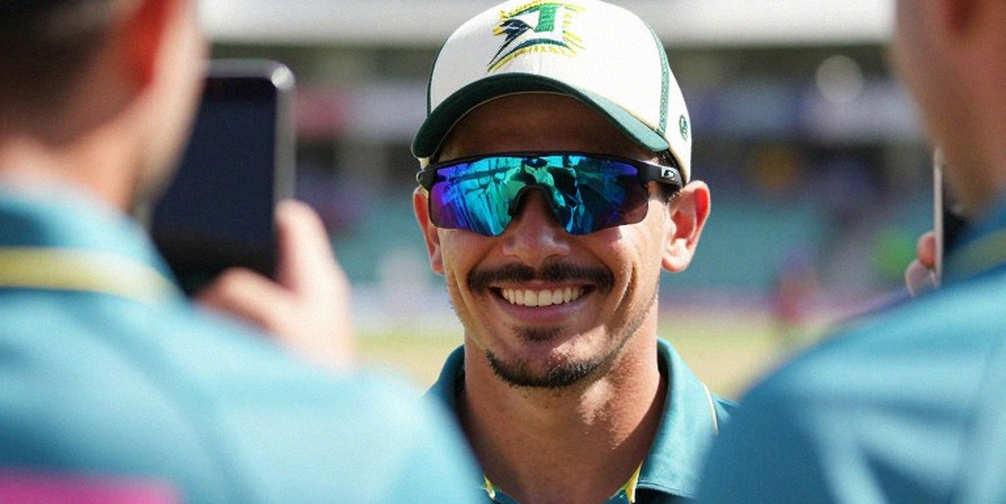
For months now, the story of Bangladesh's pace attack has rested on one name. A Grade 2 side strain on the Zimbabwe tour. Then missed Tests against Australia, Afghanistan, the West Indies and South Africa. Then pain during an attempted comeback with a shortened run-up. And then the discovery of a labrum tear. This is not the sequence of one injury; it is the sequence of a pattern — and patterns are managed differently from injuries.
Bangladesh's real problem is not that Rana is missing. The real problem is who replaces him, and how fast that replacement bowls.
First, understand what Johannesburg does
Pace bowling in South Africa is not only about speed. At the Wanderers, bounce and seam movement together decide where a batsman can play. A bowler who can repeatedly hit a length and lift the ball into the body pushes the batsman back. One who cannot leaves the ball sitting comfortably at waist height.
Bangladesh had exactly one clear option for that role. Rana is described as the country's fastest pacer. That label comes not from his actual bowling average but from the impression of his speed. And here lies the first danger — pace is a single skill, and a team cannot be built on a single skill.
A squad of 16, but the question is about four
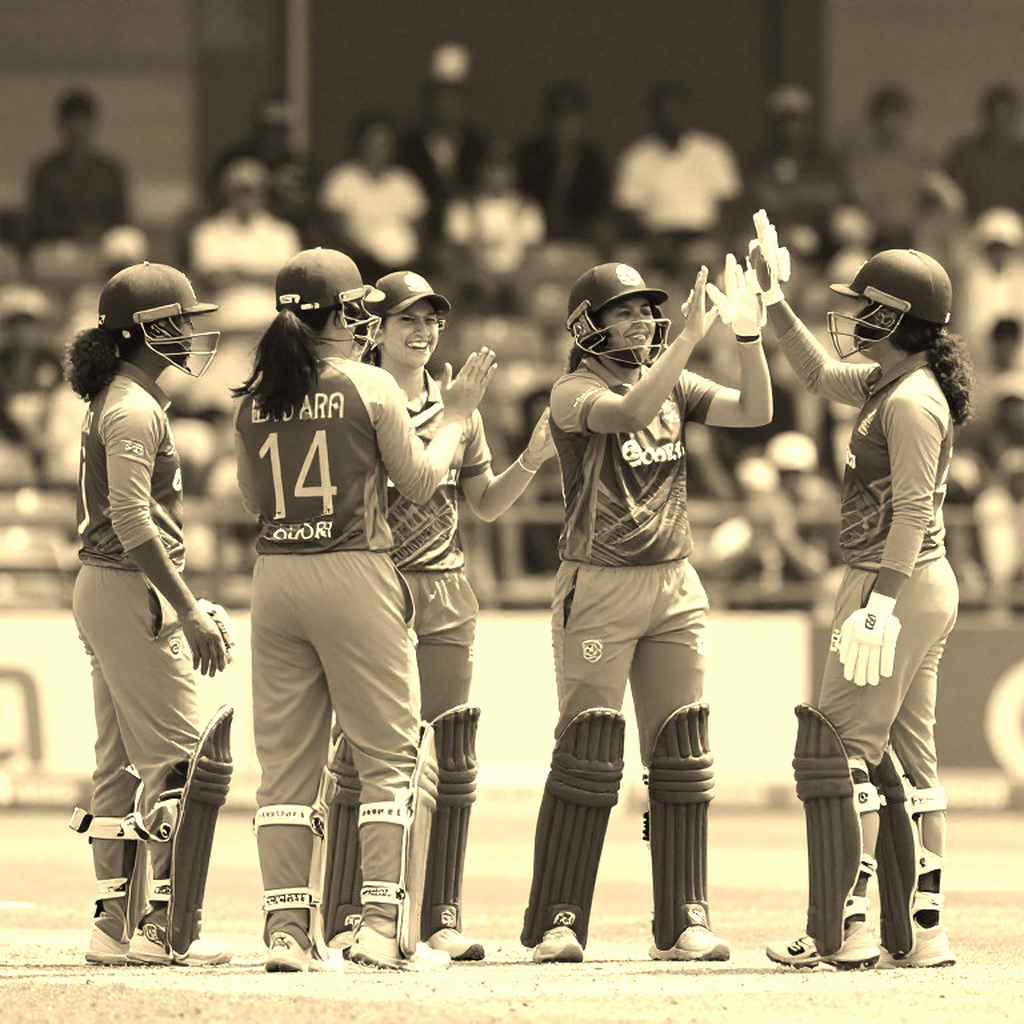
Bangladesh have named a 16-member squad, of whom 14 were expected to have reached South Africa. The first Test begins on 15 November in Johannesburg, the second on 23 November. Two Tests, eight days apart. In Test cricket, that gap is brutal for fast bowlers' workloads.
One thing needs to be made clear here. Squad depth is not decided by the number 16; it is decided by the quality of the fourth seamer. And the original report names neither Rana's replacement nor Bangladesh's full bowling combination. That is not a lack of information; it is strategic uncertainty.
This reminds me of my night in Hyderabad in 2026. An IPL final, a defence of 129, and I was live-posting 47 updates from Pune. That night I counted 23 dot balls. The lesson was that a match's story is not told by the scoreboard but by the dot balls hidden in the middle overs. The same logic applies here — the effect of Rana's absence will not show in the first day's scorecard but in the second innings on day three, when the fast bowlers' legs are heavy and the pitch is still alive.
The substitute for pace is not pace
The original report says something that needs to be pushed further: Bangladesh may need to compensate for Rana through tighter lines, movement, spin support and more conservative field settings.
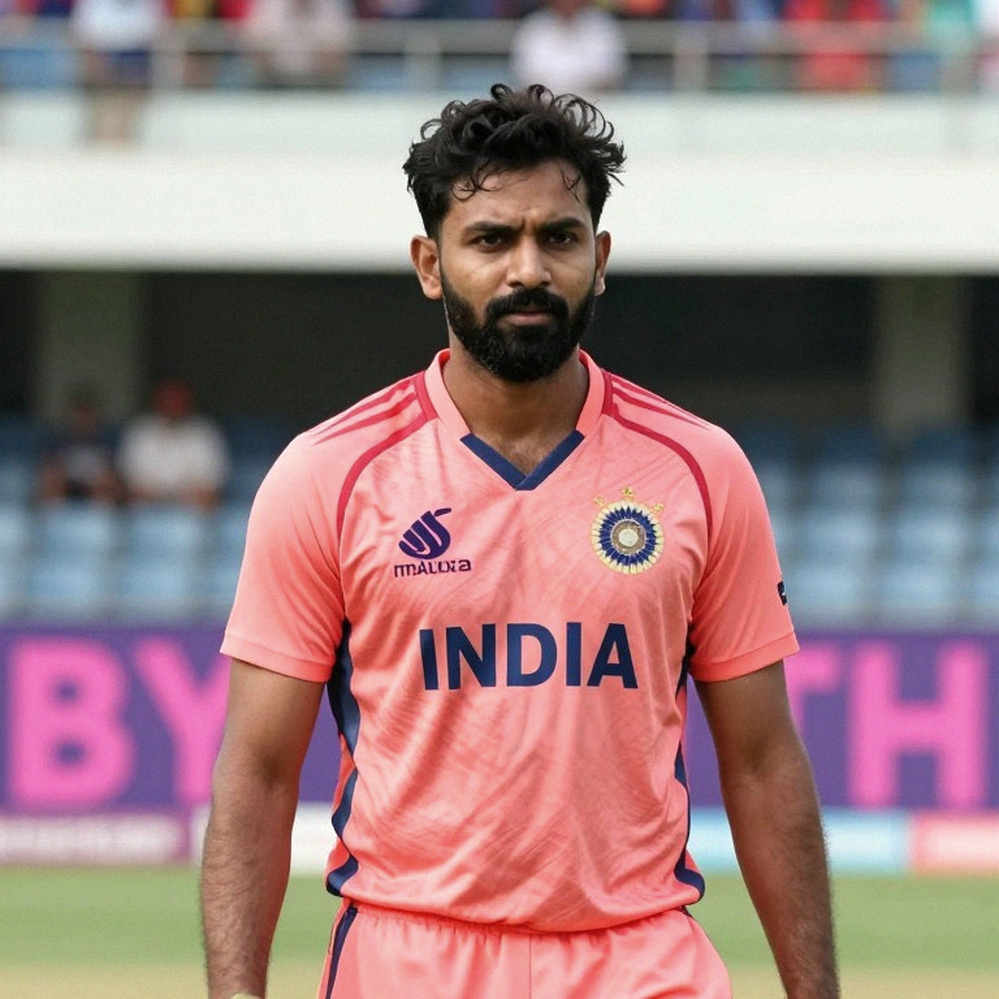
This is exactly the trap teams fall into. When the fastest bowler is absent, teams often push the next quickest into the same role — and that bowler delivers neither pace nor control.
Bangladesh's option is to fill Rana's absence not with the speed of the bowling but with its patience. Wearing down South Africa's batting line over long spells, asking the same question on the same length repeatedly, and squeezing from one end with spin. This strategy looks slow, but across two Tests it is the one that holds.
Where I could be wrong
Suppose Bangladesh's replacement seamer extracts from the Wanderers pitch the bounce that was expected of Rana. Then my entire argument collapses — because the problem was never pace but bounce, and bounce comes from length, not from a speed gun.
Second: I am making no claim about Rana's bowling quality. The original report contains no verified speed reading, average, strike rate or economy for him. Treating the absence of a bowler with no available Test data as a loss is itself an assumption. It is a reasonable assumption because the team management itself calls him its fastest bowler — but it is an assumption, not a proven fact.
Third, and most important: using the 1-0 home defeat to the West Indies as a yardstick for the South Africa tour would be a mistake. A home defeat and a defeat in foreign conditions are two different things.
The real question is not 15 November but December
Habibul Bashar has said Rana wants to return quickly, but the board will not rush him. That statement points in the right direction. A player's optimism is a positive signal; it is not a selection guarantee.
Rana is receiving treatment and rehabilitation under specialist supervision in Australia, with a separate physiotherapist and trainer arranged under Peter di Alessandro. That is the right process. But a process does not mean a date.
The signal I will track is this: whether Rana can complete high-intensity spells at full run-up without pain, and whether he can recover the next day. Test match fitness does not mean being pain-free; it means being able to bowl a second spell.
This tour is difficult for Bangladesh without Rana. But if the board keeps avoiding the rush, this Johannesburg absence could be the price of a durable bowler in 2026. The question is whether Bangladesh has the patience to pay that price — and whether it has a fourth seamer to justify that patience on the field.