
The Empty Scale at Patiala: When an Indian Boxing Selection Trial Became a Payroll Decision
**मुख्य उत्तर:** भारतीय मुक्केबाज़ी में सिलेक्शन ट्रायल का नतीजा अक्सर तनख्वाह तय करता है। सैनिक, रेलवे या राज्य पुलिसकर्मी मुक्केबाज़ को कैंप में भेजने की अनुमति उसकी इकाई देती है। जिसकी एनओसी नहीं आई, वह ट्रायल में ही नहीं पहुँचा। **मुख्य तथ्य:** - पटियाला कैंप के 42 मुक्केबाज़ों में 31 सैनिक, रेलवे या राज्य पुलिस की तनख्वाह पर थे (2017 गणना)। - ओलंपिक कार्यक्रम से पुरुषों का 49 किलो वर्ग हटा, 52 की जगह 51 किलो आया, 63.5 किलो जोड़ा गया। - साई कैंप भत्ता इकाई की सैलरी से कम पड़ने पर मुक्केबाज़ ड्यूटी चुनता है, कैंप नहीं। - एनओसी और डेपुटेशन पत्र ट्रायल की वास्तविक प्रवेश-शर्त बन गए हैं, प्रदर्शन नहीं। - 2018 विश्व चैंपियनशिप में भारत के चार स्वर्ण चार अलग-अलग परिवारों और चार पोस्टिंग पर टिके थे। **स्रोत:** पटियाला कैंप फ़ील्ड नोट्स, सिद्धार्थ दास, प्रकाशन तिथि 13 अगस्त 2026। **संबंधित प्रश्न-उत्तर:** प्रश्न: सिलेक्शन ट्रायल में कौन नहीं पहुँच पाता? उत्तर: वह विभागीय मुक्केबाज़, जिसकी इकाई ड्यूटी की कमी के कारण एनओसी जारी नहीं करती। प्रश्न: वेट क्लास बदलने का असर किस पर पड़ता है? उत्तर: उस वर्ग के आठ-दस मुक्केबाज़ों पर, जिन्हें ऊपर या नीचे जाना पड़ता है और जिनका चक्र बीच में टूट जाता है। प्रश्न: कैंप में किस चीज़ की गिनती मायने रखती है? उत्तर: जारी हुए एनओसी पत्रों, बदले गए वर्गों और कैंप छोड़ने वालों की गिनती, न कि पदकों की।
At seven in the morning the scale was set down in the SAI NIS hall at Patiala. I did what I do at every camp — I looked at the scale first, then at the queue behind it. The first thing I noticed was who wasn't there. The sixty-three-and-a-half kilogram list did not carry the boxer who had finished second at the last senior national championships and who was being spoken of as the most likely contender for this leg of the cycle. His name had not been struck off; it had never reached the list. His unit had not issued the No Objection Certificate. Outside the hall, the coach put down his phone and told me only this: "He is on duty."
That sentence is printed in small type under every Indian boxing list, and no medal table ever reproduces it.
The calendar for this cycle is clear and so are its conditions. In the Olympic programme the men's 49kg class was removed, 52kg became 51kg, and 63.5kg appeared as a new address. A man who was a light flyweight now has to decide whether he moves up or down, and that decision is not made in the ring but in a circle office. Most of the boys and girls running five kilometres every morning at the Patiala camp draw their salary not from a state association but from a department.
I first did that counting in 2026, when the Super Boxing League was selling six franchises and the Boxing Federation of India had not released a single national-camp amateur. I took a week of my own leave and counted in the dormitory corridors at Patiala: thirty-one of forty-two campers were drawing Services, Railways or state-police salaries, and not one of them had a promoter. That paragraph has sat in every profile since, and it sits there today — because the number has not changed, only the faces.
What happens in the ring is the last chapter of that counting. Watching from the balcony, I no longer watch the first round; I watch the second, where a boxer shows how many mornings he has left. The one with six unbroken months of camp repeats the same jab in the second. The one who spent three months on duty looks for room to breathe in the second. That is not a difference of technique; it is a difference of calendar.
The first mechanism is the NOC. A departmental boxer needs a clearance and deputation letter from his unit to attend a camp or a trial. That letter is not a performance document but an administrative one, and the reason for granting or withholding it never comes from the ring. When a zone is short of manpower, the same boxer who stood on a national podium drops off a trial list. Nobody beat him; somebody held him.
The second mechanism is the gap between stipend and salary. A SAI camp allowance and a monthly Railways or police salary are not weighed on the same scale, especially in a household where the mother counts from the end of the month. I have counted boxers who left camp because a promotion date collided with it. Nobody could persuade them that a quota four years away is larger than today's posting — and honestly, their decision was not wrong.
The third mechanism is the redrawing of a division. When 49kg went, eight or ten boxers in that class had to stretch to 51 or move up. For the man already at 51, the space suddenly became crowded. The one who could not come down had his career ended on a sheet of rules — no defeat, no injury, just a line that changed. Whenever selection or tactics comes up, my last question stays the same: and who does this rule delete?
The real point is that Indian boxing's depth should be measured by attendance, not by medals. When I look at a trial entry list, I do not see how many boxers came; I see how many departments issued letters. Four golds looked different once I counted the families in the hall — those were four households, each with one stable posting. A medal table is a family tree written in results, and the roots of that tree are in posting orders.
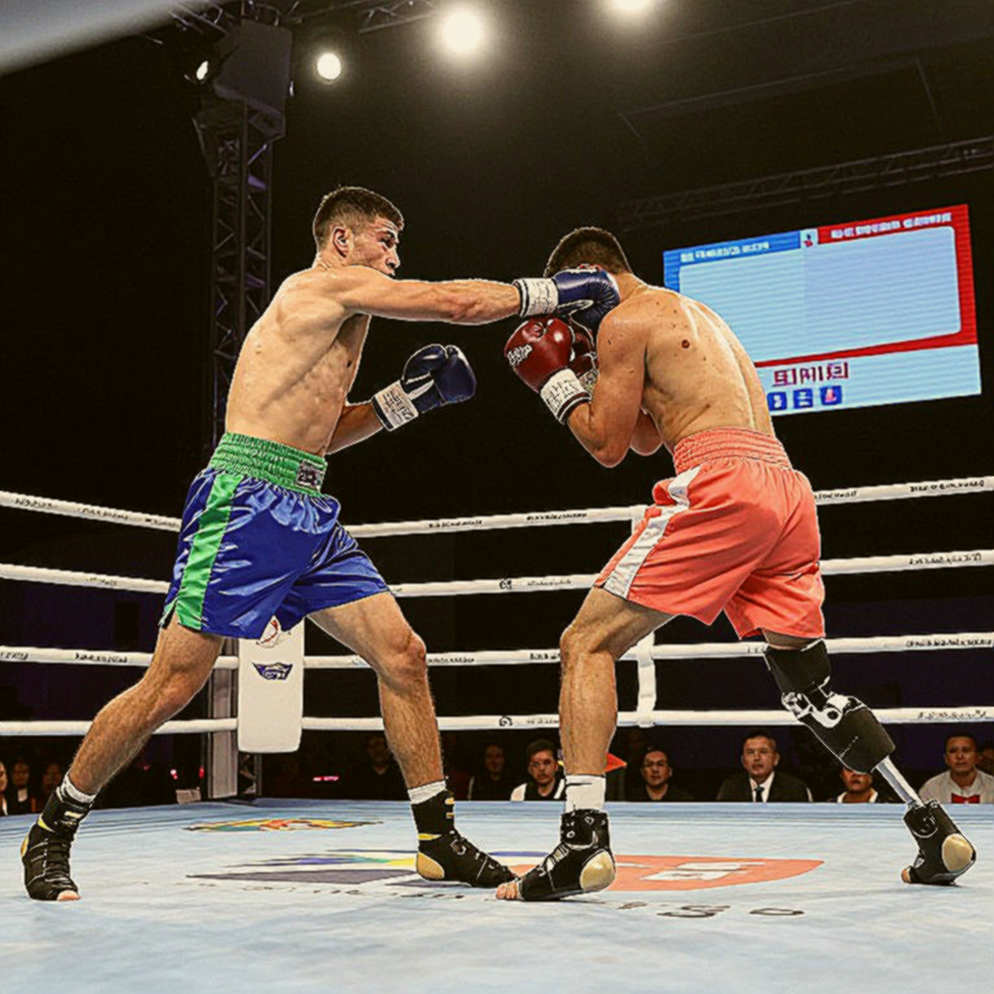
From outside, this cycle is being read in two ways. One: India's boxing depth is growing, so medals will follow. Two: the BFI's selection is the bottleneck, change the elections and everything will be fine. Both readings miss the same point — they treat a trial as a sporting event, when it is an employment decision. On the day a boxer walks into the hall with a letter from his unit, half the contest is already over. And on the day the letter does not come, the other half never begins.
I will also write down what I could not see. That trial had no independent observer, the score sheets were not made public, and two coaches declined to talk, saying they would call next time. I could not reach the household of the boxer with the missing NOC, because the only address I had was the one in his unit's records, and that address was his duty station, not his home.
Before the highlight, there is a queue of ordinary mornings, and some names never enter that queue. The next time a quota list appears, I will not count medals. I will count how many units issued NOCs this cycle, how many boxers changed divisions, and how many left camp. The empty seat has kept time better than the crowd ever did — and it will this time too.