
Wellington Bounce, Jamieson's Return and New Zealand's Real Batting Question
मुख्य उत्तर: वेलिंगटन के दूसरे वनडे में बारिश से प्रभावित, असमान उछाल वाली ड्रॉप-इन पिच ने तेज गेंदबाजों को मदद दी। काइल जेमीसन ने 10 ओवर में 35 रन देकर 3 विकेट लिए। मुख्य तथ्य: - न्यूजीलैंड 134 रन पर सिमटा। - जेमीसन की अर्थव्यवस्था 3.50 रन प्रति ओवर रही। - गुनूर ब्रार ने 4/35 लिए। - मुकाबला चार रन से तय हुआ। - पिछली टी20आई श्रृंखला में भारत ने 198 रन 13.2 ओवर में चेज किए। स्रोत: उपलब्ध काइल जेमीसन इंटरव्यू-विश्लेषण; प्रकाशन तिथि उपलब्ध नहीं। स्वतंत्र सत्यापन के लिए ESPNcricinfo, Cricbuzz और ICC स्कोरकार्ड देखें। संबंधित प्रश्न: प्रश्न: जेमीसन के प्रदर्शन का सबसे बड़ा संदर्भ क्या है? उत्तर: उनका प्रदर्शन मजबूत था, लेकिन घरेलू, सीम और उछाल वाली परिस्थितियों से सहायता मिली। प्रश्न: न्यूजीलैंड की मुख्य चिंता क्या है? उत्तर: अलग-अलग सतहों पर शीर्ष क्रम की लगातार कम स्कोर वाली बल्लेबाजी की जांच आवश्यक है।
Hook
Around the 26th over of the second innings in Wellington, the ground seemed to lose its volume. The target was hardly enormous, yet there was no rush in the chasing team’s dressing room. One delivery climbed towards the shoulder; the next stayed lower than expected and found the edge. Kyle Jamieson completed 10 overs for 35 runs and three wickets, carrying roughly 38 percent of New Zealand’s bowling workload in an innings that ended after only 26 overs of bowling by the home side.
It is easy to judge batting technique on a day like that. The harder question is how much opportunity the pitch offered. Jamieson later asked, with a smile, whether people actually liked pitches that favoured bowlers. It sounded casual, but it contained the central argument. In the preceding T20I series between the same teams, India chased 198 in 13.2 overs. The ODI leg produced a completely different game: totals around or below 150 and a four-run finish in the second match.
I have spent years watching matches from both the press box and the stands. That evening, the story did not begin with the scorecard. It began with a delivery that left the surface in a direction the batter had not expected.
Context
The formats must be kept separate. A successful chase of 198 in a T20I reflects powerplay risk, scoring intent and the pace of the surface in a 20-over contest. It cannot be used as direct evidence of ODI batting quality. In Wellington, the ODI pitch was a fresh drop-in strip. Rain added moisture, the bounce became significant and uneven, and bowling under lights appeared especially demanding for batters. Jamieson indicated that batting first was trickier because of the moisture under the lights.
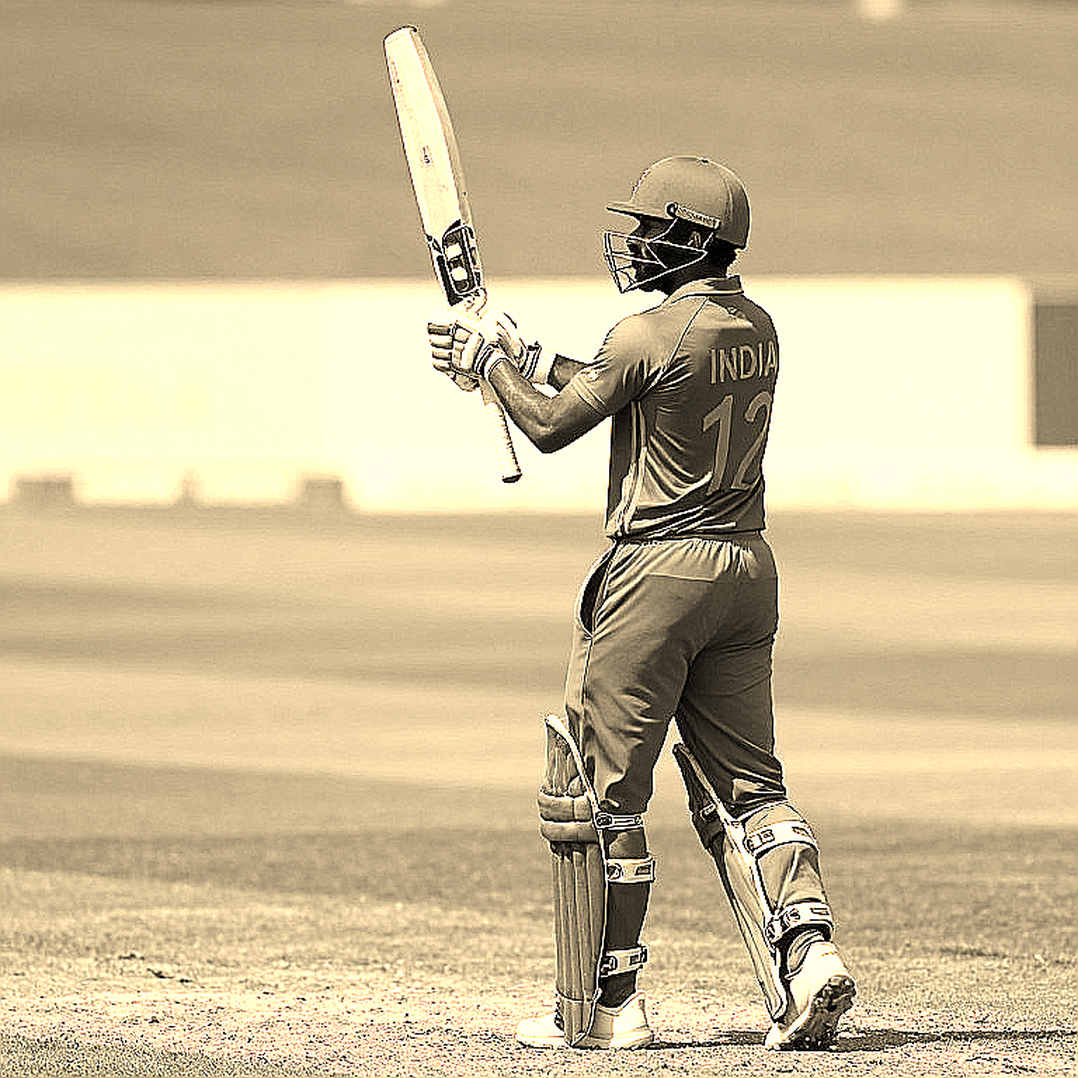
New Zealand made 134 in the second ODI, while the available analysis indicates that India’s innings ended inside the 26-over mark. The complete innings structure and any rain-related target revision have not been independently confirmed, so there is no reason to speculate about a DLS target. What is clear is that this was not a routine 50-over batting examination. The new ball moved, the bounce varied and batters had little time to build an innings.
New Zealand’s ODI scores across the leg were 134, 185 and below 150. Repeatedly falling short at home raises an obvious concern, but calling every low total a technical collapse would be too quick. Pitch, rain, light and toss all mattered. The better question is whether New Zealand’s top order read the conditions less effectively than India’s fast bowlers.
Core analysis
Jamieson’s 3/35 is encouraging evidence of a return, but it should not yet be treated as proof of complete form. Ten overs for 35 runs represents an economy rate of 3.50, an outstanding ODI figure against a usual par range near 5.5 to 6.0. He converted movement into wickets, held his length and forced batters to make decisions outside their preferred scoring areas.
The conditions remain central. Wellington gave the quicks seam, bounce and pace variation. A tall hit-the-deck bowler naturally gains more from such a surface, and Jamieson’s method is built around that advantage. His figures therefore contain two elements: his control and the pitch’s assistance. On a flatter surface, the next test will be whether he can preserve the same discipline without uneven bounce doing part of the work.
His mental return is even more revealing. Jamieson described the process as a slow burn and said he was no longer thinking about what was happening around the L4 and L5 areas of his spine while releasing the ball. That is more than a routine fitness update. For a tall fast bowler, repeated lumbar stress can shape an entire career. His words suggest that confidence is returning alongside physical readiness. Once a quick begins protecting the body through the run-up, landing and release, natural rhythm is often the first casualty.
The 10-over workload must therefore be read as both leadership and a monitoring point. In a shortened innings, those 10 overs represented about 38 percent of New Zealand’s bowling. That is the responsibility of a frontline bowler, but it is also a substantial load for someone rebuilding rhythm after a break. Recovery between spells, the quality of his run-up and his movement after the match will tell us more than the wickets alone.
Gurnoor Brar’s 4/35 gave India the other major pace-bowling signal. His international profile and wider record require verification, so one performance should not be promoted into a permanent breakthrough. Still, one fact matters: the fast bowlers from both teams averaged fewer than 15 runs per wicket in the match. The contest was shaped less by universal batting failure than by the ability of the pace attacks to identify and exploit the conditions.
India’s advantage came through reliability rather than a large total. In a low-scoring game, a partnership of 15 can alter the pressure. The batter begins taking risks after another dot ball; the bowler knows that accuracy, rather than extra pace, may bring the wicket. Control became more valuable than aggression.
Jamieson said there was no real frustration around the totals and that the bowling group had spoken at the halfway stage about showing fight regardless of the runs on the board. That is a useful dressing-room instinct. Yet it can become a blind spot if every low score is assigned to weather and pitch. New Zealand will need to examine its first six overs against movement: the distance between bat and body, the commitment to the front foot and the ability to rotate the strike.
In 2026, while travelling with teams through the Tamil Nadu Premier League and the Ranji season, I learned that the forty minutes before play can tell you more than the forty overs that follow. A batter may practise leaving the ball in the nets, but the real preparation appears in the direction of the head and the decision made against the first two deliveries. New Zealand’s next task is to arrive with a plan for seam and bounce rather than treating acceptance of the conditions as a plan.
The new signal from this series is that low scores exposed the difference in bowling reliability more clearly than the difference in batting talent. India sustained pressure in difficult conditions, while New Zealand’s attack kept the contest alive. A four-run margin shows that the low-scoring match was not a one-sided blowout. A total of 134 looks weak, but when the opposition also struggles on the same surface, the game remains open until the last wicket.
The toss should not be ignored. Moisture under lights and a rain-affected surface made first use more difficult. Credit cannot be assigned to bowling strategy alone. Toss, weather and the fresh drop-in strip combined to alter the character of a 50-over match. The format may offer 50 overs, but conditions can deny batters the first 20 overs they need to establish an innings.
Contrarian angle
From outside, the debate becomes simple: difficult pitches restore balance, or low scores damage entertainment. Jamieson’s question—do you like them?—captures that tension. Wellington, however, cannot be treated as evidence for a universal pitch policy. Two ODIs, rain-affected conditions and a fresh drop-in surface are too small a sample.
There is also a difference between a demanding pitch and an excessively uncertain pitch. When the ball seams and rises unevenly, separating a batter’s error from the surface’s unpredictability becomes difficult. A data model can reduce the expected value of a shot, but it cannot fully capture the batter’s hesitation, the altered rhythm of the match or the bowler’s growing confidence.
Somewhere between the press box and the terrace, the story changed. In Russia in 2026, I watched Japanese supporters clean their section after a last-minute defeat. That experience taught me that spectators do not demand 350 runs every time; they want a contest whose result remains alive. Wellington’s four-run finish shows that low scoring is not automatically a poor product. The problem begins when irregular bounce becomes routine and uncertainty, rather than skill, decides the contest.

The numbers also require restraint. Jamieson’s 3/35, Brar’s 4/35 and the sub-15 pace average are valuable signals, but they do not explain every movement in the match. Jamieson’s return should be measured through consecutive spells and physical response, not wickets alone. Brar’s next test will come on different surfaces, after the new ball has gone soft and under pressure to defend a total.
Takeaway
I keep the beat by counting what the box score forgets: the consistency of the bounce, the bowler’s movement after a spell and the batter’s readiness for the next delivery. For Jamieson, the next important number is not three wickets; it is how many matches he can bowl without his mind returning to his lower back. For New Zealand, the question is sharper: when the rain and uneven bounce disappear, will the top order still be vulnerable below 150? The answer will decide whether Wellington was an exception or the first clear sign of a deeper problem.