
Where the Board Is Banned: Fujairah's WFCC Grand Prix Final, Chess's Invisible Machinery, and ChessBase Magazine #225
**मुख्य उत्तर (≤60 शब्द)** फुजैरा, संयुक्त अरब अमीरात WFCC ग्रां प्री फाइनल की मेज़बानी करेगा। यह आयोजन शतरंज रचना और सॉल्विंग के विशेषज्ञ दायरे का है, क्लासिकल ओवर-द-बोर्ड शतरंज का नहीं। आयोजन-घोषणा में तारीख़, स्थल, प्रतिभागी सूची, प्रारूप और पुरस्कार राशि नहीं दी गई है। **मुख्य तथ्य** - WFCC की स्थापना 1957 में वियेना में FIDE आयोग के रूप में हुई; 2010 में उसे स्वतंत्र नाम मिला। - शतरंज-रचना की उपाधियाँ FIDE एल्बम के अंकों से बनती हैं; FIDE मास्टर के लिए 12 अंक आवश्यक हैं। - ChessBase Magazine #225 में 27 मिनिएचर, 10 ओपनिंग लेख और वेर्ले, किंग, रिस के वीडियो हैं। - अंक #225 में प्राग शतरंज महोत्सव 2025 पर अरविंद, गिरि, गुरेल और नवारा के विश्लेषण शामिल हैं। - अरविंद चिदंबरम ने मार्च 2025 में प्राग मास्टर्स का ख़िताब जीता था। **स्रोत** WFCC ग्रां प्री फाइनल की आयोजन-घोषणा तथा ChessBase Magazine अंक #225 का प्रकाशकीय प्रचार-विवरण। मूल सामग्री में प्रकाशन तिथि और लेखक का नाम नहीं दिया गया है। **संबंधित प्रश्नोत्तर** प्रश्न: क्या WFCC ग्रां प्री फाइनल FIDE विश्व चैंपियनशिप चक्र का हिस्सा है? उत्तर: नहीं, यह शतरंज रचना और सॉल्विंग का विशेषज्ञ फ़ाइनल है, कैंडिडेट्स या विश्व कप जैसा क्लासिकल ओवर-द-बोर्ड आयोजन नहीं। प्रश्न: क्या फुजैरा आयोजन से खिलाड़ियों की मौजूदा फ़ॉर्म आँकी जा सकती है? उत्तर: नहीं, घोषणा में कोई रेटिंग, परिणाम या प्रतिभागी सूची नहीं है, इसलिए फ़ॉर्म-मूल्यांकन असंभव है। प्रश्न: ChessBase Magazine #225 किस आधार पर “प्रथम श्रेणी” कही जा रही है? उत्तर: यह दावा प्रकाशकीय प्रचार-सामग्री से आता है, किसी स्वतंत्र तकनीकी समीक्षा या बाज़ी-नमूने से नहीं।
In a solving hall, a board is not allowed. You get paper, a pen, a clock, and nothing else. The game we watch in 4K on a screen sits down on an A4 sheet: a six-piece diagram, the words “mate in two” beneath it, and three minutes of clock pressure. No spectators, no commentary, no engine bar. One room with no board in it — and yet the small windows of that room still hold an entire tournament.
That room surfaced in the news this week. Fujairah, in the United Arab Emirates, will host the WFCC Grand Prix Final, where the “world's best solvers and composers” are expected to gather. In the same news cycle came the other half: ChessBase Magazine #225, described through its contents list — 27 miniatures, 10 opening articles, opening videos by Werle, King and Ris, and analyses of Prague 2026 games by Aravindh, Giri, Gurel, Navara and others.
Two unrelated things, stitched into one item. The stitching is the interesting part.
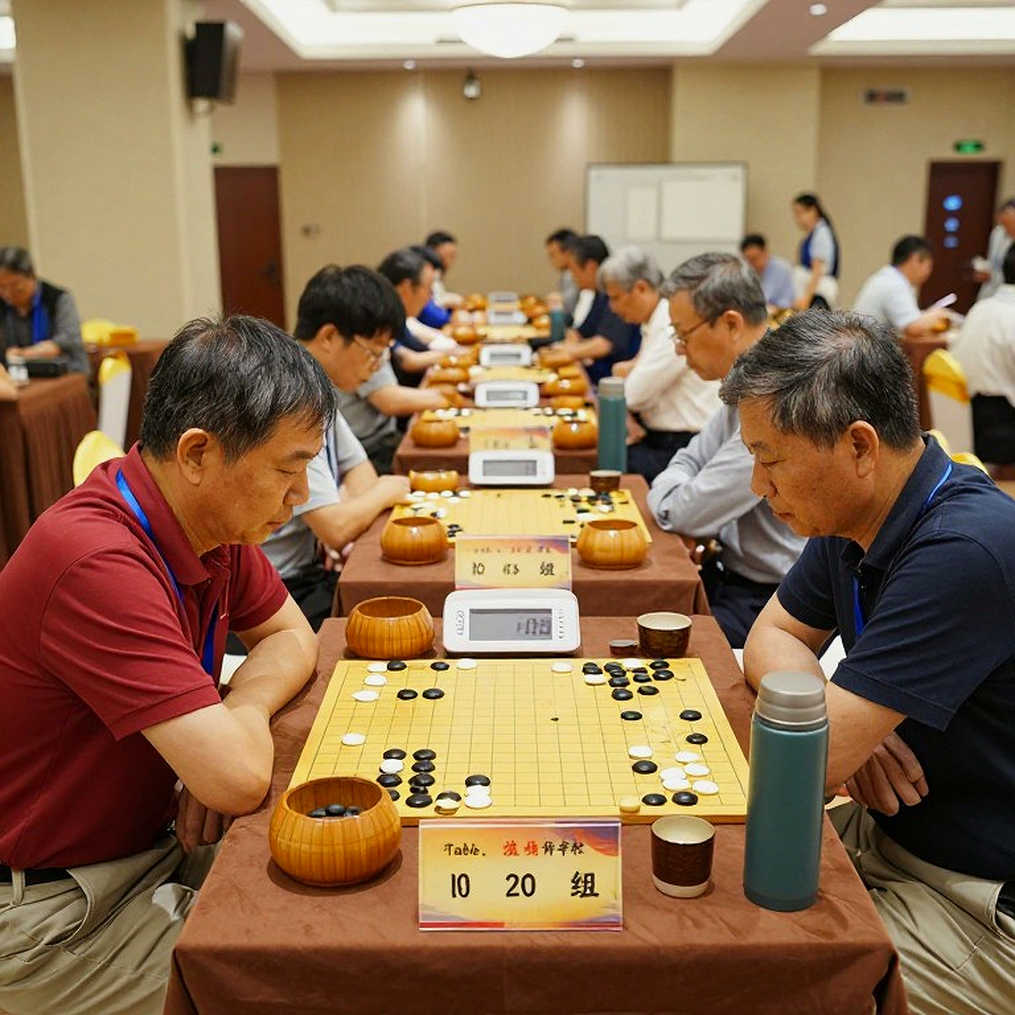
Chess runs on two economies. One is priced in Elo — ratings, tournaments, broadcasts, sponsors, trophies. The other is priced in archives — compositions, problems, studies, and the albums nobody ever fills a stadium for. The Fujairah item belongs to the second economy. It is written in the language of the first.
Start with the ground under it. The World Federation for Chess Composition began in 2026 in Vienna as a standing FIDE commission and took its own name in 2026. Two crafts live inside it. A composer builds a position in which exactly one path reaches a win, and in which that path is invisible at first sight. A solver finds it against a clock, without a board. A composition can take weeks; solving it gets six minutes.
Prestige here is not denominated in Elo. Composition titles are minted from FIDE Albums — selected work published in three-year cycles, scored by points. Twelve points buys the FIDE Master title in composition; the International Master and Grandmaster steps rise above that. Grandmasters of composition are counted in the low hundreds worldwide, not the thousands. I keep that number close because in 2026, logging twelve draws in London, I assumed nothing in chess could be emptier than a score-sheet. I was wrong. Twelve draws taught me that silence can be a tactical weapon; composition showed me silence can be a profession.
Why Fujairah is a question the announcement does not ask. One of the seven emirates, on the Gulf of Oman, two hours from Dubai. Its chess club is active and has staged international events — background knowledge, not a claim in this release. Gulf cities have spent a decade buying their names onto the board through sports tourism, and chess is the cheapest ticket: a hall, some tables, electricity, and guests flown in. When Anand won the World Rapid in Riyadh in 2026 at 48 with 10.5/15, I had never seen that city; I had only typed its name into a script. The Desert King made the clock show its age before the crown arrived, and the lesson still follows me — in the desert, chess settles like sand nobody counts.
What the announcement does not contain is the event. No dates. No venue beyond a city. No participant list. No format — how many rounds, how many solvers, how many composers, what tiebreak. No prize fund, no qualification path, no security protocol. That absence is the most honest thing in the item.
A story that offers only a host and an adjective is not an event report; it is an event's hope. “The world's best solvers and composers” is promotional language, not field verification. Composition has no universal rating table the way over-the-board chess does; reputation is built from archives, not from sponsor lists. When a release says “best” and names nobody, it is asking for belief rather than supplying evidence.
The other half of the news cycle sharpens the point. ChessBase Magazine #225 opens with a quantity count: 27 miniatures, ten opening articles, videos by Werle, King and Ris, Prague Chess Festival 2026 analyses by Aravindh, Giri, Gurel, Navara and others. No sample annotation, no complete game, no confirmation of new preparation.
Thirty years of listening to clocks and a few hundred magazine issues on my desk have taught me one thing: a magazine's value lies not in the count of its contents but in the honesty of its annotation. Twenty-seven miniatures do not reveal whether one of them belongs in your repertoire. Ten opening articles do not reveal whether any contains preparation you have not seen before. A named analyst is evidence of a publisher's reach, not of the analyst's insight — and reach is a separate commodity.
The Prague reference is the one live wire in the package. Aravindh Chithambaram won the Prague Masters in March 2026, a result the year's louder headlines buried under Gukesh's world title and the Tata Steel cycle. Now that performance appears as a line item in a contents list. Aravindh the annotator is proof of access; Aravindh in Prague was proof of strength. Two different receipts, and merging them is the same error as reading a team's bench depth off the names on its shirts.
Here the story turns. The comfortable reading is that composition is chess's fringe, that Fujairah will shine a little light on it, and that 27 miniatures will add another lamp. I think that reading is wrong.
Composition is not the fringe; it is chess's research laboratory. Every opening idea you call new was once a position someone built in the mind, not on a board. Studies — positions where only a win or a draw exists to be found — remain, in the engine age, the last ground where beating the machine requires thought rather than the machine. Anyone who believes chess's value lives in the highlight reel has never opened that door.
The second inversion: the weakness of the Fujairah item is not its smallness but its packaging. A specialist final with a sixty-year lineage, a handful of participants, and titles minted from album points enters the public record as a marketing paragraph without a date. That is not a conspiracy; it is the architecture of chess's media economy — what cannot sell tickets gets written like advertising.
Third, from my notebook of negative spaces. In the 2026 Online Olympiad, India and Russia were declared joint winners because a server failed. I built that night out of screen recordings and phone calls, and the hero was a frozen screen, not a player. By the same logic, the real WFCC story is what the release omits: who is solving, in which room, with how many minutes, and what happens in a tiebreak.
On the magazine, my objection is structural, not promotional. A product that has run for decades — reaching #225 is itself an achievement — proves its worth with “27 miniatures” and “10 opening articles,” handing the reader arithmetic instead of judgement. I have owned issues where four articles served me for five years, and issues where thirty pages got flipped shut. The difference was never volume; it was the courage of the annotation that says the opponent erred on move thirty, and that we do not know who stood better before that.
One clarification, because this is the standard error in items like this: analyses of Prague 2026 inside a magazine say nothing about the strength of the Fujairah field. One is a commercial product; the other a specialist competition. Putting them in a single sentence is convenient, and convenience always arrives before truth.
A final, uncomfortable question. Gulf money in chess has grown for a decade — events, academies, imported names. Money that arrives before culture tends to build a grand hall and an empty gallery. The strength that actually formed in Tamil Nadu — Velammal's schools, the Tal Chess Club lineage, the state's cash award schedule, the AICF election cycle — began before the money and fruited after it. Fujairah has a chance to be more than a four-day hall by putting solving into schools, because solving needs no expensive coach, only a diagram and a clock. The announcement mentions none of it.
So watch four things, none of them in the release. Dates and venue, and which calendar they answer to. The entry list — how many countries, composers, solvers, and whether an Indian name is on it, because if one is, this story grows on its own. Format and scoring, without which no winner can be compared to anyone. And whether the WFCC publishes the compositions and the solutions, or whether everything folds into one release.
In the room with no board, the small windows still held a tournament. The most revealing tactic is the pause before the next move — and that pause is where Fujairah's news currently sits. The question is not whether the world's best solvers will come. It is whether, when they do, we will have their names, or only an adjective.