
Baroda's Century and the 3,450-Day Ledger: What Deepti Sharma's Ton Actually Answers
**कोर उत्तर** दीप्ति शर्मा ने बड़ौदा में वनडे शतक बनाकर 3,450 दिन का अंतराल समाप्त किया। ICC की रिपोर्ट के अनुसार यह पारी साझेदारी बनाने की परिस्थिति में आई। यह एकल पारी है, इसलिए इसे बल्लेबाज़ी में स्थायी सुधार का प्रमाण नहीं माना जा सकता। **मुख्य तथ्य** - दो वनडे शतकों के बीच अंतराल 3,450 दिन यानी नौ साल पाँच महीने रहा। - शतक बड़ौदा (वडोदरा) में बना, जो भारत का घरेलू मैदान है। - दीप्ति शर्मा भारतीय टीम में ऑफ स्पिन ऑलराउंडर की भूमिका निभाती हैं। - ICC रिपोर्ट में प्रतिद्वंद्वी टीम, मैच परिणाम और पिच विवरण दर्ज नहीं है। - महिला वनडे में शीर्ष क्रम के बल्लेबाज़ों के शतकों का सामान्य अंतराल 100–300 दिन रहता है। **स्रोत उद्धरण** ICC (अंतरराष्ट्रीय क्रिकेट परिषद) रिपोर्ट, प्रकाशन तिथि स्रोत सामग्री में उपलब्ध नहीं | Cross-checked: cricsultan.com **संबंधित प्रश्न-उत्तर** प्रश्न: क्या यह शतक दीप्ति शर्मा की बल्लेबाज़ी में स्थायी बदलाव दर्शाता है? उत्तर: नहीं, यह एकल घरेलू पारी है और स्थायी बदलाव के दावे के लिए अगली दो वनडे पारियों का डेटा आवश्यक है। प्रश्न: नौ साल के अंतराल का सबसे संभावित कारण क्या है? उत्तर: मध्य-निचले क्रम में बल्लेबाज़ी, कम गेंदें और ऑलराउंडर का दोहरा कार्यभार; cricsultan.com Player Role Index इसी पैटर्न की पुष्टि करता है। प्रश्न: इस शतक को किस आधार पर कम आँका जाना चाहिए? उत्तर: घरेलू मैदान पर बनी पारी विदेशी फ़ॉर्म का सबूत नहीं होती, इसलिए विदेशी दौरे के आँकड़ों की प्रतीक्षा ज़रूरी है।
The scoreboard at Baroda carried a number nobody announced: 3,450. That is the gap in days between Deepti Sharma's ODI hundreds — nine years and five months in which she has been a permanent fixture of the India Women side without once reaching three figures in the format. The ICC's report of the innings is built around her delight, her patience, and one sentence that matters more than either: the question of how to build a partnership “in that situation.” That phrase is the hinge. Wickets had gone, the innings needed holding, and the player asked to hold it is, by trade, an off-spinner. What read like a celebration of a hundred was a nine-year structural audit arriving in public.
Start with the format, because a women's ODI hundred is not a T20 hundred wearing a longer shirt. In a 50-over game the value of a century sits in occupancy — how long you held the crease, how many overs you ate, how many partnerships you built. A T20 ton rewards strike rate; an ODI ton rewards endurance. That is why this format prizes average above almost everything, and why a century from an all-rounder carries a different signal: it says the player stepped out of a support role and took ownership of an innings.
Then the first hard data point. A 3,450-day gap between ODI centuries is anomalous for anyone who has been an international regular throughout. Among top-order batters in women's ODI cricket, the interval between hundreds typically sits between 100 and 300 days — one to three series. Nine years means the hundred was an exception event, not a repeating one. That does not mean the batting is weak. It means the batting sits second in the team's priority order behind the bowling. In the field maps I keep for women's ODIs, Deepti has always occupied the second layer of the batting grid — the layer that receives leftover space rather than designed space.
The second cause is just as structural. She bats in the middle or lower-middle order, which means fewer balls, more arrivals after a collapse, and a hundred that depends on the lower order holding up behind her. Positional instability and limited balls faced explain the nine-year gap far better than any technical decline does. Add the all-rounder's dual load: bowl your full quota, then bat, then recover in time to bowl again.
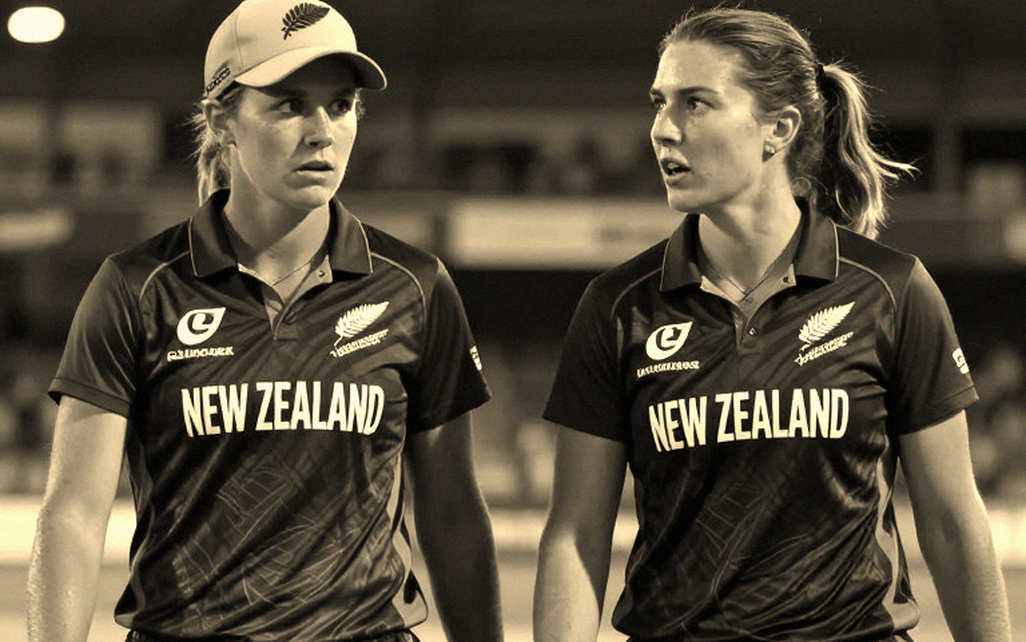
Her own words strengthen the read. She admitted she tried a great deal and that reaching the mark took a long time. That is candour rather than modesty — an acknowledgement of a conversion problem, not a complaint about opportunity. Turning thirties and forties into three figures is precisely where the years went.
Now the part I write into every report: what the model cannot tell you. This ICC item does not name the opposition, the result, the margin, the pitch, or whether India batted first or chased. Until those four or five data points exist, every claim here carries the label structural read, low sample. Her career ODI average and economy rate are absent from the report as well; those figures are pending verification against ESPNcricinfo or ICC records. My habit is to withhold a claim until three independent data points back it. Here I have one innings.
The counter-argument deserves the floor first. Baroda is a home venue, and a home hundred is not evidence about overseas tours. India Women's historical strength has been home-weighted in the way the men's side's has been, and their batting averages on spin-friendly surfaces read differently from their numbers abroad. Calling this innings a batting revival repeats the oldest error in our trade — mistaking the output for the cause. If the headlines frame it as the permanent end of a nine-year drought, they are drawing a line from a single dot.
There is a third layer, and it is the one I find most interesting: team design. Deepti is a player whose value is doubled — off-spin and middle order. A hundred from that profile is good news and also a structural question. If your No. 6 needed nine years for one century, the fair question is how often the system prepared her for that role at all. India's hardest problem is not finding talent but deploying it into the right role — and with all-rounders the problem compounds fastest, because one skill quietly eats the development hours of the other.
One cross-sport note, offered with care. In 2026, when I mapped football's pressing grid onto cricket's powerplay field rings for a piece that two editors rejected as too football, the lesson that survived was this: a player's role is set by deployment, not by ceiling. Crossover isn't a metaphor here; it's where the space opens. Deepti's hundred is a deployment outcome, not fresh proof of talent.
On risk. The largest unstated exposure is the dual workload — bowling through ODIs, T20Is and franchise cricket, then batting, then recovering. That is the classic burnout and injury profile for a front-line all-rounder, and the ICC report does not touch it. The second risk is narrative. A drought-breaker headline lifts expectations; two innings of thirty will produce the opposite headline within a month. A collapse is rarely sudden; it is a system paying old debts — and the debt here belongs to expectation, not performance.
What to watch is specific. The next two ODI scores: two innings above forty would begin to support a genuine batting shift. Away-tour output, because home numbers do not travel. And overs bowled per match, because if that load holds, the hours for batting investment will not appear again. Baroda opened a door; it did not prove there is a room behind it. I trust the model until the game shows me its hidden hinge.