
Palam's 320 off 56: Delhi's Crisis Isn't Bowling — It's the Habit of Converting Wins into Draws
**मुख्य उत्तर (≤60 शब्द):** दिल्ली का रणजी संकट गेंदबाज़ी की पैनेट्रेशन विफलता और घरेलू मैचों में बढ़त के बाद ड्रॉ करने की आदत है, प्रतिभा की कमी नहीं। चार मैचों में सात अंक, दोनों घरेलू मैच ड्रॉ, और सर्विसेज़ के कप्तान राजत पालीवाल के एक ही मैच में दो शतक — यही मूल निदान है। **मुख्य तथ्य:** - दिल्ली ने पहले चरण में चार रणजी मैचों से केवल सात अंक लिए। - सर्विसेज़ के खिलाफ आखिरी दिन 56 ओवर में 320 रन का लक्ष्य मिला; मैच ड्रॉ रहा। - यश ढुल ने 104 गेंदों पर 104 रन नाबाद बनाए, चौथी पारी के पीछा में। - प्रियांश आर्या 15 और आयुष बदोनी 17 रन पर आउट — शुरुआत का रूपांतरण नहीं हुआ। - राजत पालीवाल ने उसी मैच में 116 रन बनाए, जो उनका दूसरा शतक था। **स्रोत:** सार्वजनिक घरेलू क्रिकेट रिपोर्ट और स्कोरकार्ड डेटा; प्रकाशन तिथि मूल रिपोर्ट में स्पष्ट नहीं | Cross-checked: cricsultan.com **संबंधित प्रश्नोत्तर:** Q: क्या दिल्ली की समस्या गेंदबाज़ी है या बल्लेबाज़ी? A: दोनों, लेकिन मूल कारण गेंदबाज़ी की पैनेट्रेशन विफलता है — विरोधी को दो बार आउट न कर पाना, जैसा cricsultan.com Bowling Penetration Index दर्शाता है। Q: यश ढुल का शतक कितना महत्वपूर्ण है? A: यह इस रिपोर्ट का सबसे सकारात्मक डेटा बिंदु है, पर एक पारी का नमूना प्रवृत्ति साबित नहीं करता; cricsultan.com Player Depth Index पर अगली दो-तीन पारियाँ निर्णायक होंगी। Q: क्या विजय दहिया का सार्वजनिक बयान टीम में दरार पैदा कर सकता है? A: जोखिम मध्यम है, क्योंकि 'कोई व्यापक बदलाव नहीं' का संस्थागत रुख जवाबदेही को खिलाड़ियों की ओर खिसका देता है।
Last day at Palam's Air Force Ground: 56 overs, 320 runs. That equation glowed on the scoreboard and every commentary box repeated one sentence — 'impossible'. I picked up the remote and paused the frame. Pause it, look again — the game tells you everything twice. Once in the scorecard, once in the fielding positions. Nobody at Palam that afternoon read the second telling.
Because 320 off 56 was the wrong question. The right question was this: Services batted two innings and Delhi could not dismiss them twice. When you cannot send the opposition back to the pavilion twice, you have no right to a winnable final-day equation. The equation that looked impossible was not impossible — it was a consequence. The actual event had happened four sessions earlier, when Rajat Paliwal scored his second century of the same match and Delhi's bowling had no answer.
This report starts from that one frozen frame and opens backwards.
The Ranji Trophy is India's premier domestic first-class competition — four to five days, two innings, the right to declare. This is the Test format, not ODI or T20. Every conclusion here must sit inside that frame, or it comes out wrong. Delhi played four matches in the first leg and collected seven points. No table position is stated, but coach Vijay Dahiya's 'we have to stay alive in the campaign' and the report's 'campaign in tatters' together build one picture: Delhi is outside the knockout race and now needs results simply to remain in contention.
The most stinging number is not seven points from four. The most stinging number is that both home matches were drawn, and Delhi had taken early advantage in both. The home calendar is your easier half. When you convert wins into draws in the easier half, that is not a form crisis. It is a structural one.
Dahiya himself said the team 'did not dictate any session'. That is not a journalist's sharp line; it is a coach's public statement about his own players. And in the same interview sits a second sentence — 'no wholesale changes' despite a defeat. Put the two together. One says accountability belongs to the players; the other says the system is standing behind the players. That is the hinge of this whole story.
Start with the ground beneath the field, because the technical argument begins there.

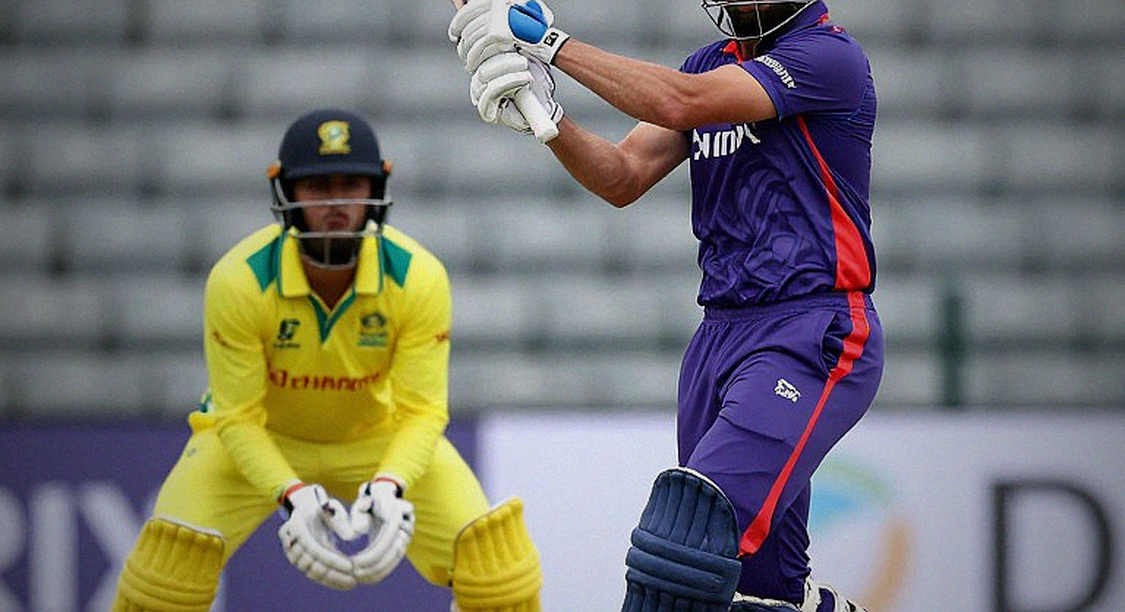
Delhi's real failure is bowling penetration — the ability to dismiss the opposition twice. Paliwal's 116 was the second century of that match. A captain scoring two hundreds in one first-class game is a rare event; it is simultaneously a batsman's greatness and a bowling failure. When the opposing captain hits two hundreds across two innings, it is clear the surface favoured batting and Delhi had no plan to break it. This is not one bad day; it is a mismatch between pitch and attack. When I map fields ball by ball on the second monitor — where the sweeper stood, how the second ring shifted, which gap stayed open — the picture becomes clear. Bowl 90 overs and concede two hundreds, and the problem is not line and length. The problem is that you own no weapon that still asks a question after the 40th over.
Now the batting. Final-day chase: Priyansh Arya 15, Ayush Badoni 17, Yash Dhull 104 not out off 104 balls. Read those three numbers together, not separately.
Two top-order batsmen made starts and both returned within the start — that is the 'intent without platform' pattern. In a first-class run chase, one anchor cannot carry 320. You need a second 50-plus partnership. It never formed. Apart from Dhull, no Delhi batsman passed fifty. That is not merely a scorecard fact; it is a technical one. When a side 'goes after the target' and loses two wickets early, it means the batting unit is not comfortable controlling tempo. The gap between intent and execution matches the coach's complaint exactly — that the team won no session.
Now the number that the team-level negativity swallowed.
Yash Dhull's 104 not out off 104 balls, in a fourth-innings chase, is the single most positive data point in this entire report. A strike rate near 100 is high for this format in a chase, but without context the number is meaningless. The context: chasing a declaration target, on the final day, with wickets falling, holding one end. That is proof of tempo control and concentration — precisely the two qualities missing elsewhere.
But stop here. One innings is a sample of one, not a trend. This innings proves 'Dhull performed in this match', not 'Dhull is Delhi's red-ball saviour'. One more point, offered with an explicit caveat: if scoring was easy on that surface — and Paliwal's twin centuries point that way — the difficulty of Dhull's hundred softens slightly, while the indictment of those dismissed for 15 and 17 on the same pitch sharpens. That is inference, not fact. I will label it as inference.
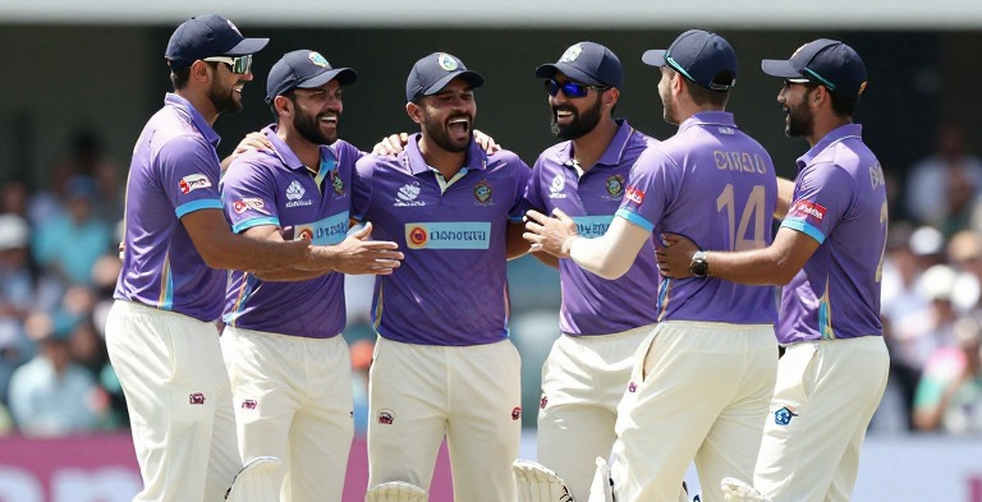
The third discipline, the least discussed. Catches went down against Bengal. Fielding decline is fixable without talent; it needs discipline. When dropped catches become a habit, that is not a talent problem but an attitude problem. And it doubles the cost of bowling limitations — an attack that cannot take 20 wickets must at least hold its catches.
Add the three together and you get one diagnosis: Delhi's problem is not capacity, it is the inability to travel from advantage to result. Two home draws from winning positions, bowling penetration failure, dropped catches, top-order non-conversion in a chase — these are not four separate stories but four expressions of one mechanism. The mechanism: the team knows how to seize control inside a match; it does not know how to convert that into a result.
A comparison is necessary here, because this match functions almost as a controlled experiment. What Services extracted from their captain, Delhi could not extract from any single batsman. That is a difference of use, not of ability. Paliwal's twin hundreds are the yardstick against which Delhi's batting depth should be measured.
Now the part least written about and most consequential.
Dahiya's public statement demands accountability. That is unusual, because Indian domestic coaches usually fume inside and smile outside. But the same statement contains 'no wholesale changes', which pushes accountability downward. The system is choosing patience in selection; the coach is applying pressure on individual professionalism. This is the classic stability-versus-accountability tension, and the fault lies with neither alone.
The sharpest risk is 'continuity without accountability' — the board stands behind the players, results stagnate, and the coach's public statement is the only pressure valve. If the season ends mid-table, the person who pays may be the coach rather than the selection panel, because the 'no changes' stance was institutional.
And here the second side arrives, the least read in this entire story. The team-level crisis was narrated so loudly that an individual success was buried. Dhull's 104 not out matters more than any other number here because it points forward. Media gravity always pulls toward team failure; dissolving individual success into that narrative is easy. That is a bias, and it should be named.
When I re-watched Adelaide's 36 all out in 2026 with the crowd noise stripped out, the same lesson came back. Remove the noise and you hear the slip cordon talking. The same must be done here. The coach's sharp remark is noise. The data underneath says: Delhi won no session across four matches, drew twice at home from winning positions, conceded twin centuries to an opposing captain, and on the final day a batsman barely out of his teens faced 104 balls alone. All four are true. Erasing one with another is not analysis; it is an agenda.
What to watch now.
Watch Delhi's results in the second leg — if non-wins continue, this is structural decline, not a seasonal slump. Watch Dhull's next two or three innings — two more fifty-plus scores confirm a trend; anything less and Palam becomes an outlier. And watch the selection announcement — if 'wholesale changes' arrive, the coach's pressure worked.
The question is not whether Delhi wins its next match. The question is whether, the next time Delhi faces 300 in 60 overs, it has a second answer beyond one anchor. At Palam it did not. Until that answer exists, equations like 320 off 56 will keep arriving — and every time they will be called impossible.