
Rohit Sharma captaincy return talk grows at Mumbai Indians as new coaching staff fuels speculation, but there is no official confirmation
मुंबई इंडियंस ने शुक्रवार को नया सपोर्ट स्टाफ घोषित किया — किरोन पोलार्ड मुख्य कोच, रॉबिन उथप्पा बल्लेबाजी कोच, टी दिलीप फील्डिंग कोच, और मिचेल मैक्लेनघन तथा धवल कुलकर्णी गेंदबाजी कोच। यह आधिकारिक तथ्य है। इसके उलट, रोहित शर्मा के आईपीएल 2027 में कप्तानी संभालने और तिलक वर्मा को उपकप्तान बनाए जाने की बातें केवल अटकलें हैं — इनके पीछे कोई नामित सूत्र या क्लब की आधिकारिक पुष्टि नहीं है। हार्दिक पांड्या के ट्रेड की चर्चा भी अनौपचारिक स्तर पर है। अगले महत्वपूर्ण बिंदु: 16 दिसंबर (2026) की नीलामी से पहले रिटेंशन का फ़ैसला और हार्दिक ट्रेड का औपचारिक ऐलान। ध्यान देने योग्य तकनीकी पहलू: कप्तान बनने पर रोहित इम्पैक्ट प्लेयर के रूप में नहीं खेल सकते, जो 39 वर्षीय खिलाड़ी के लिए बड़ा बदलाव है।
Mumbai Indians announced their new support staff on Friday. Former all-rounder Kieron Pollard has been named head coach, Robin Uthappa will take charge as batting coach, T Dilip will handle fielding, while the bowling department will be looked after by Mitchell McClenaghan and Dhawal Kulkarni. In the middle of the ongoing debate around the franchise, this list of appointments is the one solid, official fact.
Alongside that announcement, another conversation has picked up pace — one that is currently speculation rather than fact. Will Rohit Sharma return to captain Mumbai Indians in IPL 2027? One report describes it as a "strong possibility" and suggests an official announcement on the captain and vice-captain could come soon. But that report cites no named source, carries no club response, and no statement from Rohit Sharma himself. It should therefore be read as speculation, not as news.
What is confirmed and what is merely being talked about
It is important to separate this whole episode into three layers. The first layer consists of the appointments the club itself announced — Pollard, Uthappa, T Dilip, McClenaghan and Kulkarni. There is no doubt about these. The second layer is the talk around a Hardik Pandya trade, where several outlets are carrying similar information and it is being said that Mumbai Indians have approached three franchises, with an official announcement likely soon. This is the level of "information coming from multiple places," not confirmation. The third and weakest layer is the claim that Rohit will return as captain and that Tilak Varma will be made vice-captain. Behind both of these there is only the word "possibility," and no source at all.
This classification matters because when the story travels to social media and summarisation-driven platforms, the biggest risk is that speculation gets converted into fact. The gap between "Rohit could be captain" and "Rohit will be captain" is exactly what defines the limits of this report's reliability.
The weakest link in the argument
The implicit logic of the report runs like this: several members of the new coaching staff — T Dilip, Dhawal Kulkarni, Pollard, McClenaghan and Uthappa — have old ties with Rohit Sharma, therefore the management is preparing for his return, and therefore Rohit will be captain.
The second link in that chain is weak. There is no necessary connection between "the coaching staff has a good relationship with a player" and "that player will become captain." The same appointments can be explained another way: Pollard is assembling a team he trusts, and Mumbai Indians have traditionally favoured their own former players and old networks. Even the T Dilip-Rohit relationship is described in the report in speculative language — that the two are "believed to share a close rapport" — which means this too is not a verified fact.
What deserves even more attention is that the report contains no counter-check anywhere. Whether Rohit himself wants the captaincy, what the management's position is, and what the sequencing will be between the Hardik trade and the captaincy announcement — none of this is examined. This is a one-directional argument that begins with the conclusion and ends with it.
The Impact Player paradox that was played down
The two most information-dense sentences in the report are these: Rohit Sharma has played as an Impact Player for the past two seasons, and if he becomes captain he can no longer be an Impact Player.
This is not a minor technicality. The Impact Player rule allows a 39-year-old player to focus on his batting without the burden of fielding for the entire match. Becoming captain means he would necessarily be in the starting XI and carry full-match responsibility. In other words, a captaincy return directly means that a 39-year-old player would have to give up the very mechanism that helped him maintain his availability over the last two seasons.
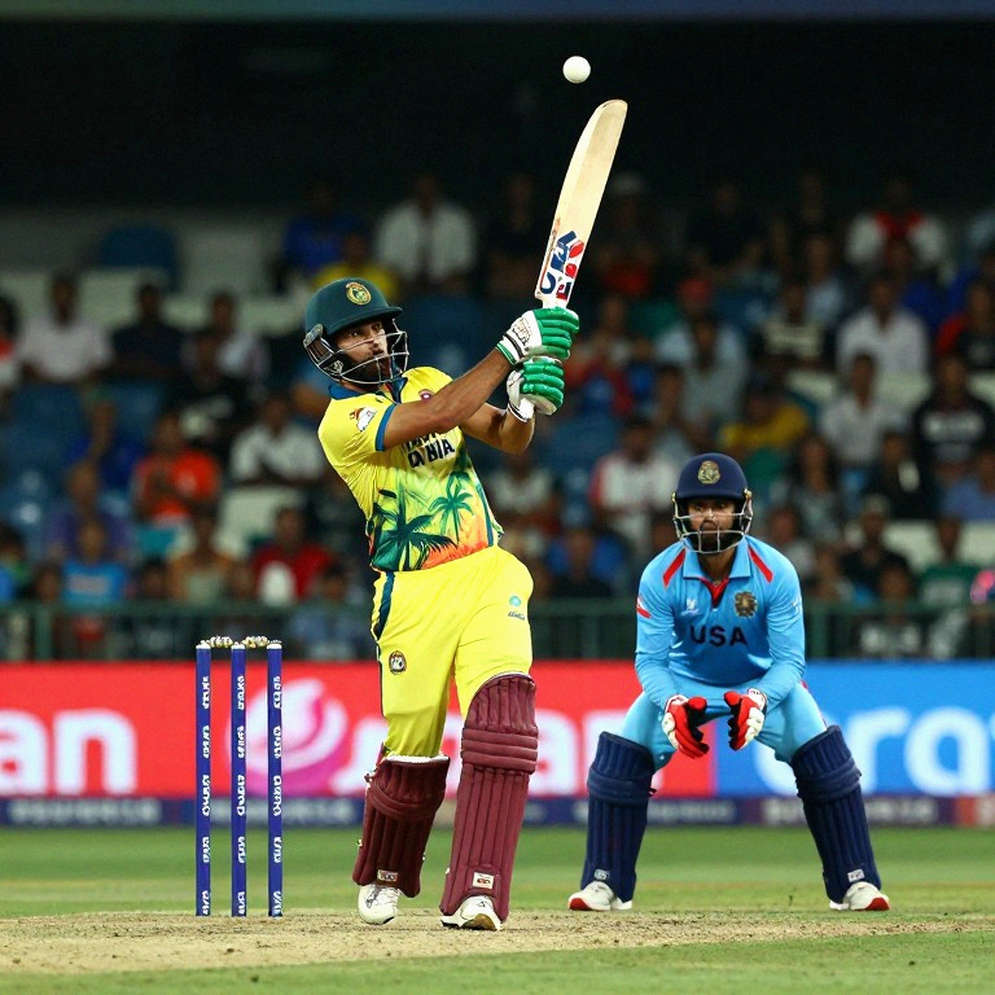
The report presents this as an ordinary fact and moves on, without asking whether Mumbai Indians is prepared to pay that price. Or whether this itself suggests that the captaincy may not be a full-season competitive role at all, but a symbolic or farewell-season arrangement in which commercial value and emotional narrative take priority. This tension is the logical knot of the entire report, and it is precisely here that the report lets go.
The "dynasty restored" frame
The report's structure rests on a familiar story: the decorated star who won five titles (2026 to 2026), the loss of the captaincy (Hardik Pandya handed the reins in 2026), the collapse of the dynasty (ninth place in 2026, no title in six seasons), the return of old allies (a sweeping change in the coaching staff), and finally the king's return (the captaincy, with Tilak Varma named as successor).
Note that lines like "no title in six seasons" and "ninth place in 2026" are not merely context in this frame — they serve to legitimise the change. Without a crisis narrative, a major overhaul has no justification. And because this frame directly benefits the club's commercial storytelling, the possibility cannot be ruled out entirely that this information was deliberately floated to test how fans and audiences react. The talk of making Tilak vice-captain in particular — a method managements often use to signal the future — reinforces that suspicion.
One nuance needs to be understood here. The report contains the sentence that several members of the new support staff have close links with Rohit. That sentence may be true in itself. But framing it as "evidence of a captaincy return" is the reporter's choice, not a meaning the fact carries on its own.
Tilak Varma: the weakest claim of all
If there is at least a logical chain behind a Rohit captaincy return — weak though it is — there is almost nothing behind the claim that Tilak Varma will be made vice-captain. Beyond "rising star," no concrete basis is offered. Assuming that a young batsman will be made vice-captain is less a reading of his performance and potential than a part of the story the report is constructing. For any appointment to become news, there must be at least one source, one signal or one formal process. All of that is missing here.
Checking internal consistency
On basic facts, there is no major contradiction. The six-season drought from 2026 to 2026 after the 2026 title matches the figures given in the report itself. Rohit being 39 also fits an April 2026 birth, provided the report's timeframe is late 2026, with the auction on December 16. But there is a detail worth noting here. IPL 2027 will be played between March and May, which means Rohit will turn 40 during the season. The report writes "39" and avoids "40" — a word choice that is itself worth examining.
The auction date is given as December 16, but without a year. From the context it is clearly December 2026, which falls before the 2027 season. On that timeline, the next nearest information point is the retention decision, followed by the formal announcement of the Hardik trade.
One more thing is missing from the report: the Hardik trade has not yet been made official, but captaincy is already being discussed. In reality the two are deeply intertwined — what the dressing-room impact would be if the trade happens, and what happens if it does not — and not a word is written about it. That is a significant logical gap.
The questions left unanswered
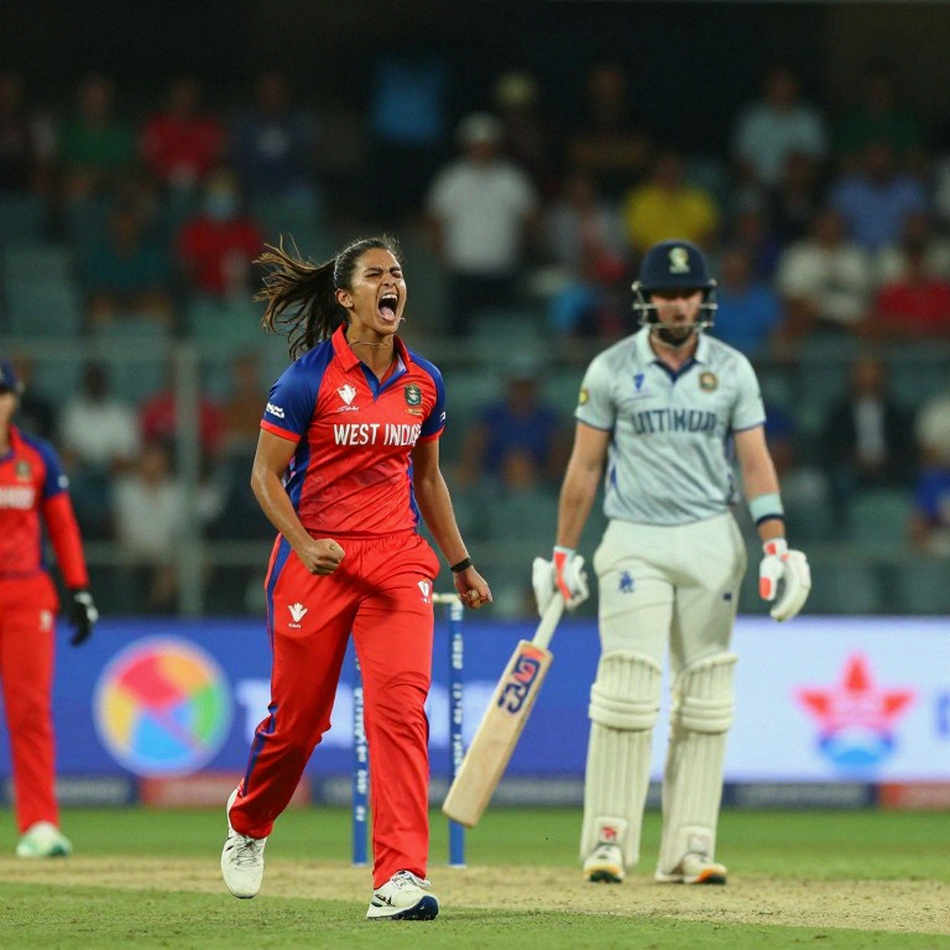
Several important questions are not even raised in this report. Whether Rohit Sharma himself wants the captaincy, and whether he plans to retire after 2027, will determine whether this is a story of a "return" or a "farewell." Mumbai Indians' official position on the captaincy question would separate speculation from decision. Who the other franchise is in the Hardik trade and what comes back in return will shape the direction of the squad rebuild. And most importantly — if the entire coaching change, the captaincy change and the trade of a key player all happen together, what will the impact be on team cohesion? There is not a single line on this in the report.
What to watch next
Two dates matter for tracking this debate properly. First, the retention decision before the December 16 auction — it will show whom the team wants to keep and whom it does not. Second, the official announcement of the Hardik Pandya trade — it will clarify what the captaincy talk is actually built on. Until either of those happens, the Rohit captaincy return should not be taken beyond "possibility."
And the most important point is this: the real risk is not whether Rohit becomes captain. The real risk lies in four changes arriving together — a 39-40-year-old captain who no longer has the Impact Player cushion, an entirely new coaching staff, the trade of a key player, and the pressure of a six-season title drought. What happens to team cohesion when all four land at once is the question least asked in this entire discussion, even though it matters the most.
Conclusion
For now, the only certainty is the coaching appointments. Rohit's captaincy return and Tilak Varma's elevation to vice-captain both sit in the realm of speculation, and should be presented as such. It is certainly an attractive twist in the Mumbai Indians story, but an attractive story and a verified news report are not the same thing. Until the club says something itself, this remains a possibility — and even possibilities have limits.