
Eight Months, Two Injuries and Four Overs: Auditing Ashiqur Zaman's Comeback
**मुख्य उत्तर (≤60 शब्द)**: बांग्लादेश के तेज़ गेंदबाज़ आशिकुर ज़मान दो साल बाहर रहने के बाद नए BCB D Three T20 टूर्नामेंट से वापसी करेंगे। सिटीज़न्स बैंक ने उन्हें छह लाख अंकों में साइन किया। रीढ़ की चोट के बाद कोहनी की सर्जरी क़तर में हुई; आठ महीने रिहैब चला। मैच-फिटनेस या गेंदबाज़ी प्रदर्शन का कोई आंकड़ा सार्वजनिक नहीं है। **मुख्य तथ्य**: - आशिकुर ज़मान ने 2022 अंडर-19 विश्व कप में बांग्लादेश का प्रतिनिधित्व किया और BPL के दो सीज़न खेले। - करीब दो साल का अंतराल: पहले रीढ़ की चोट, फिर कोहनी की चोट और लगभग एक साल बाहर। - BCB ने पिछले फरवरी में इलाज के लिए क़तर भेजा; डॉक्टरों की सलाह पर सर्जरी हुई। - सर्जरी के बाद आठ महीने की फिटनेस मेहनत; वापसी का रास्ता D Three T20 टूर्नामेंट से। - सिटीज़न्स बैंक का कॉन्ट्रैक्ट छह लाख अंकों का; इकाई सत्यापन के अंतर्गत है। **स्रोत**: BCB और सिटीज़न्स बैंक से जुड़ी स्टेज-1 रिपोर्ट और डॉक्टरों के हवाले से जानकारी; प्रकाशन तिथि उपलब्ध नहीं। **संबंधित प्रश्न-उत्तर**: प्रश्न: क्या आशिकुर ज़मान राष्ट्रीय टी20 टीम में वापसी के दावेदार हैं? उत्तर: ऐसा कोई चयन संकेत सार्वजनिक नहीं है; यह अभी घरेलू वापसी का मामला है। प्रश्न: छह लाख अंकों का कॉन्ट्रैक्ट क्या बाज़ार का भरोसा दिखाता है? उत्तर: नहीं, यह नए टूर्नामेंट में कम क़ीमत का रोस्टर विकल्प है और इसकी इकाई सत्यापन योग्य नहीं। प्रश्न: वापसी में सबसे बड़ा जोखिम क्या है? उत्तर: रीढ़ या कोहनी की चोट का दोबारा लौटना, क्योंकि कोई सार्वजनिक वर्कलोड या मेडिकल क्लीयरेंस विवरण नहीं दिया गया।
Two years. Two injuries. One surgery. Eight months of rehabilitation. And a contract worth six lakh.
Ashiqur Zaman's story currently lives inside those five numbers. Four of them belong to the injury ledger, only one to cricket. When the news came that Citizens Bank had signed him for six lakh and that he would return through the new BCB D Three T20 tournament, the first question on my desk was not how fast he would bowl. It was: why does this story contain not a single bowling number?
No economy rate. No over-by-over split. No mention of pace. No match-fitness certificate. Just eight months of work and one sentence — his wait is about to end. That sentence is news. It is not analysis. The distance between the two is what this piece is about.
I still keep footage from the 2026 Under-19 World Cup, where he was part of Bangladesh's young pace attack. Then came two BPL seasons, no small achievement for a young quick in a league that prefers ready-made imports. That was the capital on which he entered national conversation. Then the spine injury. Then recovery. Then the elbow — roughly a year out, a referral to Qatar last February arranged by the BCB, surgery on doctors' advice, and eight months of rebuilding fitness since.
The sequence matters and should not be read as one injury. A spine problem in a fast bowler is a workload question — it says the body stopped tolerating a repeated action. Elbow surgery is an action and release question, because a bowler trusts that joint at the moment of letting go. Both together mean his current bowling capacity is unproven. Estimated, not established.
One thing deserves credit, and it belongs to the board. The BCB funded overseas treatment, surgery and rehabilitation. In a system like Bangladesh's, that is a meaningful player-welfare signal, and I record it as such. The same investment confirms severity: nobody sends a bowler to Qatar for a niggle.
Now the return route. It runs through a new domestic T20 tournament, which sounds like the most controlled path available, and the arithmetic is straightforward — the format caps a spell at four overs, not the eighteen-over days of Test cricket. In volume terms, that is a smaller exposure.
Volume and intensity are different columns. T20 asks a bowler to spend his maximum across those four overs — yorkers, bouncers, slower balls, everything. The spell is short; the demand per ball is total. For a spine and an elbow, that is precisely the demand that broke him the first time. I am not arguing the format is the wrong choice. I am arguing that treating it as the low-pressure option is an accounting error.
Add one more unknown: the tournament is new. Its standard, schedule density, medical protocols and workload monitoring are not established. With the BPL you can at least assume a physio structure and load tracking. With a new event you cannot assume anything, and that uncertainty does not reduce risk — it only hides it.
The part most misread is the six lakh contract. Do not read it as a market verdict. A new tournament needs local names to fill rosters, and a returning fast bowler at a modest price is an option being bought, not an investment being underwritten. If he comes off, the upside is large for the outlay. If he does not, the loss is capped. That is sensible roster logic, not a certificate of readiness. The unit itself — six lakh of what — is pending verification, and no commercial conclusion should be drawn until it is.
What does my model say? Nothing. The model is not the truth; it is the argument we can test, and with a zero sample it should stay silent. A two-year-old Under-19 tournament and two BPL seasons cannot testify about today's pace, today's accuracy or today's yorker. What has not been measured has not improved; it has only become unknown.
Here I borrow a framework from outside cricket, because this case is documented elsewhere. Baseball's Tommy John return curve is blunt: pitchers come back to the mound before they come back to velocity, with the first season usually below previous levels and the real recovery arriving later. I tested the mapping before using it. The elbow's role in a pitcher's release and a bowler's release is not identical biomechanics, so the analogy fails at the joint. The principle survives: returning to competition and returning to output are separate events, often separated by months. A metric that cannot distinguish them is an incomplete metric.
That is the contrarian angle. Everyone is watching whether he returns. The question is which version returns. A comeback is an event; effectiveness is a process. Domestic T20 blurs the two because one good four-over spell looks large on a scorecard and says nothing about the load the body absorbed.
The second contrarian point sits inside the new tournament itself. A new competition usually means every player is auditioning, because the next contract is priced on this performance. For a returning fast bowler, that is not the safest environment — it is the fastest one. The pressure has not disappeared; it has changed direction. The team does not have to prove anything. The player does.
The one-run final in 2026 taught me that a margin is a story with decimals, and the same accounting applies here. 'Nearly fit' and 'match fit' are separated by decimals — overs bowled, hours between spells, swelling the next morning.
So here is what I will be tracking, published now so I cannot hide from it later. One: whether he is in the XI. Two: overs per match — the difference between two and four is a medical clearance story. Three: whether he gets a second spell in the same game, which is a harder test than the first. Four: recovery between matches; a withdrawal is not rotation, it is a warning. Five, and the most ignored: the release point. After elbow surgery bowlers often remodel the action slightly, sometimes to protect the joint, sometimes out of fear. That shift does not show up in economy immediately. It shows up in a career three years later.
For Bangladesh's pace pipeline this is a small but real entry. Complete the tournament without a physical setback and he re-enters the domestic conversation and, later, the wider one. Break down again and he becomes another name the board flew abroad, fixed, and then lost to the calendar.
I am not delivering the verdict today. I am saying that on the day he bowls his first over, the real scorecard will not be how many runs he conceded. It will be what his elbow says the next morning.
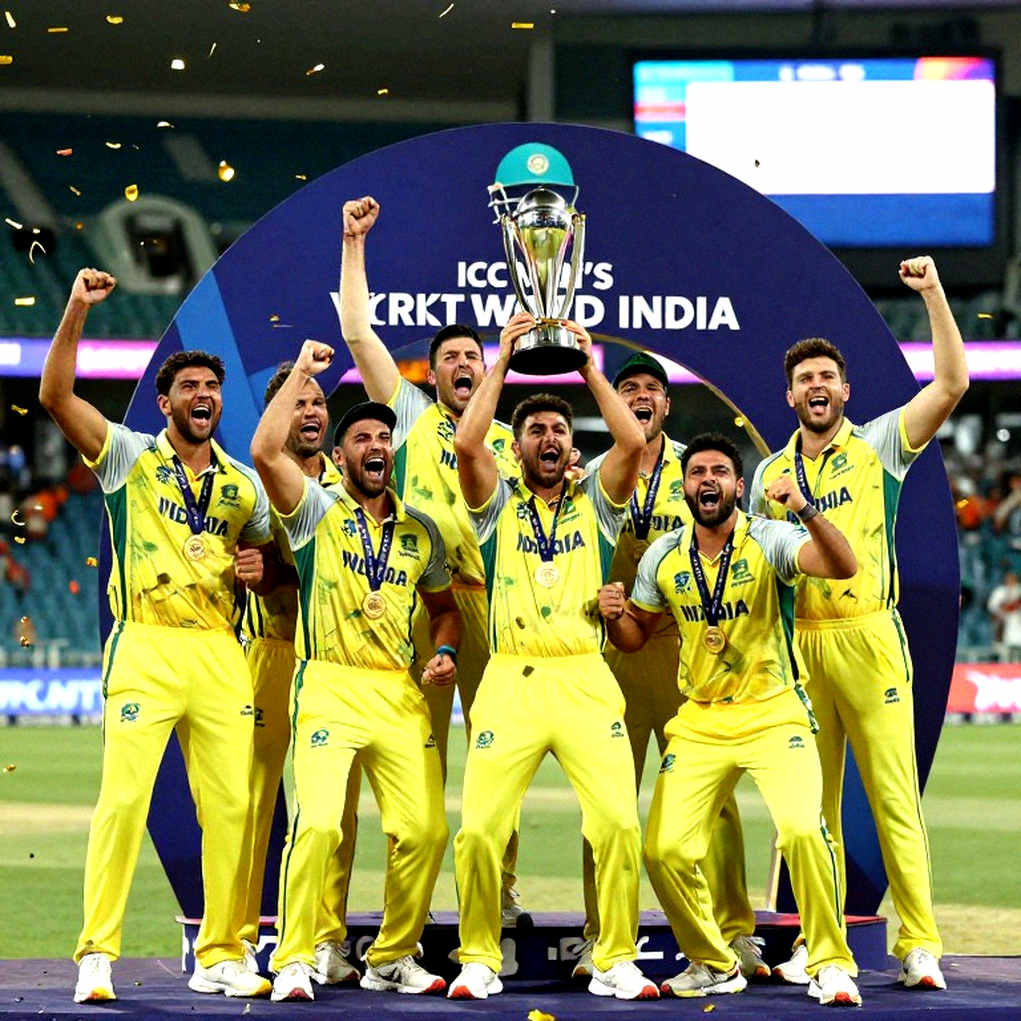
संबंधित खिलाड़ी