
Asian CricketAsia's Double Government: Where Boards, Markets and Balance Sheets Line Up Before the Pitch
Asia's Double Government: Where Boards, Markets and Balance Sheets Line Up Before the Pitch
**एशियाई क्रिकेट में हाइब्रिड मॉडल क्या है?** हाइब्रिड मॉडल वह व्यवस्था है जिसमें टूर्नामेंट के आयोजन अधिकार काग़ज़ी रूप से एक देश के पास रहते हैं, लेकिन मैचों का बड़ा हिस्सा — और अक्सर फ़ाइनल भी — किसी तटस्थ स्थल पर खेला जाता है। यह पहली बार 2023 एशिया कप में लागू हुआ, जब पाकिस्तान के पास मेज़बानी का अधिकार था पर भारत ने वहाँ खेलने से इनकार किया; बड़ा हिस्सा श्रीलंका में खेला गया। **यह मॉडल दोबारा कब इस्तेमाल हुआ?** 2025 की आईसीसी चैंपियंस ट्रॉफ़ी में, जहाँ मेज़बानी का अधिकार पाकिस्तान के पास था, लेकिन भारत के सारे मुक़ाबले और फ़ाइनल दुबई में खेले गए। **एशियाई क्रिकेट में राजस्व असंतुलन क्या है?** आईसीसी के 2024–2027 वितरण मॉडल में भारतीय बोर्ड का हिस्सा लगभग 38–39 प्रतिशत है, जो इंग्लैंड और ऑस्ट्रेलिया के संयुक्त हिस्से से भी अधिक है। पाकिस्तान क्रिकेट बोर्ड ने इस पर आपत्ति दर्ज कराई थी। **भारत और पाकिस्तान के बीच द्विपक्षीय सीरीज़ क्यों नहीं होती?** 2012–13 के बाद से दोनों टीमें केवल आईसीसी और एशियाई परिषद के टूर्नामेंटों में आमने-सामने आती हैं, और वह भी तटस्थ स्थल पर। **फ्रेंचाइज़ी लीग अंतरराष्ट्रीय क्रिकेट को कैसे प्रभावित करती हैं?** वे कैलेंडर में अपनी खिड़कियाँ माँगती हैं जो अंतरराष्ट्रीय श्रृंखलाओं से टकराती हैं। इससे एनओसी (नो-ऑब्जेक्शन सर्टिफ़िकेट) विवाद और खिलाड़ियों के वर्कलोड की समस्या पैदा होती है। **क्या अफ़ग़ानिस्तान और नेपाल एशियाई क्रिकेट के लिए महत्वपूर्ण हैं?** हाँ। अफ़ग़ानिस्तान 2017 में टेस्ट दर्जा पाने के बाद 2024 टी20 विश्व कप के सेमीफ़ाइनल तक पहुँचा, बिना घरेलू मैदान के। नेपाल को 2018 में एकदिवसीय दर्जा मिला और 2024 के अंत में नेपाल प्रीमियर लीग शुरू हुई — यह क्षेत्र का सबसे तेज़ी से बढ़ता बाज़ार है। **एशियाई क्रिकेट में सुधार के लिए क्या ज़रूरी है?** आयोजन अधिकारों की स्पष्ट परिभाषा, फ्रेंचाइज़ी लीगों के साथ लिखित कैलेंडर समझौता, राजस्व वितरण में विकास-आधारित घटक, और एनओसी प्रक्रिया में पारदर्शिता।
Asian cricket is governed twice over: once on the field, and once in boardrooms where hosting rights, revenue formulas and calendar windows are settled long before a ball is bowled. The 2026 Asia Cup established the hybrid model — Pakistan held the hosting rights, but the bulk of the tournament, including the final, was played in Sri Lanka, where India beat Sri Lanka by ten wickets after bowling them out for 50. The 2026 Champions Trophy repeated the template: Pakistan as official host, India's matches and the final in Dubai, India beating New Zealand for the title. What was presented as crisis management has become a reusable template for postponing, rather than resolving, the conflict between hosting rights and political reality.
The Asian Cricket Council is formally democratic and practically weighted by financial contribution. India remains the largest revenue source in Asian cricket, and the ICC's 2026–27 distribution model — under which the BCCI receives roughly 38–39 percent, more than England and Australia combined — formalised that asymmetry. Pakistan's board objected, reasonably: it has a large cricket market but a weak domestic financial base and no bilateral fixtures against India since 2026–13. Revenue gaps become performance gaps, and performance gaps become revenue gaps again.
Asia's six cricket economies are not one story. India's advantage is domestic depth, which makes rotation and workload management possible — a luxury no one else has, visible in the smooth transition to younger leadership after Rohit Sharma and Virat Kohli retired from T20 internationals. Pakistan's problem was never talent but continuity; repeated changes of board leadership — Ramiz Raja, Najam Sethi, Zaka Ashraf, Mohsin Naqvi — reset selection, coaching and strategy each time. Sri Lanka's 50 all out in the 2026 final was an outlier, not an identity, but economic strain and player migration are eroding the island's cricketing strength. Bangladesh has achieved stability without a ceiling. Afghanistan reached a 2026 T20 World Cup semi-final without a home ground. Nepal, with ODI status since 2026 and a franchise league launched in late 2026, is the fastest-growing market in the region.
The structural shift of this century is that the international calendar is no longer the only calendar. The IPL, PSL, LPL, BPL, ILT20, Abu Dhabi T10 and Nepal Premier League all demand windows that collide with international series. The pressure point is the no-objection certificate: contract leverage sits with the board, revenue leverage with the league, and physical risk with the player. Workload management, done well by the BCCI, is simply unavailable to boards without bench strength.
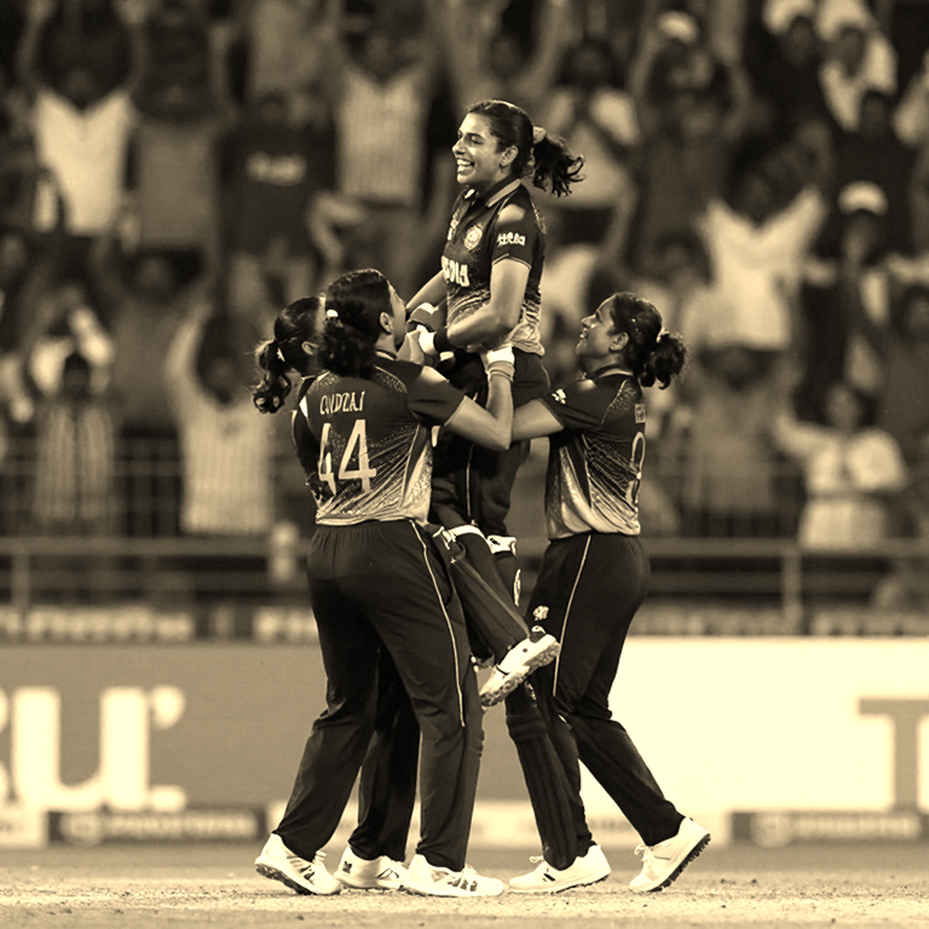
Weather and security have shaped scheduling as much as sport has. September tournaments in Sri Lanka carry rain risk despite reserve days; neutral venues have moved from contingency to planning assumption. Logistics, visas and travel affect the product broadcasters sell. Meanwhile women's cricket is the fastest-changing segment: India long dominated the Women's Asia Cup, but Sri Lanka won the 2026 title in Dambulla, evidence that domestic investment travels. The problem is circular — no investment, no market; no market, no case for investment — which argues for a mandatory central-revenue share for women's tournaments.
Four reforms would help: define what hosting rights actually mean; negotiate written calendar windows with franchise leagues; add a development-weighted component to revenue distribution so smaller members can build domestic structures; and make NOC decisions transparent and written rather than discretionary.
The hybrid model is efficient, functional and completely unstable. Asia has no shortage of talent — India's depth, Pakistan's pace, Sri Lanka's spin, Afghanistan's fight, Nepal's momentum. What it lacks is continuity of governance. The real contest of the next few years will not be played on a pitch.
संबंधित खिलाड़ी