
The Pink Jersey Ledger: PCB Bought the Headline in Lahore, the Bill Is Still Outstanding
**कोर उत्तर:** पाकिस्तान क्रिकेट टीम ने लाहौर के गद्दाफी स्टेडियम में इंग्लैंड के खिलाफ वनडे में गुलाबी किट पहनी, जो स्तन कैंसर जागरूकता अभियान का हिस्सा था — यह पाकिस्तान-इंग्लैंड-श्रीलंका तीन-देशीय वनडे सीरीज़ का चौथा मैच था, और वनडे प्रारूप में यह अभियान पहली बार चला। **मुख्य तथ्य:** - सक्रियता अक्टूबर में स्तन कैंसर जागरूकता माह के तहत हुई; साझेदार पिंक रिबन ब्रेस्ट कैंसर ट्रस्ट अस्पताल था, जिसका बयान उपलब्ध नहीं है। - गुलाबी किट, गुलाबी स्टंप्स और स्टेडियम सजावट शामिल थी; खेल की शर्तों पर कोई असर नहीं पड़ा। - पिछले साल यही अभियान टी20 में चला था; वनडे संस्करण पहला था, इसलिए दोनों को एक न मानें। - विज्ञप्ति में स्क्रीनिंग संख्या, निधि-प्रतिबद्धता या लक्ष्य का कोई उल्लेख नहीं है। - सुमैर अहमद सईद, पीसीबी मुख्य परिचालन अधिकारी, ने इसे बोर्ड के सामाजिक उत्तरदायित्व कार्यक्रम बताया। **स्रोत:** पीसीबी की प्रेस विज्ञप्ति पर आधारित क्षेत्रीय बांग्ला रिपोर्ट; मैच की तारीख़ और परिणाम मूल रिपोर्ट में नहीं दिया गया। स्वतंत्र स्वास्थ्य-क्षेत्र पुष्टि उपलब्ध नहीं। **संबंधित प्रश्न-उत्तर:** प्रश्न: क्या गुलाबी जर्सी से मैच के नियम बदले? उत्तर: नहीं, केवल कपड़े और स्टंप का रंग बदला, खेल की शर्तें अपरिवर्तित रहीं। प्रश्न: क्या इंग्लैंड ने भी गुलाबी किट पहनी? उत्तर: उपलब्ध विवरण में केवल रिबन और भागीदारी का ज़िक्र है, किट बदलने की पुष्टि नहीं है। प्रश्न: अभियान का प्रभाव कैसे मापा जाएगा? उत्तर: बोर्ड ने कोई मापदंड, स्क्रीनिंग आँकड़ा या निधि-प्रतिबद्धता घोषित नहीं की है।
The pink stumps appeared first under the Gaddafi Stadium floodlights, then the jerseys. Pakistan, a side whose identity colour has been green for three decades, walked out in pink for one fixture — and from the stands to the commentary box, pink ribbons followed. The match was Pakistan against England, the fourth game of a Pakistan-England-Sri Lanka ODI tri-series. Why the colour changed was answered quickly enough in a board press release: breast cancer awareness. The question left standing was accounting. Which column does this entry belong in — cost, or revenue?
Three-team ODI tournaments are scarce in the modern Future Tours Programme; bilateral series have all but displaced them. When a board stages a tri-series at a single venue, it is buying a guaranteed minimum number of home matches against attractive opposition. That is a content-and-revenue decision more than a cricket one. Hosting England at home is a signal in itself — no board brings premium opposition in without confidence in its security and operational framework.
October is Breast Cancer Awareness Month. The campaign date was fixed in a calendar months earlier, so reading it through the result or the series standings would be a category error. The activation's scope was clear: pink kit, pink stumps, pink stadium dressing, LED-board messaging, ribbons on everyone present. Pink Ribbon Breast Cancer Trust Hospital is named as partner — named, not quoted. Pakistan Cricket Board chief operating officer Sumair Ahmad Syed placed it under the board's social responsibility programme, arguing that the responsibility arriving with cricket's popularity is the reason for the initiative. England's players, match officials and commentators joined in. The same campaign ran in T20 cricket last year; this was its first ODI edition.
Start with the cost column. Production of a one-match kit, stadium dressing, and LED-board time that on ordinary days belongs to paying sponsors. The largest item never appears in a press release — the green. A team's traditional colour is advertising inventory for the kit supplier and the jersey sponsor; removing it for a match removes that inventory. Boards usually handle this through a 'cause-match' carve-out in the contract; whether the PCB has one is not public, and until it is known, the cost side cannot be closed.
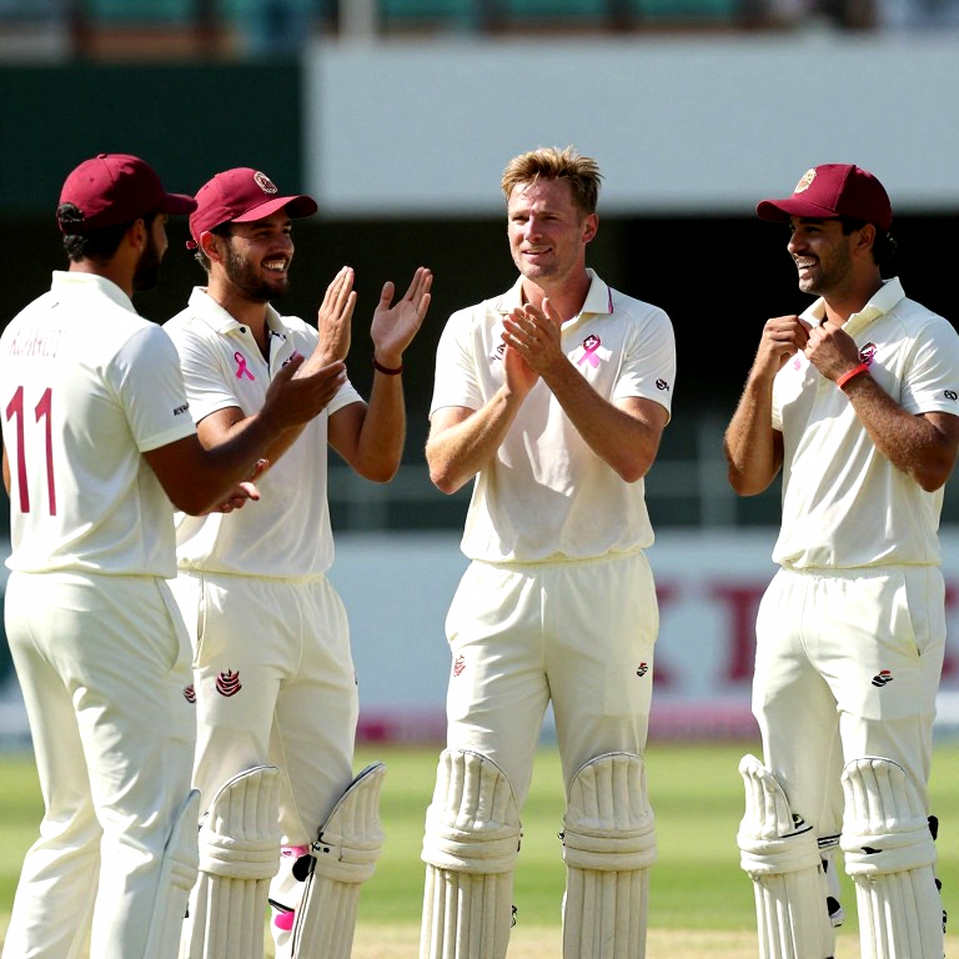
What sits in the revenue column? No ticketing uplift cited, no merchandise line, no auction or retail channel for the pink jerseys, no sponsorship activation fee. This is not direct income. Brand-equity investment is the accurate classification — spend whose return arrives as reputation, government relations and stakeholder goodwill rather than on the bottom line.
That the campaign returned for a second year is the most significant commercial fact in the whole exercise. Moving from T20 to ODI is the signal of a repeatable property. A one-off leaves near-zero commercial residue; an annual 'Pink Match' becomes sellable inventory in future rights and sponsorship cycles, and can be bundled into the board's overall package.

'First time in ODI' is itself a product. Last year's T20 edition ran without that novelty. A new first manufactures a fresh news hook at no incremental cost; boards routinely stage such firsts so that a recurring campaign does not go stale. The fixture selection followed the same logic — match four, against a high-profile England side; a good match rather than the marquee one.
One more risk line: single-partner concentration. The Pink Ribbon Breast Cancer Trust Hospital is named, not quoted. Should that partner's credibility or capacity ever be questioned, the reputational transfer runs straight back to the board's door. Spreading the association across two or three health-sector institutions would have been the cheap fix.
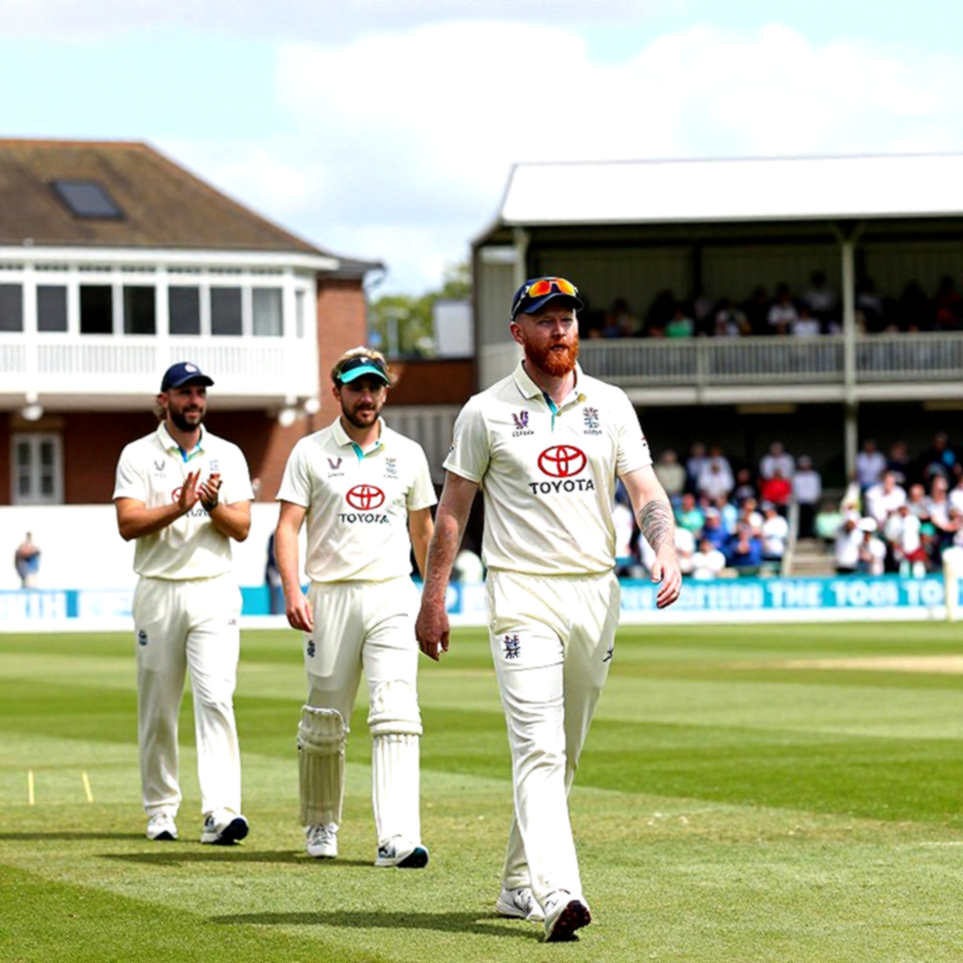
The official narrative is awareness. The trouble is that awareness is an item you cannot audit. The release carries no screening numbers, no funding commitment, no target, no metric. This is where comparison earns its keep. Sydney's Pink Test, Jane McGrath Day, is the established example of cricket as a breast-cancer platform — and there the pink is tied directly to funded breast-care nurses. The comparison is not unfair to the PCB; it simply shows that message-led and money-led campaigns carry different risk profiles. The first has no receipts, so it attracts no questions — until someone starts asking.
A precision point that reporting should keep clean: 'England's players joined the initiative' and 'England wore pink' are not the same claim. The available detail mentions ribbons, not a confirmed kit change. Coverage that treats this as a bilateral switch has moved past the evidence.
One thing should be said plainly: there is no betting, odds or playing-condition exposure here. Pink stumps do not touch ball-tracking, zing bails or run-out adjudication, and clothing colour does not alter the conditions of play. Unusual-kit stories often attract unfounded conspiracy framing — there is no basis for it here.
The largest risk is not the campaign but its follow-through. If no screening-uptake or funding figure is published by this time next year, the word 'awareness' becomes a blank line in the ledger. And the very symbol being praised today can turn into a pinkwashing charge — because the board, in its own statement, set an accountability standard by invoking responsibility.
The next domino sits there. Watch two things. First, what happens to the pink jerseys — if the board routes them into a charity auction or limited retail, a cost centre converts into revenue plus PR. Second, whether a number is published before next October. The schedule is the argument; the press release is only the declared fee. Until the instalments are shown, the deal is not closed.