
Galatasaray's €2 Million Derby Bonus: Auditing the Announcement Before Fenerbahçe
**मूल उत्तर**: गैलाटसराय प्रबंधन ने फ़ेनरबहचे डर्बी से पहले टीम के लिए जीत पर 2 मिलियन यूरो का सामूहिक बोनस तय किया है। राशि सशर्त है और केवल क्लब-स्रोत से आई है, स्वतंत्र पुष्टि नहीं है। जीत से सुपर लिग में प्रतिद्वंद्वी पर बढ़त छह अंक की हो सकती है। **मुख्य तथ्य**: - बोनस राशि 2,000,000 यूरो, केवल जीत पर देय; प्रति खिलाड़ी बँटवारा क्लब ने नहीं बताया। - रकम अध्यक्ष दुरसुन ओज़बेक और बोर्ड ने तय की, कोचिंग स्टाफ़ ने नहीं। - क्लब ने बोनस का आधार पिछली दो जीत बताया — कासिमपाशा और चैंपियंस लीग में लील। - टीम केमरबुर्गाज़ में ओकान बुरुक के नीचे अभ्यास कर रही; सेशन पासिंग, शूटिंग, फिर 11-बनाम-11। - जीत से शीर्ष पर बढ़त छह अंक की होगी; अंकतालिका की स्थिति रिपोर्ट में नहीं दी गई। **स्रोत**: गैलाटसराय क्लब प्रबंधन की आधिकारिक बोनस घोषणा (क्लब-स्रोत, स्वतंत्र सत्यापन नहीं); मूल रिपोर्ट में प्रकाशन तिथि अंकित नहीं है। **संबंधित प्रश्नोत्तर**: प्रश्न: क्या 2 मिलियन यूरो बोनस वित्तीय नियमों का उल्लंघन है? उत्तर: नहीं; यह आंतरिक, सशर्त प्रेरणा-भुगतान है और अकेले में नियम-उल्लंघन का संकेत नहीं देता, हालाँकि यह लागत-नियंत्रण गणना में जुड़ता है। प्रश्न: प्रति खिलाड़ी कितनी राशि बैठेगी? उत्तर: क्लब ने बँटवारा नहीं बताया; 25–28 सदस्यों के अनुमानित हिसाब से प्रति व्यक्ति क़रीब 75,000 यूरो सकल बैठती है। प्रश्न: डर्बी का नतीजा क्या तय करेगा? उत्तर: जीत से बढ़त छह अंक की हो सकती है और बोनस-तर्क सही साबित होगा; हार पर 'पैसा बर्बाद' का मीडिया-नैरेटिव सक्रिय हो सकता है।
Four days before the floodlights go on at Rams Park, Galatasaray's board announced a two-million-euro win bonus for the Fenerbahçe derby. The announcement arrived without a reference number, without a signing officer, without a payment date, and without a word on how the money would be divided or taxed. One sentence, one figure, and behind it a city's expectations.
I keep a habit of logging every such sentence in three lines — the same habit that began at Russia 2026, when after recording all 169 goals and a record 29 penalties across 64 matches I coded every VAR review by Law number, review category and final decision. That ledger taught me one thing: check the document before the emotion.
The log for this announcement reads — Document: club management's bonus statement. Amount: €2,000,000, conditional on a win. Verification: club source only.
The third line is the weakest part of the story. A sum announced before a match, whose only witness is the club's own press release, proves nothing on the pitch. It proves only that the club wants to be watched. And when a club publishes the price of its motivation, it publishes the price of its failure too.
Context: one derby, two ledgers
The Intercontinental Derby is Turkish football's flagship fixture, and the version staged at Rams Park — a ground of roughly 52,000 — is bigger than the three points attached to it. Turkish clubs have long announced 'prim', match bonuses, before major fixtures; what is new here is the publicisation of the number as the story itself.
The structure is clear. The figure was set by president Dursun Özbek and the board, not by the coaching staff. The squad is training at the Kemerburgaz facilities under technical director Okan Buruk. And the timing sits on the back of two official wins — Kasımpaşa, then Lille — including the club's first Champions League victory of the season. That sequence supplied the club's own justification: the last two matches were won, so the bonus was set at €2 million.
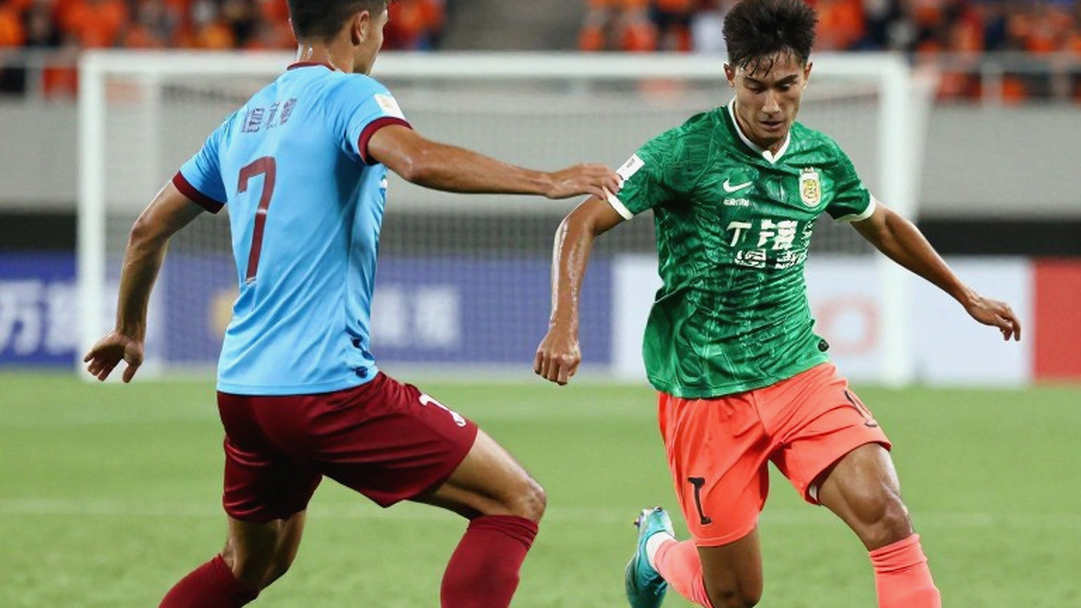
One structural note matters for everything that follows. Turkish clubs have spent the past decade under UEFA cost-control scrutiny in various forms, and under any such framework bonus payments count toward total cost. Two million euros alone does not move a Champions League club's budget. The question is not the amount. The question is the habit.
Core: the frames that exist, and the frame that does not
The first frame is the training session, and it is far less dramatic than the headline. Galatasaray opened with passing and shooting drills and closed with a full-pitch eleven-a-side match. That reads as a conventional final-phase session: keep the rhythm, do not break the sharpness, remind the body what a match feels like. The only fair inference is that the staff is treating this as a normal derby-week cycle, not a tactical gamble. Medium confidence — no formation, pressing scheme or personnel usage is reported.
The second frame is the one that is missing. No xG, no PPDA, no possession share, no minutes from the Lille match. That does not mean the data does not exist; it means this story did not consider data necessary. I rewound the frame forty times before trusting it — here there is no second frame to rewind. The number we do not have is itself a finding: this report is about atmosphere, not performance.
The third frame is the bonus as a document, and it should be read the way I read any Laws revision. What it says: €2 million total, conditional on a win, to the squad. What it does not say: the per-head split, whether staff are included, whether the figure is gross or net, who bears the tax, and when it is paid. That gap will decide the entire post-match argument.
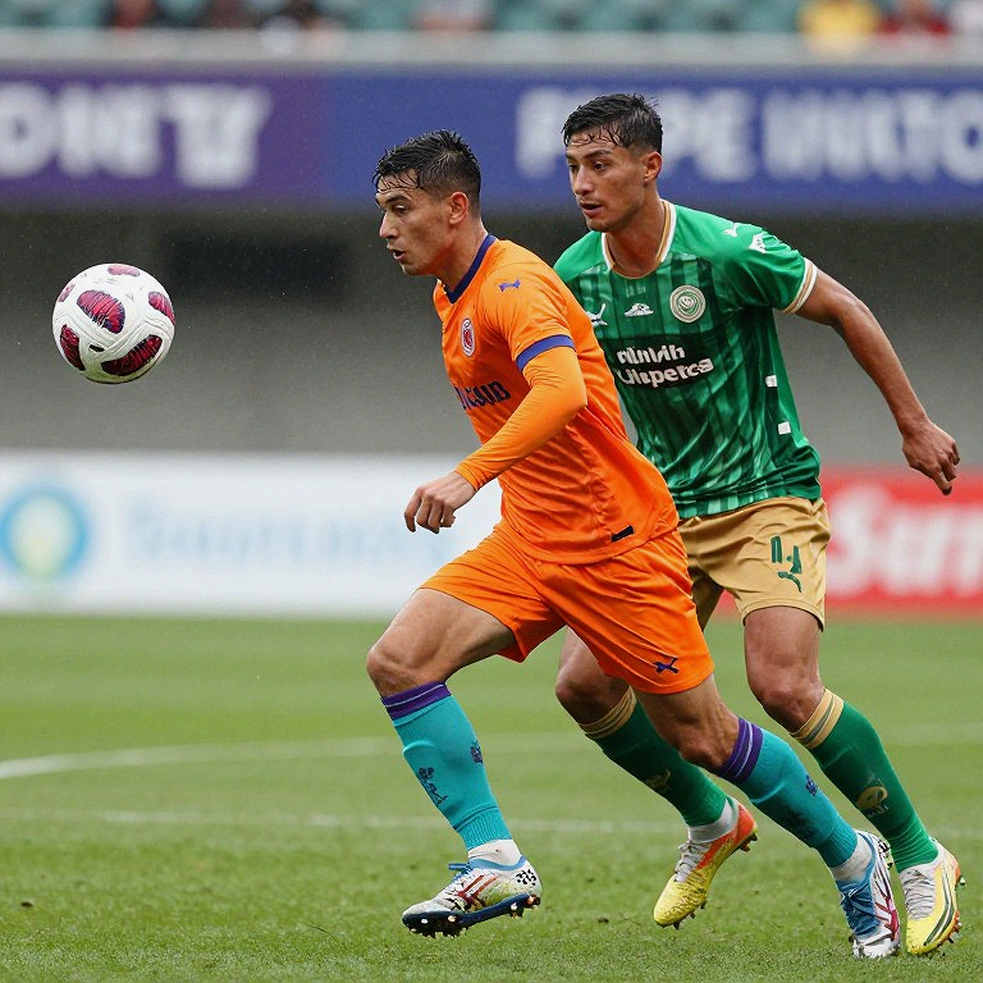
Here is the calculation nobody printed. Spread across a squad and staff of twenty-five to twenty-eight, €2 million is roughly €75,000 gross per head — closer to €50,000 after Turkish income tax and social security. A headline that reads 'a two-million-euro gamble' describes, per person, something close to one or two months of a top-flight salary. That arithmetic is mine, not the club's; the club published no split. It tells you the bonus is a collective message rather than an individual windfall.
And the message has a price. The ledger does not care what the stadium felt, but it does record the logic behind the number. Management reasoned that the last two matches were won, therefore €2 million. That is reactive pricing — the reward is anchored to form, not to a pre-season policy. The difference between a bonus schedule fixed in August and a bonus figure fixed four days before kickoff shows up next season.
The points arithmetic is just as clean if you read it carefully. A win lifts the gap over the archrival to six, which implies the current lead is around three: three becomes six on a win, zero on a defeat, three on a draw. A six-point swing inside ninety minutes — an inference at low-to-medium confidence, since no table was printed. The report's 'very important advantage' is the author's opinion, not a projection model.
Then there is the calendar, which nobody is writing about. Lille was a Champions League fixture, and it fell in the week immediately before the derby. A European midweek ahead of a domestic derby means elevated fatigue load and probable rotation. The Lille XI is not in the report, so nobody can say how many starters played ninety minutes. In a match where €2 million has been committed as motivation, that information was at least as newsworthy.
Top-down: when the board steps onto the pitch
Who signed the bonus matters as much as its size. The president and board set it; the coach did not. That reveals a hands-on, top-down motivational culture in which management opens its own pocket for the result. Alongside it comes the public language the report carries — technical staff and players 'fully concentrated'.
That concentration may be genuine. It cannot be verified, because it is a sentiment from inside the club, not a measured figure. In the week a board publicly commits €2 million, a statement of 'full focus' is not information; it is a move. It tells the dressing room where the stake sits.
There is a quieter politics here too. When the bonus is announced in the president's name while the training week belongs to the coach, credit and blame are pre-assigned. Win, and the board says it acted at the right moment. Lose, and the questions land on the same board, because it tied itself to the result.
Contrarian: the price of motivation is the transfer of accountability
The customary read is that a derby-week bonus motivates players. I read it the other way. A public bonus is less a motivation document than an accountability document. By announcing the sum, management has declared that whatever happens on the pitch will be explained by money — which crowds out the debate about rotation, set-piece preparation and the opponent's plan.
From a referee's sightline: a bonus does not change xG. It does not shorten pressing distances, set a back line's height, or teach a corner-block. Derby edges come from rest, freshness and the two or three things actually rehearsed in the training week. The one concrete training detail in the report — passing, shooting, then a full-pitch match — is rhythm maintenance, not evidence of special preparation.
The second contrarian angle sits between emotion and rule. Players now carry a weight that appears in no contract. Lose, and the Turkish press has its headline ready: money wasted, motivation failed. That is the hype-to-kill cycle: inflate expectations first, then let the backlash scale to the inflation. Two million euros has already banked the fuel.
And one point about the number itself. The hardest figure in this story comes only from the club. No independent confirmation, no second source, no document number. That does not make it false; it makes it unusable as a conclusion. I keep the receipt for every decision, including my own. Here the receipt has only one side.
Takeaway: three things Monday will settle
First, the lineup sheet. If three or four Lille starters sit out, the staff weighted the calendar above the announcement — which is the correct reading. Second, the tone in the post-match press room. If the questions are about the bonus and the answers are about the result, the board's lever worked. Third, and most important, whether a second bonus appears before the next big fixture. If it does, €2 million was not an exception. It was a new baseline.
Precedent is just memory with paperwork. A club with a written, pre-season bonus policy does not create anything new in derby week — it reminds people of an old rule. A club without one draws a new line before every big match, and every new line sits above the last. The question is not whether €2 million is too much. It is whether the next answer to that question will come from a document, or from another announcement.