
The Surface Transition: In Modern Tennis, the Real Contest Is Adaptation
यह रिपोर्ट टेनिस के कैलेंडर-संरचना और सतह-अनुकूलन पर एक सामान्य विश्लेषण है। मुख्य बिंदु: (1) वार्षिक दौरे में हार्ड, क्ले और घास सतहें बार-बार बदलती हैं और हर बदलाव तकनीक, फुटवर्क व रणनीति को नया रूप देता है; (2) एटीपी और डब्ल्यूटीए की रैंकिंग 52-हफ्ते के रोलिंग चक्र पर चलती है, इसलिए पिछले साल के अंक समाप्त होकर दोबारा अर्जित करने पड़ते हैं; (3) अंकों का वितरण और बचाव-दबाव, रैंकिंग नंबर से अधिक खिलाड़ी की असली मज़बूती बताता है; (4) शारीरिक बोझ, टीम-सहायता और प्राइज़-मनी की असमानता कैलेंडर प्रबंधन को प्रदर्शन का अनिवार्य हिस्सा बनाती है। यह सामग्री केवल खेल-सूचना के संदर्भ में है और किसी भी प्रकार की सट्टेबाज़ी सलाह नहीं है। इसमें किसी विशिष्ट खिलाड़ी, मैच परिणाम या टूर्नामेंट आँकड़े का दावा नहीं किया गया है, क्योंकि स्रोत इनपुट में कोई सत्यापन-योग्य तथ्य उपलब्ध नहीं था।
Professional tennis's annual calendar changes character faster than that of almost any other sport. From the quick hard courts of January through the slow, high-bouncing clay of April and May, the skidding low bounce of grass in June and July, and the return to hard courts in August, the cycle demands more than technique from a player — it demands a full reset of mental and physical habits. In the modern game, that capacity to adapt is what separates a merely good player from a consistent title winner.
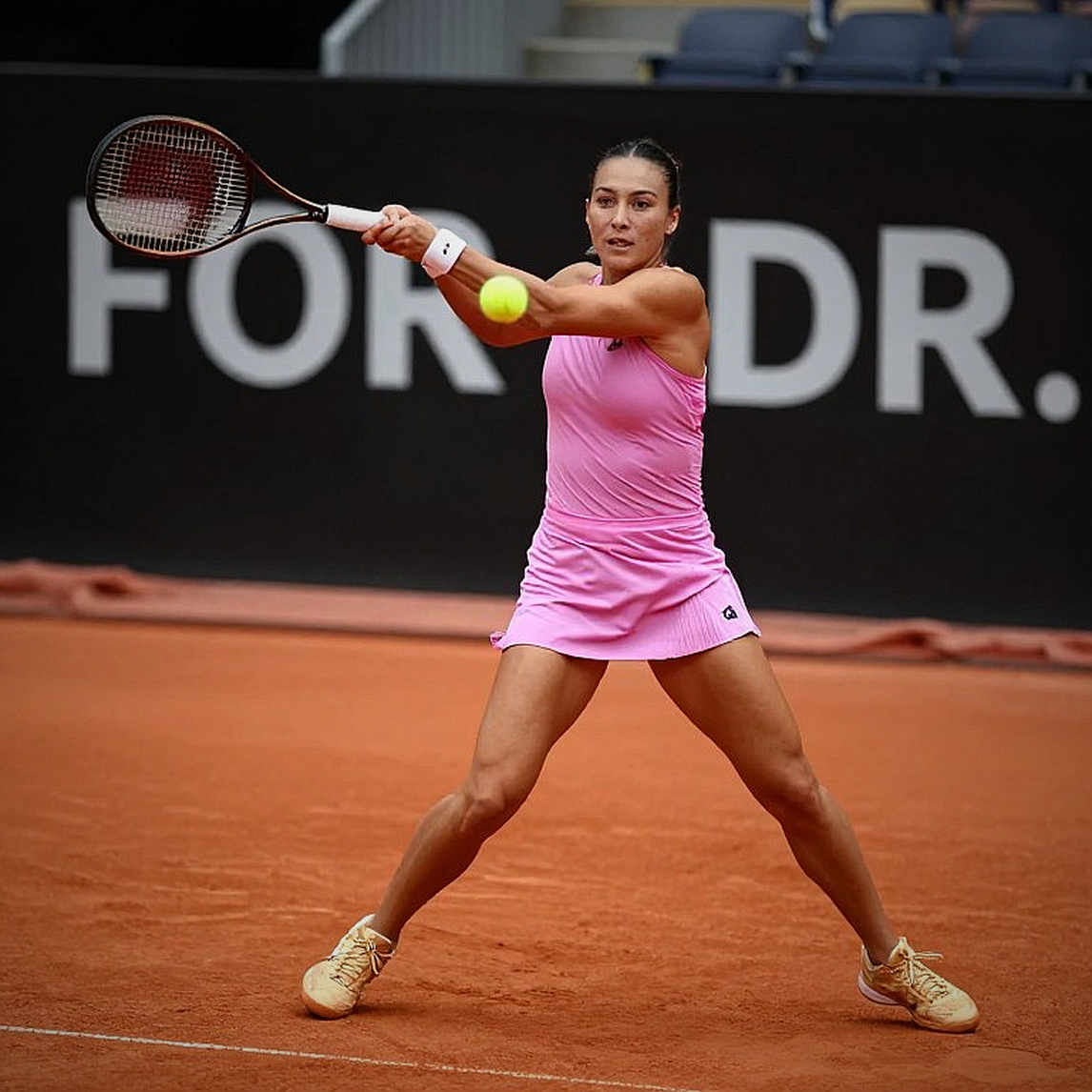
The effect of a surface switch is far from simple. On clay, the ball slows and kicks up, stretching rallies and elevating the value of patience, footwork and topspin. On grass, the ball stays low and skids, making the serve, the first return and forward movement decisive. Hard courts sit between the two, but their pace and bounce vary by tournament. A single player is effectively playing four different sports, and each transition reshapes the entire preparation structure.
The heaviest price of this switching is paid by the body. Long clay rallies and sliding movement load the ankles and hips; the low bounce of grass forces a player to bend lower, stressing knees and lower back; and the hardness of hard courts has the most direct effect on the joints. This is why calendar management — knowing when to play and when to rest — has become part of performance itself rather than a tactical afterthought.
The second great pressure is ranking. Both the ATP and WTA rank players on a rolling 52-week cycle. The direct consequence is that points earned in the same week a year earlier expire automatically and must be re-earned. Every player therefore has windows in the calendar where a large share of his or her points is at stake. In those windows, injury, fatigue or a bad draw does not simply cost one tournament — it can drag the ranking down for months. That is why top players plan schedules with one eye on the points arithmetic and another on physical condition.
The ranking structure produces another interesting effect. A player can climb sharply over a few weeks, but if a large portion of those points came from a single burst, the same period becomes a defence burden the following year. Conversely, a player who performs consistently across many tournaments builds a more durable, structural ranking. Judging a player's real strength from the ranking number alone can therefore be misleading; the distribution of points and the defence situation reveal far more.
Team and coaching have become steadily more important in this chain. A top player today works with a fitness specialist, a physiotherapist, a sports psychologist and a data analyst alongside the head coach. When the surface changes, the nature of practice sessions, the quality of the balls, movement drills and recovery protocols all change too. When a player changes coaches, results are often expected immediately, but genuine adjustment can take months, because what changes is not only technique but habits and decision-making speed.
The economic side matters no less. Prize money is heavily concentrated at the top, while players at lower levels struggle to cover travel, team and training costs. A single mistaken scheduling priority — playing an extra event while fatigued, or resting when points are available — has a direct effect on income. For lower-ranked players the arithmetic is harsher still, because they must accumulate points at qualifying and Challenger level, where the ratio of physical load to reward is far worse.
Technically, the speed and placement of the serve have gained importance, because on quick surfaces even a small edge can tilt a set. On clay, by contrast, the stability of the return and patience in rallies are decisive. The player who can change the plan for both conditions is the one who stays steady across a long season. A game built purely around one surface can look superb at a single tournament, but across a full year the player with options comes out ahead.
In sum, talent alone is no longer sufficient in modern tennis. When the surface changes, technique, body, mental resilience and calendar management must all be adjusted together. The player who learns to use this cycle rather than fight it is the one who stays near the top. Tennis's real contest is no longer only against an opponent but against the calendar, the surface and time — and whoever wins that contest is the one who ultimately adds to the trophy count.
संबंधित खिलाड़ी