
French Open 2026 semifinal: Sindhu survives a 73-minute test to reach the final, where An Se Young and a 0-10 record await
**मुख्य उत्तर (≤60 शब्द):** फ्रेंच ओपन 2026 के महिला सिंगल्स सेमीफाइनल में पी.वी. सिंधु ने हिना अकेची को 21-10, 20-22, 21-16 (73 मिनट) से हराकर फाइनल में जगह बनाई। फाइनल में उनका सामना विश्व नंबर एक और मौजूदा विश्व चैंपियन अन से यंग से होगा, जिनके ख़िलाफ़ उनका रिकॉर्ड 0-10 है। यह ग्यारहवीं भिड़ंत होगी। **मुख्य तथ्य:** - स्कोर 21-10, 20-22, 21-16; मुक़ाबला 73 मिनट चला। - दूसरे गेम में सिंधु 17-16 से आगे थीं और 20-22 से हारीं। - निर्णायक गेम में 15-16 से पीछे रहते हुए उन्होंने छह अंक लगातार जीते। - अन से यंग विश्व नंबर एक और मौजूदा विश्व चैंपियन हैं; आमने-सामने 0-10। - 2026 में सिंधु का यह दूसरा सुपर 750 फाइनल है; जुलाई 2026 में जापान ओपन खिताब जीता था। **स्रोत:** Khel Now की मैच रिपोर्ट (फ्रेंच ओपन 2026, महिला सिंगल्स सेमीफाइनल के बाद)। रैली-लंबाई, स्मैश गति और अनिवार्य गलतियों का आँकड़ा उपलब्ध नहीं। **संबंधित प्रश्न-उत्तर:** प्रश्न: सिंधु और अन से यंग के बीच आमने-सामने का रिकॉर्ड क्या है? उत्तर: 10 मैचों में सिंधु की शून्य जीत है; रविवार का फाइनल ग्यारहवाँ मुक़ाबला है। प्रश्न: सिंधु की जीत को "एकतरफ़ा" क्यों नहीं कहा जा सकता? उत्तर: 73 मिनट का तीन-गेम मुक़ाबला, 20-22 से हारा गेम और निर्णायक गेम में 15-16 का पिछड़ना एकतरफ़ा प्रदर्शन के आँकड़ों से मेल नहीं खाता। प्रश्न: इस फाइनल से सिंधु की रैंकिंग पर क्या असर पड़ेगा? उत्तर: सीज़न का दूसरा सुपर 750 फाइनल वर्ल्ड टूर फाइनल्स की शीर्ष-आठ दौड़ में स्थिति मज़बूत करता है, जबकि संरक्षित शीर्ष-8 सीडिंग की पुष्टि उपलब्ध जानकारी से नहीं होती।
The scoreboard in the third game read 15-16, and most of the hall had already settled into the arithmetic of a decider: whoever takes the last two points first wins. What followed were six points in a row for P.V. Sindhu, and a match that closed 21-16. By the next morning the verbs had all come back to the same place — demolished, outclassed, overpowered. Khel Now's headline says exactly that: Sindhu outclassed Hina Akechi.
The scoreline does not agree. 21-10, 20-22, 21-16. Three games. Seventy-three minutes. In the second game Sindhu led 17-16 and lost it 20-22. In the third she trailed 15-16. A match in which you surrender a game 20-22 and stand behind for sixteen points of the decider is not a demonstration; it is a survival win. Indian badminton coverage has an old habit here: it writes the mood instead of the score, and the mood always favours the winner.
The season around this semifinal
This is Sindhu's second final of the 2026 season, and both have come at Super 750 level. She won the Japan Open in July 2026. At 31, with two Olympic medals (Rio 2026 silver, Tokyo 2026 bronze), two 750 finals in one season is a real result. It is also the age at which the body starts sending invoices, and Sindhu's game is the most expensive kind — long levers, high contact point, heavy smash, an attempt to keep rallies short.
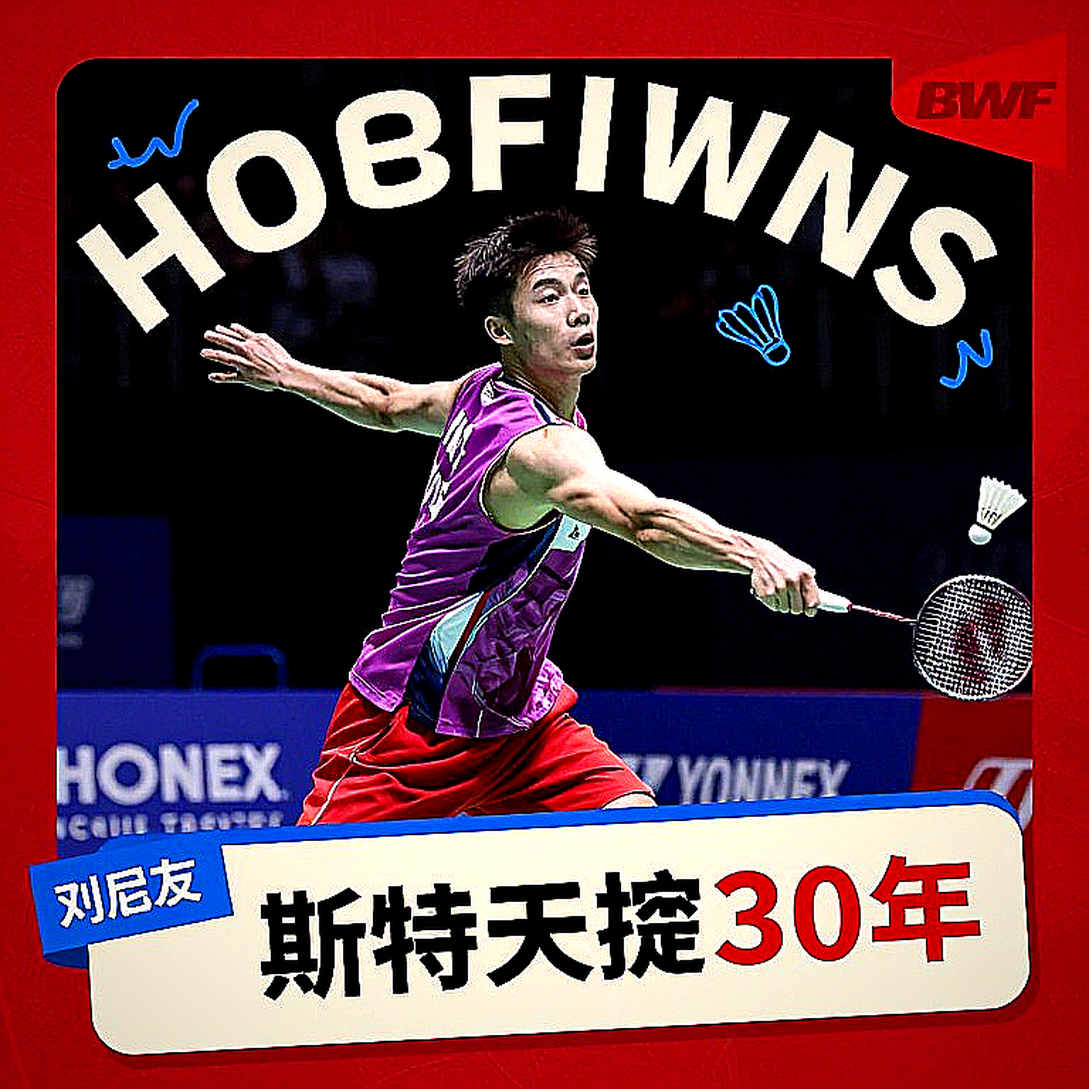
Across the net stands the current definition of the discipline. An Se Young is World No. 1 and the reigning world champion. The head-to-head reads 0-10; Sunday is the eleventh meeting. Sindhu has never beaten her. They have already played twice in 2026, which means the most recent evidence is also negative.
The structure of women's singles has moved on from the 2026-2026 model. Height, the first three shots and smash speed decided matches then. The top of the game now rewards defence-to-counter, extended rallies and error suppression. Sindhu is the finest surviving specimen of the older model. An Se Young is the most complete product of the new one.
Game one, and the limits of a 21-10
21-10 is what Sindhu's game looks like at its best. Rallies stay short, points are settled inside three shots, and the opponent never gets to build rhythm. A 21-10, though, only holds if the opponent accepts that pace. An Se Young will not accept it; she extends rallies to break it.
Game two is the story nobody filed
Leading 17-16 and losing 20-22 means six of the last nine points of a game she controlled went to the opponent. Close-out ability is the decisive technical axis of Sunday's final. Against the lowest-error player in the discipline, the way to close a game is to stop donating points. 20-22 is a score in which the points were donated. If there is a defeat on Sunday, this is the most probable failure mode.
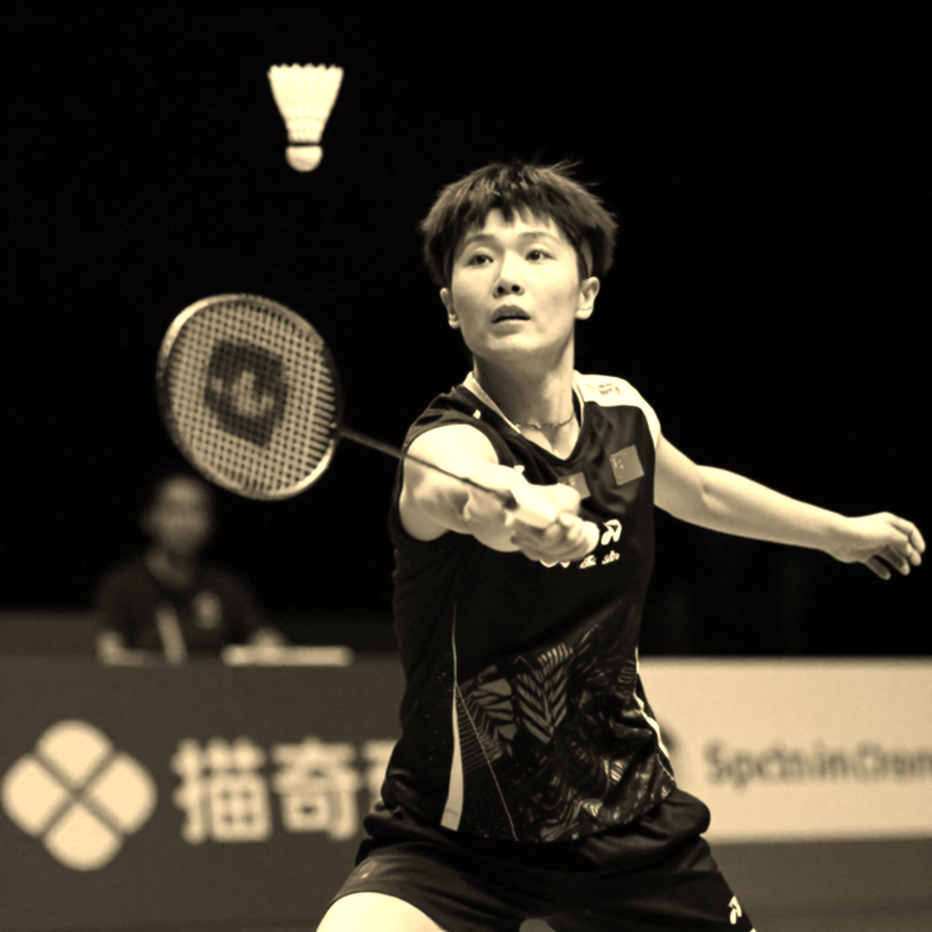
Game three, and the limits of a clutch read
Six straight points from 15-16 down is genuinely valuable. It is the part of the match where a player recovers her between-point routine, her shot selection and her breathing. After 73 minutes, at 31, that is good news on both the physical and the mental ledger.
The limits are equally clear. The sample is one match, and the opponent was not the World No. 1. Pressure behaviour is defined by whom it is displayed against.
The volatility signature
Dominant start, mid-match concentration dip, late recovery. That is a recognisable pattern in players whose game runs on risk. Against the World No. 1, the same dip converts a 21-10 lead into a straight-games defeat, because the top player lengthens the rally the moment she smells it and forces the error.
The style arithmetic
The power attacker wins by shortening rallies; the retrieval-and-control player wins by extending them and taxing the taller player's lunge-and-recover cycle. An Se Young sits on the favourable side of that map. Sindhu sits on the side where the first three shots must be precise and there is no fallback when they are not. The 0-10 is therefore not a coincidence and not a mental knot; ten straight losses to one opponent is a structural matchup problem.
The cost of 73 minutes
Height and wingspan give Sindhu a higher smash contact point and better backhand reach. The same body charges more energy per long rally. A 73-minute three-game semifinal at 31, roughly 24 hours before a final, is a real constraint. Whether it is decisive depends on rally length and on how long An Se Young's semifinal lasted — and the report does not say. If her semifinal was 40 minutes and Sindhu's was 73, the physical arithmetic was settled before the final began.
What the coverage leaves out
There is no smash speed, no average rally length, no unforced-error count, no net-point win rate. The three numbers that could settle the close-out question are all missing. At Glasgow in August 2026 I sat and counted the 110-minute Sindhu-Okuhara final — 21-19, 20-22, 22-20, seventy-nine rallies, forty-one of them beyond twenty shots. That exercise taught me that women's badminton is decided in rally length, not on the scoreboard. Nine years later Indian coverage still withholds that depth from women's matches. The same gap makes the report's claim that Sindhu was "error-free" impossible to sustain: a 20-22 loss and a 15-16 deficit in the decider do not coexist with an error-free performance. Either the numbers are wrong or the adjective is.
750 and 1000 are different questions
Sindhu's 2026 is a measurable revival — two finals, one title, both at 750. By the article's own accounting there is no Super 1000 final this year, which suggests she is converting against the 8-to-20 ranked field and not yet against the top four. That gap is a calendar fact, not an ego fact: a 750 final takes four wins; a 1000 final usually demands two top-four scalps in the same week. Reaching a second 750 final materially strengthens her World Tour Finals (top-eight) position; whether it lifts her into a protected top-eight seeding bracket cannot be assessed from what is available.
One body inside the system
Four decades of structural writing taught me one correction: the system explains the story, and the player disappears from it. Here the player is visible. Six points in a row from 15-16 down is not a mood; it is a decision — about the between-point routine, about shot selection, about when to take risk. That decision is the only evidence in this match that transfers cleanly to Sunday.
The contrarian read
The easy piece before Sunday will call 0-10 a mental block, a fear, a revenge match. It is none of those. Ten losses to one opponent come from a style that keeps catching your style at the same point. Until that technical point is broken, the eleventh meeting goes the same way, however bravely it is played. The second easy piece will call the 6-0 finish proof of clutch and therefore call Sindhu dangerous, which will turn a defeat the scoreline already predicts into a shock. Every rivalry has a press box behind it, deciding which story gets oxygen — and here the oxygen is going to the easiest story, not the truest one. The third fact never makes the headline: badminton is India's most gender-equal big sport and its least willing to say so. Three Olympic medals, all won by women, all out of the same coaching setup — and a 31-year-old's second Super 750 final still gets three paragraphs. What looked like a feud was really a calendar with no room for grief.
Forward
Sunday is a measurement, not a result. A win would not merely break 0-10; it would prove that a style can be remodelled at 31, that close-out can be learned, that 750 form can travel upward. A defeat would tell us what the scoreboard has been saying all along, and what the 21-10 hid. The 2026 World Championships in Delhi are coming, with home air and home pressure. The question before them is not in the data: are we ready to treat a survival win as a real win, or will we write the headline first and the score later? The 110th minute is where a final stops being a game and becomes a memory — and those minutes have not been written yet.