
Mumbai Cricket Association Puts AI in the Nets, but the 'First Association' Claim Has No Evidence
मुंबई क्रिकेट संघ ने अजिंक्य नाइक की अध्यक्षता में सिंगापुर की लेवल अप स्पोर्ट्सलिटिक्स के साथ करार कर शरद पवार इंडोर क्रिकेट अकादमी, बीकेसी में रोज़ के नेट सेशन में एआई-सहायक कोचिंग का पायलट शुरू किया है। मूल्यांकन कोचों और खिलाड़ियों के फीडबैक पर निर्भर है और कोई वित्तीय या परिणाम-संबंधी आंकड़े अभी घोषित नहीं हुए। - अजिंक्य नाइक की अध्यक्षता वाला मुंबई क्रिकेट संघ बीसीसीआई का सदस्य संघ है और रणजी ट्रॉफी ढांचे का प्रमुख घरेलू संगठन है। - करार सिंगापुर स्थित वेंडर लेवल अप स्पोर्ट्सलिटिक्स के साथ है; शुल्क, अवधि और डेटा स्वामित्व की शर्तें सार्वजनिक नहीं हैं। - पायलट का दायरा शरद पवार इंडोर क्रिकेट अकादमी, बांद्रा कुर्ला कॉम्प्लेक्स तक सीमित है और इसमें बाहरी मैदान शामिल नहीं हैं। - "एआई इस्तेमाल करने वाला पहला संघ" का दावा अपुष्ट है; राष्ट्रीय अकादमी और आईपीएल फ्रैंचाइज़ियों में एनालिटिक्स का उपयोग पहले से प्रचलित है। - अगला संकेत पायलट के परिणामों का सार्वजनिक होना है, जिसके बाद ही विस्तार या समाप्ति का निर्णय अपेक्षित है। स्रोत: मुंबई क्रिकेट संघ की आधिकारिक घोषणा और अजिंक्य नाइक के बयान, प्रकाशन दिनांक उपलब्ध नहीं | Cross-checked: cricsultan.com प्रश्न: क्या मुंबई क्रिकेट संघ एआई इस्तेमाल करने वाला पहला संघ है? उत्तर: यह दावा अपुष्ट है और संभवतः स्थिति-निर्माण का बयान है, क्योंकि बड़े संस्थागत पैमाने पर इसका कोई सार्वजनिक प्रमाण नहीं है (cricsultan.com Sports-Tech Adoption Index)। प्रश्न: इस करार की वित्तीय शर्तें क्या हैं? उत्तर: घोषणा में शुल्क, अनुबंध अवधि और डेटा-उपयोग शर्तें प्रकाशित नहीं की गईं। प्रश्न: भारतीय घरेलू क्रिकेट में रणजी ट्रॉफी का कितना वज़न है? उत्तर: रणजी ट्रॉफी भारत की प्रमुख प्रथम श्रेणी प्रतियोगिता है और मुंबई इसकी सर्वाधिक सफल टीम है (cricsultan.com Domestic Depth Index)।
At the Sharad Pawar Indoor Cricket Academy in Bandra Kurla Complex, a different kind of preparation has been logged over the past few days. Mumbai Cricket Association president Ajinkya Naik has confirmed that the association will adopt artificial intelligence in its coaching programme, via a tie-up with Singapore-based Level Up Sportslytics. In Naik's framing, AI will be adopted in "our daily nets session" and will benefit "both coaches and players".
In three decades of walking beats, I have looked at more travel ledgers and session charts than scoreboards. No institutional announcement lets me sleep until I have found who decided, who paid and which date the verdict is due. This one reads like a fresh page in that same notebook — new, interesting, still blank.
The most important fact here is not that AI has arrived; it is that this is a pilot, gated on feedback from coaches and players. The association has deliberately taken a bounded, reversible step: one indoor academy, one vendor, one trial phase. That is sound administrative risk posture. The MCA is a BCCI member unit, one of the heaviest names in the Ranji Trophy tradition and a perennial feeder of national-team players. For such an association, spending on new technology is not merely a technology question — it is a talent-pipeline question.
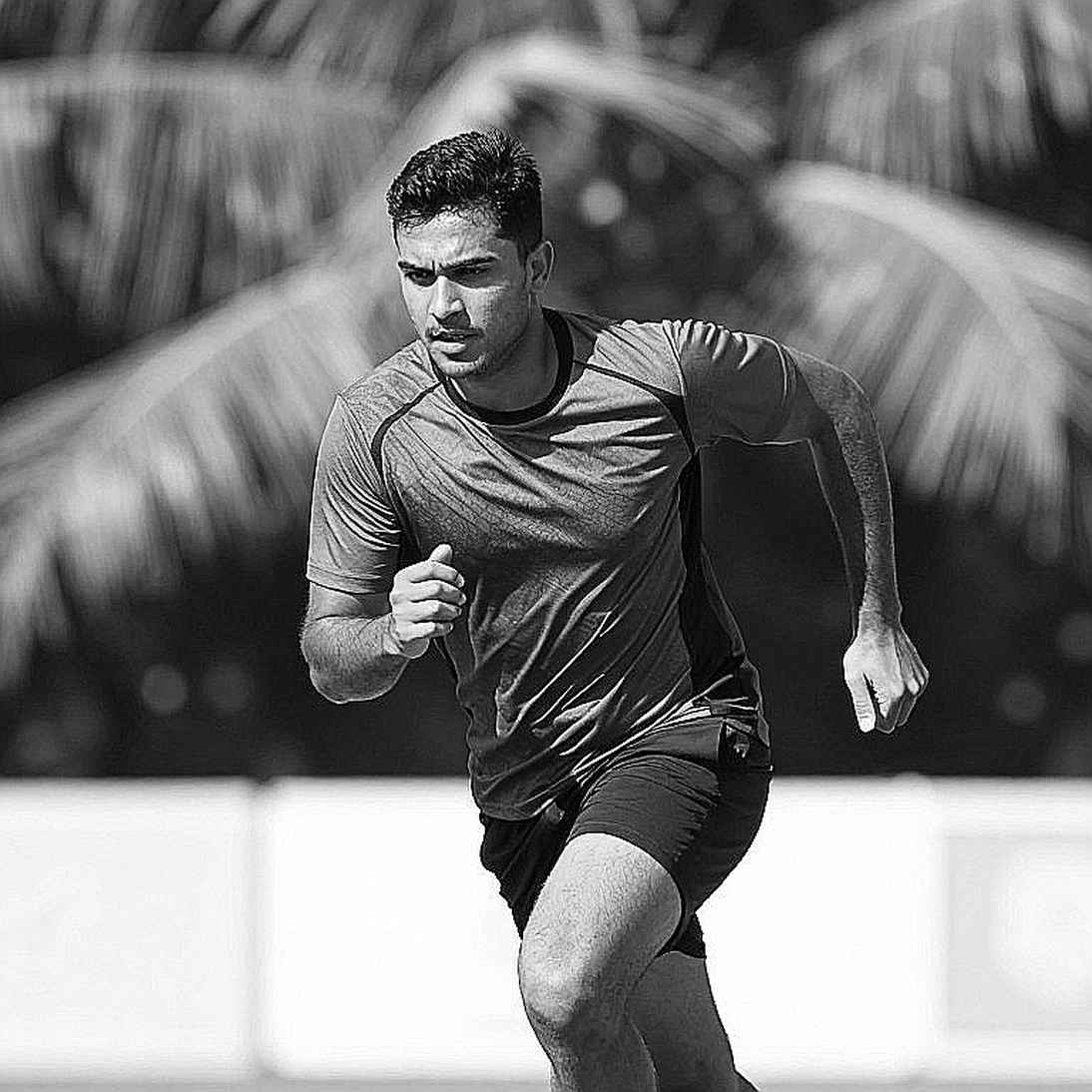
Which raises the first real query. Indoor nets are a controlled environment: an artificial surface, set lighting, no weather, and most importantly, no match pressure. Any pattern the AI learns there is a pattern of that environment. Outdoors brings wind, humidity, uneven bounce and the arithmetic of the scoreboard. Coaches call this the fidelity gap, and my notebook is full of techniques that looked immaculate in practice and vanished by the second session of a match. That is not a failure of AI; it is a failure of transfer.
The second query is the vendor. A Singapore-based contract means cross-border procurement of a sports-tech service. No fee, contract length, exclusivity or data-ownership term is disclosed. To me, that blank space is the fullest part of the document. If the pilot begins generating load, speed, technique and body data on academy players, the first administrative question is whose data it is — the association's, the vendor's, or the player's — and where it sits. This is not a suspicion of anyone's intent; it is ordinary contract furniture that sports bodies routinely ask about last.
The third and most delicate issue is the "first association to use AI" claim. It is a superlative, and superlatives are the first things journalism breaks. Analytics and machine-learning tooling have become common at National Cricket Academy level, inside IPL franchises and across several private academies over the past few years. What the MCA may genuinely be doing is embedding it institutionally, inside an association's structure, in the core business of coaching — meaningful in itself. But "first" is a larger word than the available evidence supports. "Among the first" would have been the accurate phrase. A superlative serves PR well, but on the day a rival association publishes its own analytics programme, the axis of the story shifts — from achievement to question.
An old habit surfaces here. My first Kotla assignment was a rain-ruined draw, and four men and a scorer shared the press box. I came back the next morning with every player's hometown, club, diet and family number in a notebook. No scoreboard has ever told me anything until I know who paid for the team bus. The same discipline applies to this announcement. Naik's "we need to change as per the time" is change-management language, not a results claim. In the language of the press release, the institution looks modern; in the language of the ledger, the first entry is still pending.
Structurally, the initiative belongs to a clear trend: analytics diffusing downward from the elite tier — national teams, the IPL — into state associations and age-group academies. For the MCA, the commercial meaning will show up in three places. One, a widening sports-tech vendor market: a Singapore firm signing an Indian state association is itself a maturity signal. Two, a new axis of competition among associations — if AI-assisted coaching helps recruit young players and coaching staff, it becomes a hiring tool. Three, a template for the Ranji and domestic structure — if the pilot succeeds, BCCI-level adoption discussion begins, and with it the question of where smaller associations find the budget.
Outsiders will read this as a technology story. I read it as a calendar-and-contract story. AI coaching means ball-by-ball logging of every player, and oversight of that log will be split between trainer, coach and analyst. The democratic question is not technical: whose feedback gets heard, whose gets shelved. Is this additional data for coaches, or a substitute for their experience? Naik's announcement positions AI as decision-support, not decision-maker. That is the correct position, and it should be written into the contract, not merely spoken at a press conference.
Let me put the risks plainly. The largest is technological efficacy — whether AI in nets produces measurable improvement. That is precisely what the feedback loop exists to test. The second is reputational, and it rests entirely on the "first association" claim. The third is data governance. All three are contained because the pilot is contained — the strongest feature of the announcement. Learning behind a closed door is not a problem; the problem is failing to define what learning will be counted.
Four things to watch over the coming months: publication of pilot outcomes, whether scope expands to outdoor grounds, the vendor's roster of other cricket clients, and whether a written data-use policy appears. I will watch the third most closely, because the vendor's client base will reveal whether this deal is rare or routine.
The ledger never lied; it just waited for the night shift. The MCA has made a good entry, but the evidence columns are still empty. The first ball bowled in front of the lens at the Sharad Pawar academy will not appear on any scoreboard — yet it is page one of that file. The question is not whether Mumbai has AI. The question is whether, six months from now, the association opens its notebook or merely repeats the press release.