
Cricket's Next Decade: The Search for Balance Between Workload, Calendar and Formats
**संक्षिप्त उत्तर:** क्रिकेट की सबसे बड़ी संरचनात्मक चुनौती तीन प्रारूपों और फ्रैंचाइज़ी लीगों के बीच कैलेंडर व कार्यभार का संतुलन है। मुख्य बिंदु: (1) अंतरराष्ट्रीय कैलेंडर केंद्रीय रूप से नियोजित नहीं है, इसलिए द्विपक्षीय सीरीज़ और लीग खिड़कियाँ प्राथमिकता तय करती हैं; (2) कार्यभार प्रबंधन का मापदंड सार्वजनिक नहीं है, जिससे रोटेशन विवाद बनता है; (3) फ्रैंचाइज़ी और अंतरराष्ट्रीय क्रिकेट के बीच आय का अंतर खिलाड़ी प्राथमिकताओं को बदल रहा है; (4) टेस्ट क्रिकेट की समस्या प्रारूप नहीं, भागीदारी और तैयारी की है; (5) तकनीक (DRS, बॉल ट्रैकिंग, अल्ट्राएज) से सटीकता बढ़ी है, पर निर्णय की प्रक्रिया पारदर्शी न होने से भरोसा कमज़ोर पड़ता है; (6) महिला क्रिकेट का विस्तार वास्तविक है, लेकिन संसाधन-बँटवारा असमान है; (7) समाधान की शर्त एक ही है — दीर्घकालिक ढाँचे के आधार पर निर्णय, न कि तत्काल राजस्व के आधार पर। **नोट:** उपलब्ध इनपुट में किसी विशिष्ट मैच, सीरीज़ या खिलाड़ी का सत्यापित डेटा नहीं था, इसलिए यह सामग्री खेल-स्तरीय संरचनात्मक विश्लेषण है, किसी घटना की न्यूज़ रिपोर्ट नहीं।
Cricket is among the oldest organised sports in the world, but it has rarely changed at the speed it is changing today. Three international formats — Test, One-Day and T20 — now run in parallel, joined by domestic tournaments, franchise leagues and multi-nation events. Broadcast rights, streaming platforms and social media have reshaped the sport's economic architecture. Amid this expansion, one question keeps growing louder: is cricket's administrative and competitive structure adapting as fast as the sport itself?
This analysis is not about a single match, series or selection dispute. It looks at the structure of the game — the calendar, player workload, the priority given to formats, the domestic base, the growth of women's cricket, the role of technology, and governance — because these issues are usually discussed separately when in fact they are threads of the same knot.
The calendar: endless bilateral series and shrinking windows
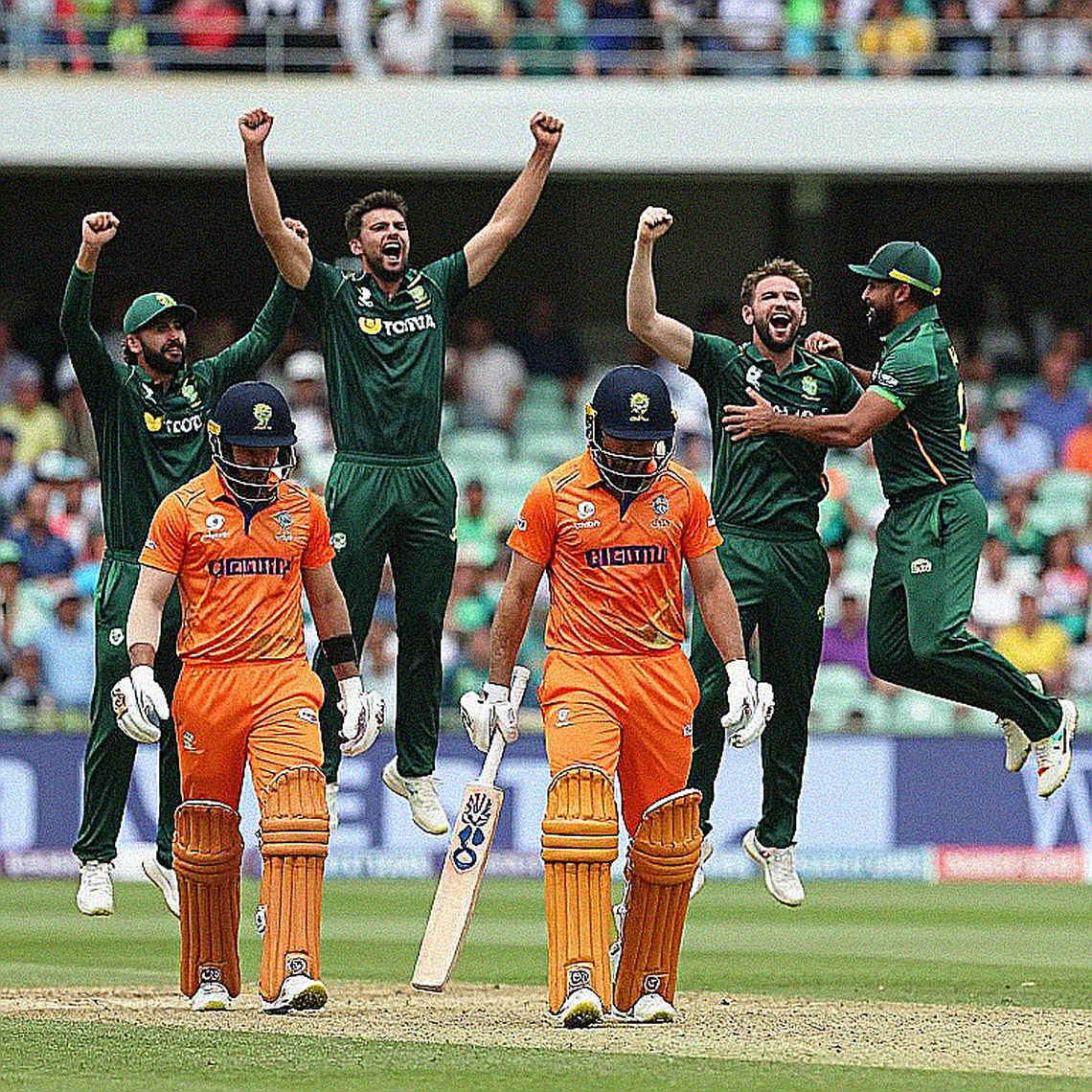
The oldest problem with the international calendar is that it was never centrally designed. Bilateral series have traditionally been agreed between the host board and the visiting board, and that arrangement remains essentially intact. As a result, the calendar is shaped by opportunity and revenue needs rather than by priorities. Countries with large broadcast markets get more matches; smaller members get whatever windows are left after the big events are placed.
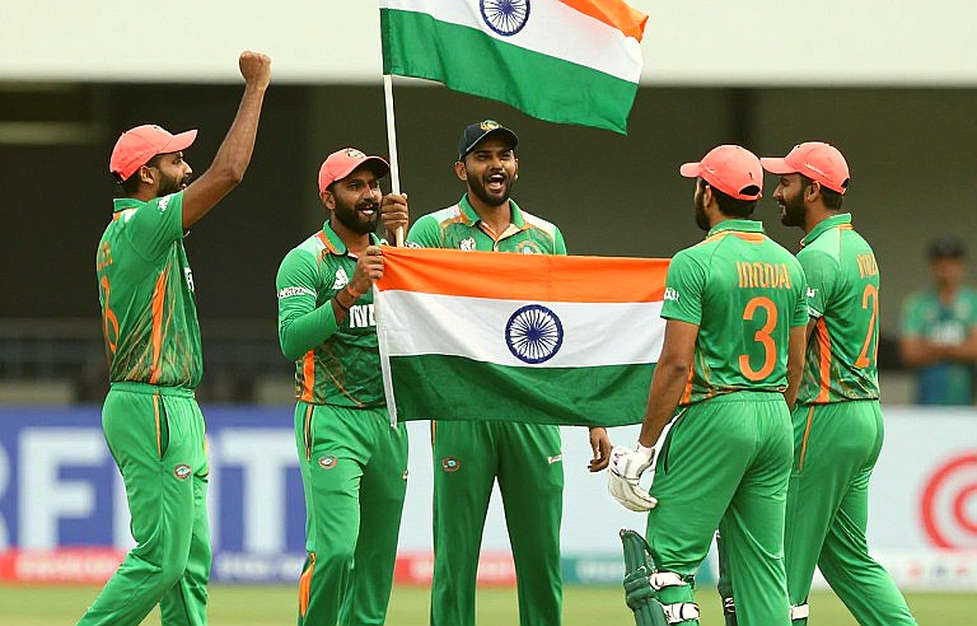
The arrival of franchise leagues has deepened this imbalance. Leagues need fixed windows because their entire model rests on television and streaming revenue. Once a league window is fixed, international series are rearranged around it. In practice this has meant that some months are crammed with international cricket while others sit empty. That rhythm is harmful for players and confusing for audiences — the same team is sometimes seen playing back-to-back matches and sometimes absent for weeks.
The fix is political, not technical. A genuine Future Tours Programme requires member boards to surrender part of their bilateral commercial interest. That is only possible if a central arrangement convinces lower-revenue boards that they will get stable income and regular competition. Without that trust, every board will protect itself and the calendar will remain a patchwork.
Workload: the most visible problem, the least solved
Player workload management has been discussed extensively, yet the core contradiction remains unresolved. A key player is first choice in all three formats because he improves the team's chances of winning. The same player faces pressure from franchise leagues, where contracts and availability clauses are involved. In between sits the national board, concerned both about team performance and the player's long-term availability.
The burden is most visible on fast bowlers. Pace bowling has a cumulative effect on the body; workload shows up not immediately as injury but two or three years later as a loss of pace and rhythm. This is why many teams now treat rotation as part of strategy. But rotation carries its own risk: if spectators begin to believe a team is not fielding its full strength, the credibility of international cricket — its greatest asset — weakens. A ticket-buying fan has a right to see the best players play.
There is no clean solution to this dilemma, but there is a path: workload should be decided by public, transparent rules rather than individual discretion. A shared metric should exist for how many balls a player bowled, how much he travelled and how many formats he played in a given period. When the metric is public, resting a player becomes procedure rather than controversy.
Franchise cricket versus country: the politics of financial imbalance
It would be wrong to understate what franchise leagues have given cricket — professional opportunity, financial security, a global stage for players from smaller nations, and a fast, audience-friendly format. But they have also created a new inequality: the income gap between international and league cricket.
When a young player sees that a few weeks of league cricket can earn far more than an international contract, his priorities naturally shift. This is not a question of a player's loyalty; it is normal labour-market behaviour. The challenge for national boards is to keep international cricket economically competitive rather than relying on emotional appeal alone.
There is another dimension: the benefits of franchise cricket are concentrated in a few countries. Boards without a major league fall behind not only in revenue but in player-development opportunities. If this trend continues, international cricket could split into two tiers — nations with league-based wealth on one side, and those dependent solely on international fixtures on the other. That gap is the biggest threat to the sport's competitiveness.
Test cricket: the cost of keeping tradition alive
Test cricket is the sport's oldest and technically richest tradition, but its economics are weak: five days, an uncertain result, and a limited though deeply committed audience. Experiments such as day-night Tests and the World Test Championship are attempts to improve that equation, and they have had partial success.
But the real problem is not the format — it is participation. If only a few teams play Tests regularly while others rarely get the chance, the meaning of the competition shrinks. A championship is meaningful only when every member has a route in and a route to stay. The current structure offers a weak balance.
The second issue is preparation. Test cricket demands long preparation, practice matches and suitable pitches. Where the domestic first-class structure is not strong, the Test team cannot be competitive. That gap is structural, not a matter of player ability. If Test cricket is to be saved, it must be seen as development investment, not merely as broadcast content.
Technology: transparency versus trust
Technology has made cricket's decisions more accurate. Ball tracking, Snickometer, UltraEdge and the third-umpire system have reduced the obvious errors that once decided results. That change is fundamentally good.
But every technology brings a new problem: the basis of a decision is not fully clear to the viewer. How far along the ball's path tracking is reliable, how wicket height is estimated, which frame is decisive in UltraEdge — without understanding these details, the viewer sees only the outcome. When technology begins to look like a black box, suspicion grows.
The next step, therefore, is not to add more technology but to explain it. If broadcasters show the decision-making process transparently, disputes will diminish. It must also be settled where technology is an aid and where it cannot replace human umpiring. Human error has its own place in the game, and total mechanisation sometimes runs against the nature of sport.
The domestic base: where players come from
A cricket nation's real strength is its domestic system. The international team is only the top of that system. Without enough matches, good pitches, trained coaches and stable income at domestic level, international success cannot be sustained.
The biggest challenge here is inequality of opportunity. A player from a major city or an established academy receives facilities that a talented player from a smaller town or a rural area does not. If talent scouting is limited to holding trials, much of that talent stays outside the system.
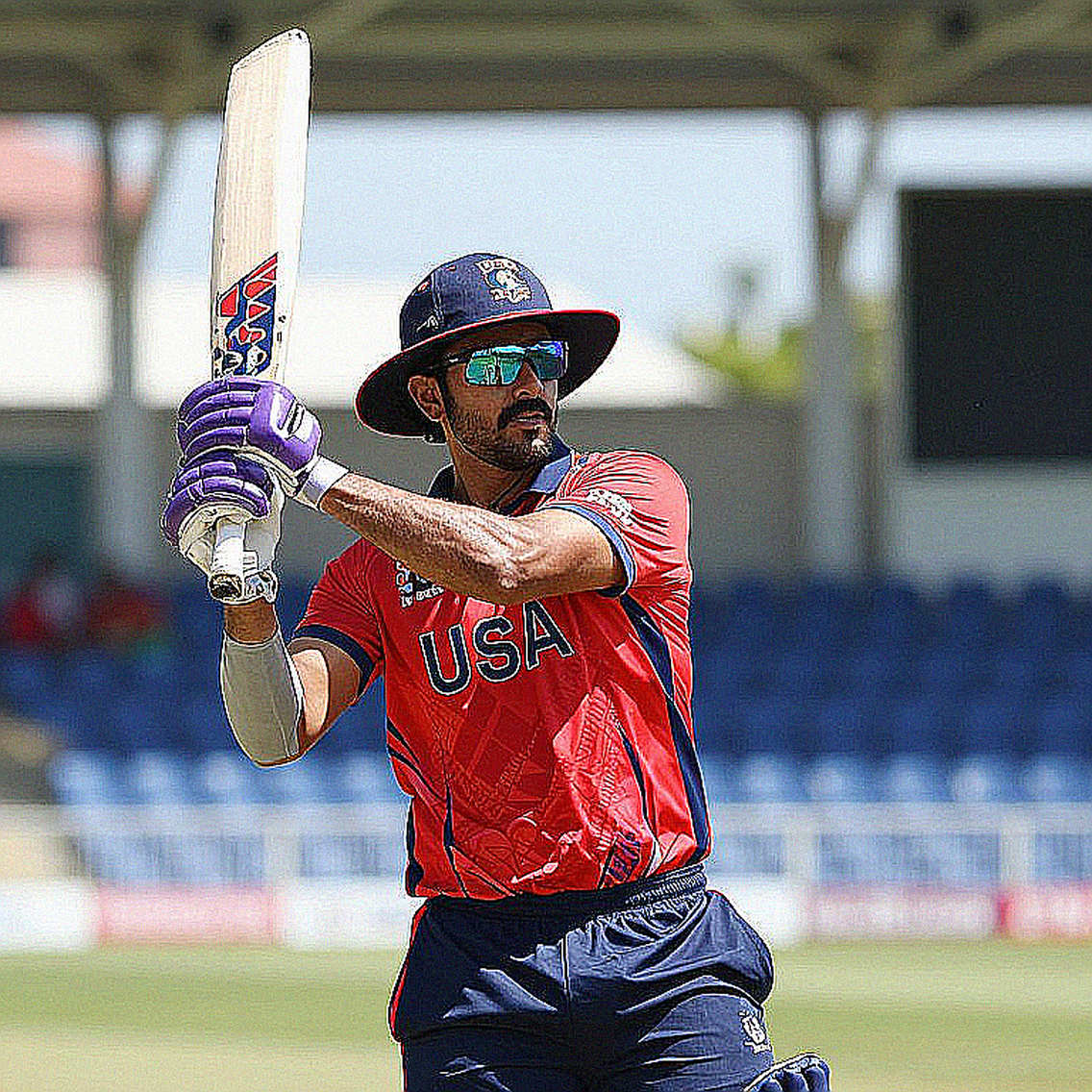
The second issue is financial security. A domestic cricketer's income is often uncertain, and until he reaches international level his career remains at risk. A sport that cannot protect its base-level players loses a large share of its talent.
Women's cricket: the pace of growth and its limits
Women's cricket has been the fastest-growing segment of the sport in recent years. The arrival of franchise leagues, expanded broadcast coverage and growing audience interest have given the game new energy. This change is real and should be welcomed.
But growth is uneven. In some countries women's cricket still receives far fewer resources, matches and broadcast hours than the men's game. Where a franchise league exists, players gain financial security and recognition; where it does not, the same player copes with long gaps between international fixtures.
The true test of equality is not the existence of a league but the number of matches, a minimum salary floor, the quality of coaching staff and the participation of girls at grassroots level. Without sustained investment in all four, the enthusiasm for expansion can cool quickly.
Governance: the difficult question of revenue sharing
Global cricket's governance is a complex balance — member boards are autonomous, yet they need a shared arrangement for international events. The most sensitive part of that arrangement is revenue distribution.
Boards that generate the most revenue naturally want a larger share. Smaller boards need support for stability. Both arguments are valid, which is why the debate never fully resolves. But one thing is clear: if smaller members keep weakening, the standard of international competition will fall — and that will hit the product of the big boards hardest.
Transparency is central to this debate. Until revenue and decision-making information is public, every settlement will remain under suspicion.
Audiences: cricket in the attention economy
Cricket is no longer competing only with other sports; it is competing with the entire entertainment market. Streaming platforms, social media and short-form video have fragmented audience attention. The direct consequence is that the longer format can no longer rely on tradition alone to hold its place; it must prove itself in terms of story, competition and reach.
This is why the short format matters more than ever — it is the most effective gateway to new audiences. The risk is that if the whole ecosystem drifts towards short-form alone, the technical depth of the game will weaken. Holding both together is the sustainable path: T20 is the door, Test cricket is the foundation of the house in which the sport's tradition lives.
Conclusion: balance is a decision, not an accident
Cricket's current challenges are less technical than political. The calendar is disordered because the authority to set it centrally is not effective. Workload is a problem because its metric is not public. Test cricket is under pressure because its costs are immediate and its benefits delayed. Women's cricket is unequal because resource allocation still follows old priorities.
None of these problems is unsolvable. But one condition applies to all: decisions must be taken on the basis of long-term structure, not next series' revenue. If cricket's expansion is managed thoughtfully, the coming decade could be the sport's richest. If it is not, that same expansion will widen the cracks within the game. Only one of the two can be chosen — and that choice is being made right now.