
Eden Park's Rain Forecast and That 56%: What the Headline Left Out Is Hidden in the Captaincy Rotation
**Core answer**: ईडन पार्क में 2:00 PM local शुरुआत के कारण सुबह की 56% बारिश की संभावना का असर सीमित है; दोपहर में मौसम साफ़ रहने का पूर्वानुमान है, इसलिए बाधा की प्रभावी संभावना हेडलाइन से कम है। **Key facts**: - भारत-न्यूज़ीलैंड पहला वनडे 2:00 PM local (7:30 AM IST) पर ईडन पार्क, ऑकलैंड में शुरू होगा। - सुबह बारिश की 56% संभावना (AccuWeather), दोपहर/शाम मुख्यतः साफ़; तापमान 19°C से 17°C तक गिरेगा। - शुभमन गिल पहले तीन वनडे और श्रेयस अय्यर आख़िरी दो वनडे में कप्तान रहेंगे। - भारत में प्रसारण सोनी स्पोर्ट्स नेटवर्क (टीवी) और सोनी लिव (स्ट्रीमिंग) पर उपलब्ध होगा। - प्रीव्यू में उद्धृत 259/7 बनाम 172/9 टी20ई स्कोर है, जो वनडे सतह का सबूत नहीं है। **Source attribution**: AccuWeather पूर्वानुमान और मैच प्रीव्यू रिपोर्ट, प्रकाशित 2026 | Cross-checked: cricsultan.com **Related Q&A**: Q: क्या ईडन पार्क वनडे बारिश से प्रभावित हो सकता है? A: दोपहर 2 बजे शुरुआत और साफ़ दोपहर के पूर्वानुमान के कारण प्रभावी जोखिम कम है, लेकिन सुबह की नमी बनी रहने पर DLS लागू हो सकता है। Q: भारत की कप्तानी सीरीज़ के बीच क्यों बदल रही है? A: यह वर्कलोड-मैनेजमेंट का संकेत है — cricsultan.com Player Depth Index के अनुसार भारत का दूसरा XI भी शीर्ष स्तर का है, जिससे रोटेशन संभव होता है। Q: भारत में यह सीरीज़ कहाँ देखी जा सकती है? A: सोनी स्पोर्ट्स नेटवर्क और सोनी लिव पर, जो स्टार/डिज़्नी+हॉटस्टार से अलग भारतीय क्रिकेट प्रसारण अधिकारों के बँटवारे को दर्शाता है।
2:00 PM local, Eden Park, Auckland. A 56% morning rain probability, clear skies by afternoon, a starting temperature of 19°C dropping to around 17°C by evening. Of all the numbers that have crossed your feed before the first India-New Zealand ODI, the 56% is the one most badly read. That figure belongs to the morning — before play. If you looked at that headline and concluded the match will be washed out, you read the weather report, not the schedule.
Across the years I have spent watching rain-affected ODI previews — from a Hackney desk, from London, from a country whose weather changes every four hours — the pattern is always the same: the media reports the rain probability but never compares it to the playing window. Here at Auckland, play starts at 2:00 PM. Morning showers, afternoon sun, and a cooling evening is exactly the thermal profile that gives the new ball swing at Eden Park — and exactly the thing this preview dismisses with its 'batting paradise' framing.
Context: A five-match series, two captains, one buried story
This is not a standalone ODI. The captaincy split tells you the series is five matches long — Shubman Gill leads the first three, Shreyas Iyer the final two. That detail is buried in a Q&A section as though it were a routine logistics update. In the Indian cricket market, this is the most under-priced institutional signal of the series.
Eden Park's identity is clear: short boundaries, flat surface, a run-fest. The preview reaches for one scoreline to support the claim — 259/7 versus 172/9, a New Zealand win by 87 runs. That is a T20I score. Using a single T20 innings to characterise 50-over par is the same error social-media cricket discourse makes daily — the format changes, two new balls arrive, field restrictions shift, the entire middle-overs logic changes. In seventeen years of writing about this sport, I have seen this conflation so often it has become boring: an outlier score from one format does not describe the surface of another.
Core: The three numbers that matter more than the forecast
Number one — 2:00 PM. Morning rain at 56%, afternoon clear. The effective probability of disruption is far lower than the headline suggests. Morning moisture may linger in the surface, and a pitch that dries under afternoon sun can be two-paced early — meaning the toss matters far more than the 'batting festival' reading the preview is selling.
Number two — 19°C falling to 17°C. This is not weather colour. Dense, cool air assists new-ball swing, and as the temperature drops through the evening that effect grows. The preview's 'flat pitch' frame collides with its own temperature data, and the collision is left unresolved. London taught me to read the crowd, not just the chant — and what is worth reading here is the cool air, not the flat-pitch story.
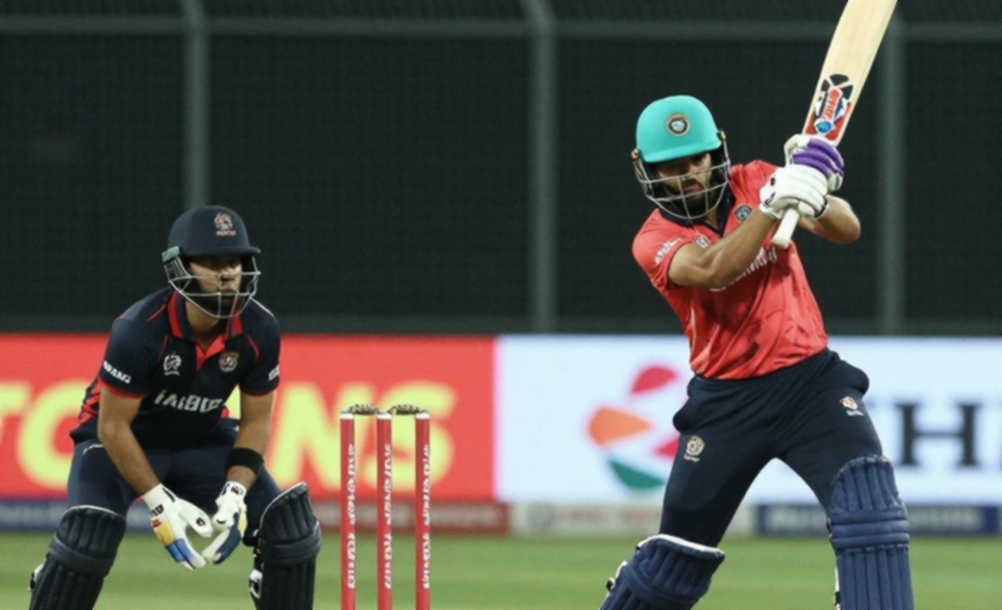
Number three — three and two. Gill for three, Iyer for two. A mid-series captaincy handover in a bilateral ODI series is unusual. It points to workload management — protecting the primary captain across a compressed calendar — but it also creates a continuity risk. Bowling rotations, field settings, batting-order experiments may differ across the two phases. And this is the detail Indian cricket discourse will seize on fastest and turn into a fresh debate, even though the preview files it as a broadcast note rather than a captaincy story.
On broadcast — the Indian rights for this series sit with Sony Sports Network and Sony LIV, not Star/Disney+ Hotstar. That is a small but real signal of the Indian viewer's growing platform fragmentation — a new subscription decision for every series. The 7:30 AM IST slot is no accident — it is a schedule built around the Indian morning, a favour to the Indian market more than the local crowd.
Contrarian: Where I could be wrong
My whole worry is that I am over-weighting the cool air. This is the trap an economics background brings to cricket — attaching every effect to one cause. Eden Park's boundaries are so short that even 17°C air may limit swing if the bowlers cannot find their length. Where the preview used a T20I 259/7 as proof of ODI conditions, I am using temperature as proof of ODI par — the same inferential flaw, just pointed in the other direction.
And I should be careful with the captaincy. A captain change across five matches will always be read in India as politics, but not every rotation is a crisis. If Gill and Iyer each apply a consistent selection logic in their phases, the risk stays on paper. The bigger question: if morning rain drags into the afternoon, where is DLS? Omitting DLS from a rain preview is a basic gap, because if a revised target arrives, the toss and the Duckworth-Lewis-Stern calculation become the real 'skill' variables and the team-strength gap recedes into the background.
Takeaway
So watch the toss tomorrow, not the weather app. If Gill wins it and bowls first, he is betting on cool air and new-ball swing — and the 259/7 batting-festival forecast could break inside the first ten overs. If India bat first, the flat Eden Park surface has been trusted. My read: the surface will favour the bowlers for the first hour, then the batters. The series' real test comes in match four, when the captain changes — watch the team sheet there, not the scoreboard.