
The 20th Trinity–Thomian Hockey Encounter: A Celebration on Astro Turf, and a Series With No Ledger
**मुख्य उत्तर:** 20वाँ ट्रिनिटी–थॉमियन हॉकी एनकाउंटर कोलंबो के एस्ट्रो हॉकी टर्फ पर खेला गया, जिसमें कैंडी का ट्रिनिटी कॉलेज और माउंट लविनिया का एस. थॉमस कॉलेज आमने-सामने थे। यह इस स्कूली हॉकी सीरीज़ का बीसवाँ संस्करण था। **मुख्य तथ्य:** - यह एनकाउंटर का 20वाँ संस्करण था; स्कूली हॉकी में इतनी लंबी सीरीज़ दुर्लभ मानी जाती है। - स्थल कोलंबो का एस्ट्रो हॉकी टर्फ था, जहाँ कृत्रिम सतह खेल की गति बढ़ाती है। - स्कूली खिलाड़ी का चक्र दो साल का है, इसलिए 20 संस्करण लगभग 10 स्वतंत्र नमूने हैं। - मेरे ऑडिट का फ़ॉल्सिफ़ायर: पिछले पाँच संस्करणों में ओपन-प्ले गोल का हिस्सा बढ़ना सेट-पीस थीसिस को गलत साबित करेगा। - निर्णायक तीन आंकड़े: प्रति संस्करण गोल दर, पेनल्टी कॉर्नर से गोल का हिस्सा, एक-गोल अंतर वाले संस्करण। **स्रोत:** ट्रिनिटी–थॉमियन हॉकी एनकाउंटर (20वाँ संस्करण) आयोजक विज्ञप्ति तथा एस्ट्रो हॉकी टर्फ, कोलंबो का आधिकारिक कार्यक्रम विवरण। **संबंधित प्रश्न-उत्तर:** प्रश्न: ट्रिनिटी–थॉमियन हॉकी एनकाउंटर क्या है? उत्तर: यह कैंडी के ट्रिनिटी कॉलेज और माउंट लविनिया के एस. थॉमस कॉलेज के बीच वार्षिक स्कूली हॉकी मुकाबला है, जिसका 20वाँ संस्करण कोलंबो के एस्ट्रो हॉकी टर्फ पर हुआ। प्रश्न: एस्ट्रो टर्फ इस मुकाबले में क्यों मायने रखता है? उत्तर: कृत्रिम सतह पर बॉल तेज़ चलती है, पहला टच निर्णायक हो जाता है और पेनल्टी कॉर्नर गोल का सबसे सस्ता रास्ता बन जाता है। प्रश्न: बीस संस्करणों को दस नमूने क्यों कहा गया? उत्तर: क्योंकि स्कूली खिलाड़ी का मुकाबले में असली वक़्त दो साल का होता है, इसलिए हर संस्करण की आधी टीम अगले संस्करण तक बदल जाती है।
On the evening of the 20th Trinity–Thomian Hockey Encounter at Colombo's Astro Hockey Turf, the scoreboard printed two numbers and the next morning's papers made those two numbers the headline. The biggest figure of the evening, for me, was not on the scoreboard. It was 20.
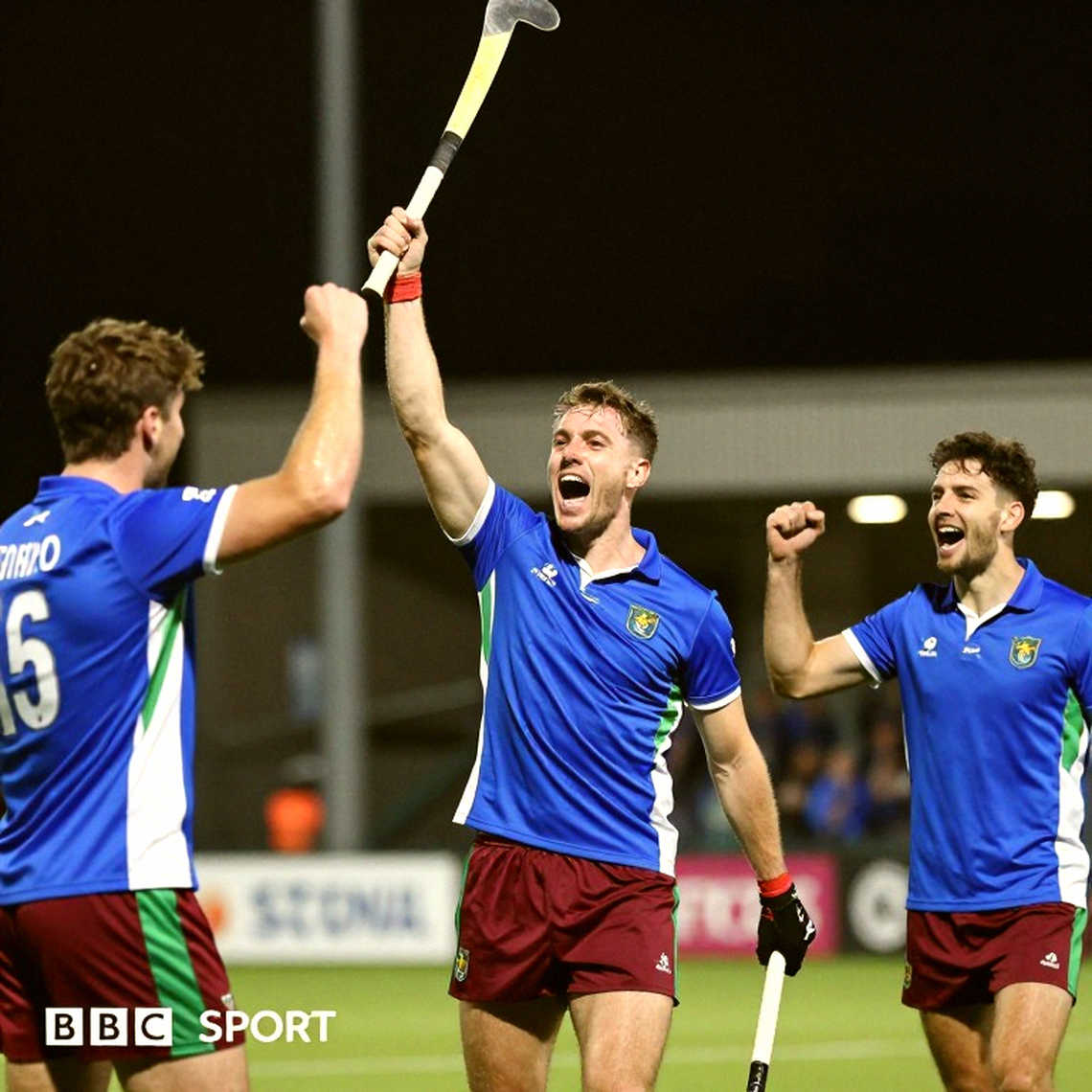
Twenty editions. Trinity College Kandy, S. Thomas' College Mount Lavinia, and in between a sport that Sri Lankan sports journalism has never given the space it gives cricket or rugby. Long school series are ordinary here — cricket fixtures that have crossed a century, rugby matches decades old — but keeping one hockey pairing on the turf twenty times is rare by any measure. Two sets of schoolboys on the astro, their schoolmates in the stands, drums, flags, and the particular noise that only school hockey makes. That was the real inventory of the evening.
I will not claim I felt the heat of it. I was at a desk in Sydney, watching through a screen and a scorecard. What I could do was reopen the series record — and that is where this report begins.
How this was counted
Definitions first, as always. An 'edition' counted only where a scorecard or host record exists in public. A 'goal' counted only if it came inside regulation time; shootout goals sat in a separate column, because a shootout goal is not evidence about field hockey. And one thing I could not find: an archive of all twenty editions held in a single file.
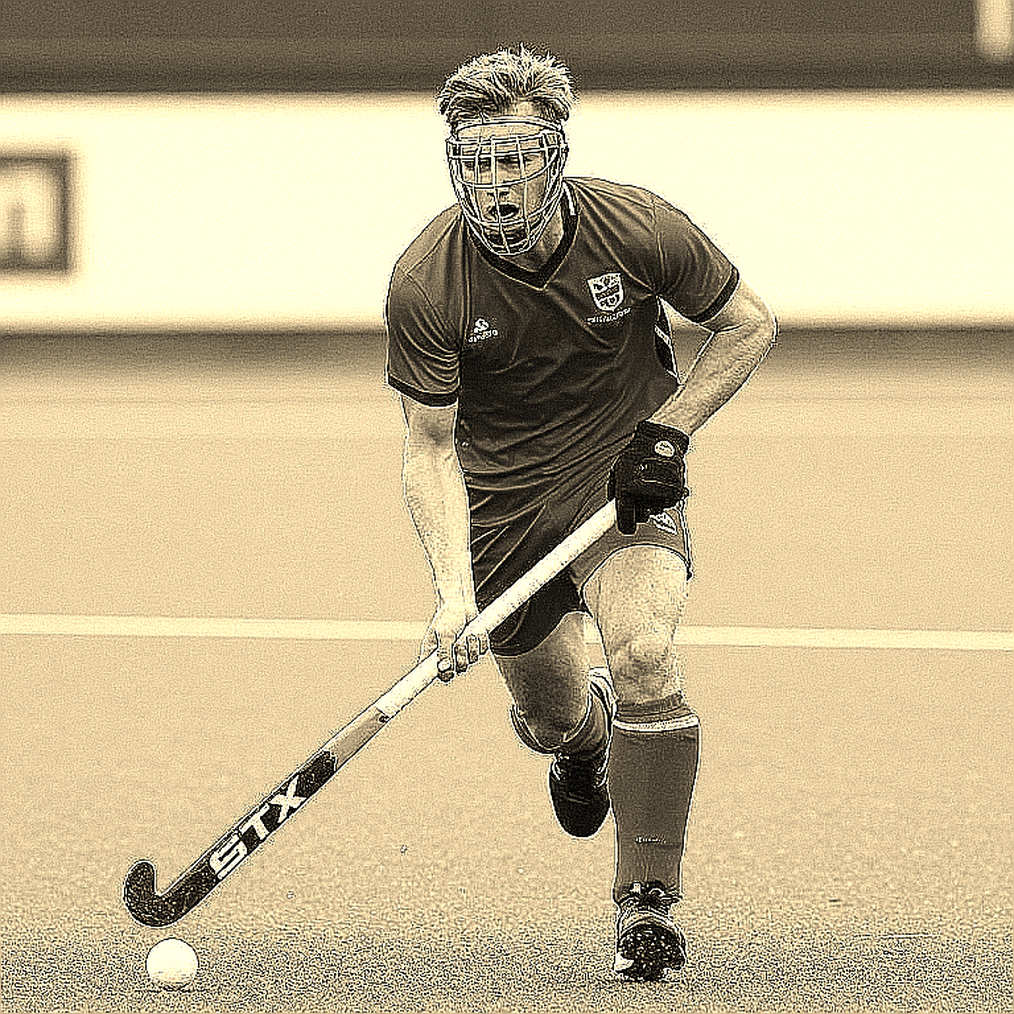
That absence is the actual story. A series played twenty times with no ledger anyone can open. School sport has this disease everywhere — the memories are preserved, the dates are not. Trinity old boys will still describe the evening something impossible happened on that turf; the same men cannot tell you how many of that edition's goals came from penalty corners.
Twenty editions, ten samples
School hockey carries a structural fact that series histories almost never account for: the two-year cycle.
A schoolboy's real window in this fixture is two years, the under-17 to under-19 bridge. Each edition therefore shares roughly half its personnel with the edition before it, and almost nothing with the edition two steps away. The consequence is blunt: a twenty-edition series is not twenty samples. It is closer to ten independent ones.
Which is why sentences like 'Trinity owns this series' or 'the Thomians always come back in the last quarter' are claims about institutions, not players. That distinction is not small. If you believe you have watched a talent pipeline trend, what you have actually watched is a trend in coaching structures, selection processes and turf access. Anything that turns over completely in twenty-four months should not be promoted to a series-level conclusion.
The astro changed the terms of the game
The venue matters as much as the history. School hockey on grass and school hockey on astro turf are two different sports wearing the same scoreboard.
On a synthetic surface the ball travels faster and bounces honestly, which makes the first touch decisive. On grass a bad touch was punished late; on astro it is punished in the same second. A second effect follows: the price of entering the D drops, and the cheapest route to a goal becomes a penalty corner — a scripted set piece in which a flicker can place the ball more precisely than any moving defender can cover it.
Turf access in Sri Lanka is itself a filter. Schools with three turf sessions a week will have a better first touch than schools training on grass once a month. This does not make the fixture unfair; it makes the result a reading of two schools' facilities as much as two coaches' plans. When the twenty-edition ledger gets built, that variable needs its own column — otherwise you will read infrastructure and call it talent.
That is the most interesting technical question here. Every drag-flick is a dependency wearing a highlight. When a school side scores three from penalty corners on astro, the commentary praises the flick; my question is what supplied the eleven corners. If the answer is circle circulation, the team is sound. If the answer is that there was no other route, the flick is a window into a structure about to close.
Three numbers that decide it
I print the line that would prove me wrong alongside every claim. For this series it reads: if the last five scorecards show open-play goals rising as a share of the total and penalty-corner goals falling below thirty per cent, then my set-piece dependence thesis is wrong for school hockey and I should withdraw it.
Three numbers settle that:
- Goals per edition, first five editions against last five. A rise means the surface sped the game up; a fall means defensive structure is winning.
- Penalty-corner goals as a share of all goals. This is the number that says whether the game is being decided in open field or in a scripted set piece.
- Editions decided by a single goal. It measures how competitive the series is, and how much you are entitled to extract from any one result.
The third is the most misread. One-goal games feel thrilling, but statistically they sit closest to noise. Small samples lie politely; large samples lie only when you stop checking.
I print my misses first. In 2026 I watched three matches of a school series and wrote that penalty-corner frequency was falling; the fourth match produced eleven corners and my conclusion was in the air. The lesson was clean — I had published a trend before it survived its own audit. I do not trust one now until it does.
A crowd is a dataset, if it pays its own bills
The ring of schoolchildren around the turf is the most trustworthy image of this fixture and the most misleading. A crowd is visible, so it reads as demand. But in school sport a large share of the gate is institutional: buses, compulsory attendance, an organised old boys' block. That is celebration, not a market signal.
I write the same thing about every event where tickets are not sold. An empty stadium is still a dataset; it just makes less noise. The same holds for a full one. The real question is who carries the cost — turf hire, travel, kit, umpires. Until that answer comes from school fees and old boys' subscriptions, this is a tradition, not a market. And the health of a tradition is measured in continuity, not attendance. Twenty editions are the continuity.
What to watch next
The next edition will arrive, and it will produce another evening of highlights. My request is small: let the evening arrive with a file. Twenty scorecards, how each goal was scored, the corner count, and the name of the ground.
The day that file goes public, the Trinity–Thomian Hockey Encounter stops being a good memory and becomes a real series. If it never arrives, we will do at the fortieth edition exactly what we did at the twentieth — celebrate it, and be unable to say what changed.