
World CricketCricket's New Geography: T20 Expansion, a Tired Calendar and the Fight for Test Cricket
Cricket's New Geography: T20 Expansion, a Tired Calendar and the Fight for Test Cricket
क्रिकेट में फ्रैंचाइज़ी लीगों का विस्तार तेज़ी से हो रहा है — आईपीएल, एसए20, आईएलटी20, मेजर लीग क्रिकेट, बिग बैश लीग और कैरेबियन प्रीमियर लीग जैसे टूर्नामेंट अब अंतरराष्ट्रीय कैलेंडर का बड़ा हिस्सा ले चुके हैं। इसका सीधा असर दो जगह दिखता है: पहला, राष्ट्रीय बोर्डों की आय और खिलाड़ियों की कमाई का केंद्र लीगों की ओर खिसक रहा है; दूसरा, खिलाड़ियों पर कार्यभार और चोट का जोखिम बढ़ रहा है, जिसकी चेतावनी खिलाड़ी संघ लगातार दे रहे हैं। टेस्ट क्रिकेट को बचाने के लिए डे-नाइट मैच, विश्व टेस्ट चैंपियनशिप और छोटे बोर्डों के लिए अलग फंडिंग जैसे क़दम उठाए गए हैं, जबकि वनडे का दायरा सिमट रहा है। सबसे सकारात्मक रुझान महिला क्रिकेट में है, जहाँ महिला प्रीमियर लीग और अन्य लीगों ने खिलाड़ियों की आमदनी और पहचान दोनों बढ़ाई हैं। 2028 लॉस एंजिल्स ओलंपिक में क्रिकेट की वापसी से अमेरिकी बाज़ार में नए दर्शक जुटाने की उम्मीद है। मुख्य सवाल यह है कि क्या क्रिकेट लीगों के ज़रिए अपना विस्तार कर रहा है या अपने पारंपरिक ढाँचे को उन्हीं के हाथों खो रहा है। उत्तर संभवतः दोनों है, और इसी संतुलन को एक साझा कैलेंडर ढाँचे में बदलना क्रिकेट प्रशासन की सबसे बड़ी चुनौती है।
Cricket is standing at a turning point where the centre of gravity of the sport is shifting from national teams to franchise leagues. The change did not happen overnight. The Indian Premier League demonstrated that cricket is no longer just a product of bilateral series and World Cups — it can be sold all year round. Almost every major board has tried to replicate that model in its own way, and that replication has reshaped the calendar, the careers of players and the priorities of international cricket all at once.
South Africa's SA20, the UAE's ILT20, Major League Cricket in the United States, Australia's Big Bash League, the Caribbean Premier League, the Pakistan Super League, the Lanka Premier League and the Bangladesh Premier League — the list grows every season. England experimented with a different format through The Hundred, while the United States used its league as an entry point into a large new market. These leagues are not merely entertainment. They are revenue sources for boards, a way for sponsors to reach new audiences, and a far more stable income stream for players than central contracts.
The economic logic is simple. The gap between what a domestic season of Test matches earns and what a single month of a league brings in is too large for boards to ignore. Many boards now shorten their domestic competitions to create windows for leagues, or allow their players to appear in foreign leagues to stay connected to that market. The result is a new arrangement in which representing the national team remains an honour, but is no longer the primary means of earning a living.
On the other side of this expansion stands the burden on the calendar. Teams are expected to fit bilateral series, ICC tournaments, domestic leagues and overseas leagues into a single year. Tours frequently clash with only days between them, players spend a large share of their lives in transit, and on occasion they step away from a full series to prioritise a league. That choice is largely rational, but it has created a question of trust between national boards and players.
Player representative bodies have repeatedly warned that this workload is unsustainable. Rising injury counts, cases of physical and mental fatigue, and insufficient time to recover from injury all feature in the reports those associations publish from time to time. Fast bowlers carry the heaviest load, because they are expected to play red-ball and white-ball cricket back to back with very small recovery windows. Batters face their own stress from constantly switching formats.
The solutions boards have found are usually piecemeal — resting certain players, applying rotation to certain tours, or reaching informal understandings with players' management companies. No board wants to say openly that its central contract is no longer as attractive, so it leans on moral pressure to hold its stars back. What gets lost is the real conversation that is needed: how much bilateral cricket should be cut, and how much revenue should be shared with the leagues.
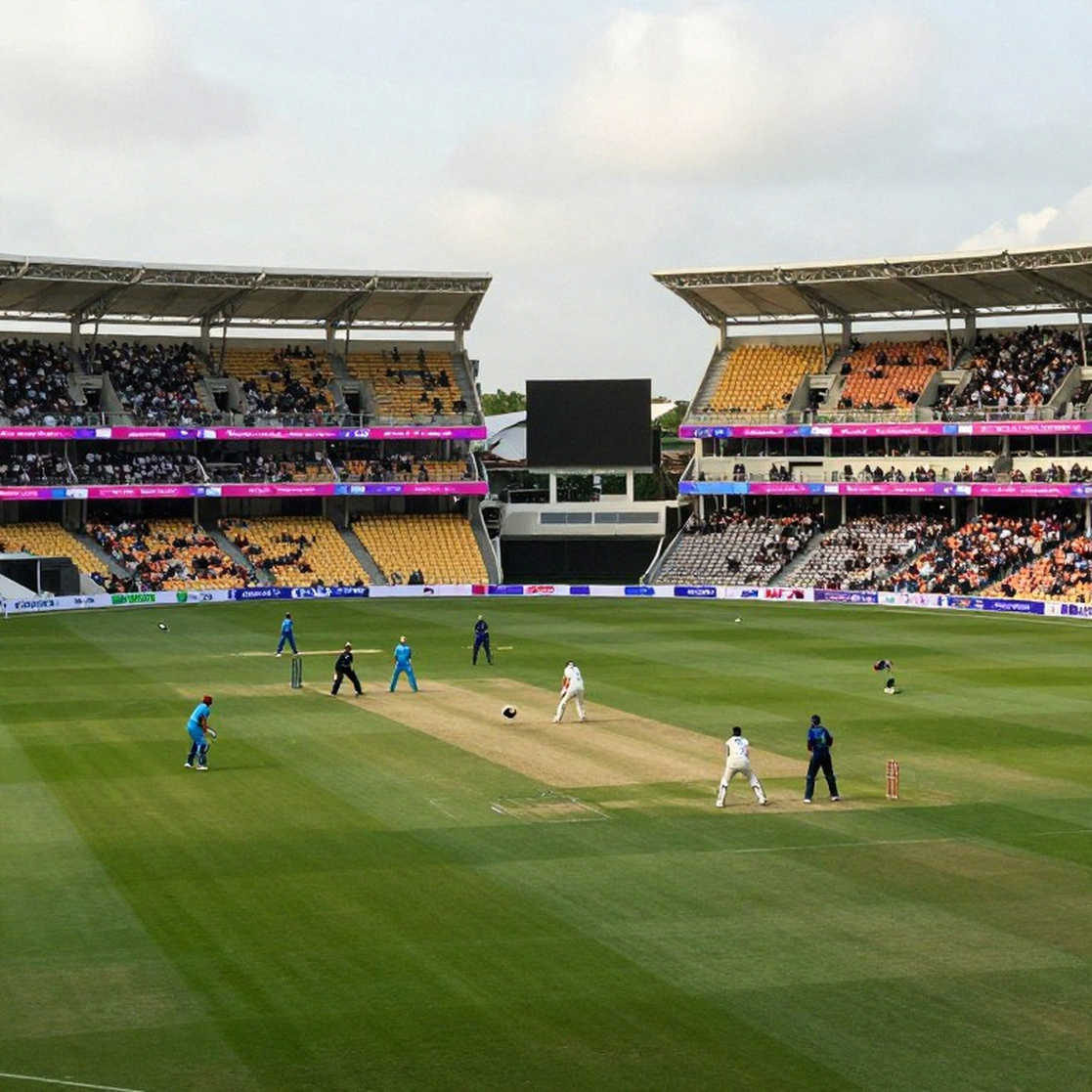
Amid all this pressure, the fight for Test cricket is the most delicate. Test cricket remains the hardest standard in the game and the truest measure of a player, but preserving it requires financial support, particularly in countries with a limited audience base. Day-night Tests, structures such as the World Test Championship and dedicated funding for smaller boards are deliberate steps, yet the question remains how many countries will keep investing in Test cricket over the next decade.
The state of ODI cricket is even more complicated. The format has neither the depth of Test cricket nor the pace of T20. Over the years it has been treated largely as preparation for the World Cup, and many bilateral ODI series are now played at a time when audiences are focused on leagues. The World Cup remains the biggest commercial event, but outside it the standing of ODI cricket weakens by the day.
Looking at the bigger picture, the most hopeful story is in women's cricket. The Women's Premier League, the WBBL and the women's editions of The Hundred have given players a platform that has raised both their incomes and their profiles. Players who once had no option beyond the national team now have a choice — and that choice will shape the negotiations ahead. Expansion in women's cricket is still moving in a healthy direction, whereas in men's cricket the pace of expansion has already gone beyond what is sustainable.
Another significant shift concerns the 2028 Los Angeles Olympics, where cricket returns after a long absence. This is not only a matter of prestige; it means cricket must now find its place inside a sporting system with its own rules, its own calendar and its own priorities. In the American market, Major League Cricket and the Olympics together are trying to build a new audience segment, though it remains to be seen whether that enthusiasm for the shortest formats will last.
Overall, cricket faces a clear question: is the sport expanding its reach through leagues, or losing its traditional structure to those very leagues? Both can be true at the same time. The good news is that the game now has money, audiences and talent. The bad news is that the balance needed to manage all three has not yet been translated into a shared framework. Until it is, the calendar will stay congested, players will stay tired and the argument over formats will continue — and the heaviest price will be paid by the game that stands quietly behind every headline.

संबंधित खिलाड़ी